Smelly cat breath—medically called halitosis—is often more than a minor nuisance; it’s typically one of the earliest signs of oral health problems in cats. Persistent bad breath usually results from plaque-forming bacteria that, over time, hardens into tartar. If left unchecked, this can lead to inflamed gums (gingivitis) and more advanced periodontal disease. Establishing a consistent cat dental care routine helps neutralize odors, reduce plaque buildup, and protect your cat’s overall health.
At Wellness Pet, we emphasize that overall wellbeing begins with a healthy mouth. Below are five practical, vet-friendly habits to help fix smelly cat breath, support dental health, and keep your feline companion comfortable and confident.
1. Brush for “Purr-fect” Results
Brushing is the gold standard for preventing plaque before it mineralizes into tartar. Just as you brush your own teeth, regular brushing for your cat is the most effective way to maintain oral hygiene.
- The approach: Use a toothbrush designed for cats and an enzymatic toothpaste made for pets. Never use human toothpaste—ingredients like fluoride can be toxic to cats.
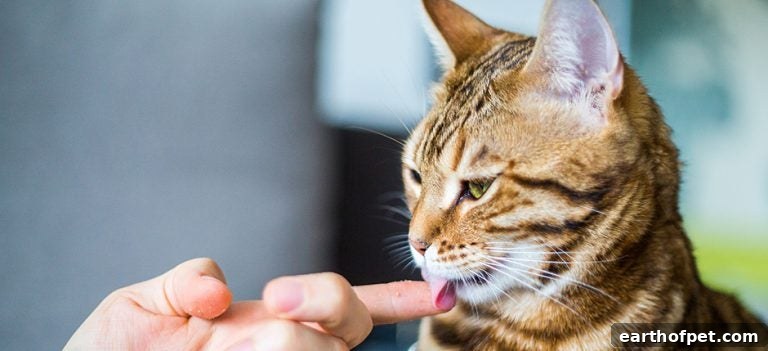
- How to start: Introduce brushing gradually. Let your cat taste a poultry-flavored enzymatic paste from your finger to build a positive association. Once comfortable, gently move to a soft cat toothbrush and short, calm sessions. Aim for several times per week if daily isn’t realistic.
2. Upgrade Your Treat Game with Dental Chews
If brushing is challenging, dental treats provide an effective supplementary tool. Look for crunchy, porous treats formulated to reduce plaque and tartar through mechanical abrasion as your cat chews. These treats often target breath, plaque, tartar, and gum support while delivering balanced nutrition for adult cats. Used alongside brushing, dental chews can significantly reduce surface debris and support fresher breath.
3. Prioritize Crunchy Kibble and Targeted Nutrition
Diet plays an important role in oral health. While wet food offers hydration benefits, including a high-quality dry food can provide mechanical cleaning benefits due to the abrasive action of chewing crunchy kibble. Choose formulas that emphasize quality protein and avoid unnecessary fillers; good nutrition supports immune function, oral tissues, and overall wellness, all of which contribute to healthier breath.
4. Monitor for Signs of Dental Distress
Bad breath is often accompanied by other indicators that your cat may need dental attention. Regularly check for:
- Red, swollen, or receding gums.
- Excessive drooling, pawing at the mouth, or behavioral changes around food.
- Reluctance to eat, dropping food, or chewing on one side.
- Yellow or brown hard deposits (tartar) on the teeth.
Early detection of these signs allows your veterinarian to intervene before infections progress and teeth become painful or unsalvageable.
5. Schedule Annual Veterinary Dental Exams
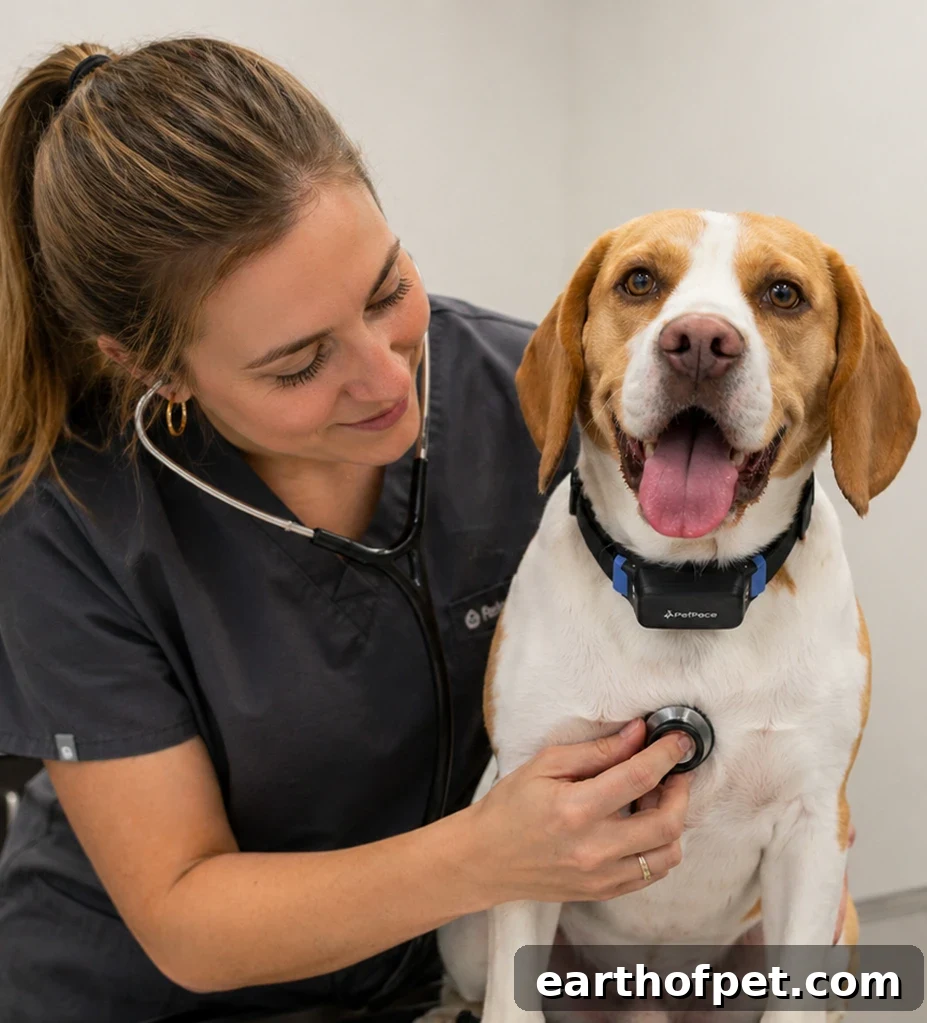
Even with consistent at-home care, professional dental checkups are essential. Cats often hide pain and discomfort, so an annual veterinary dental exam is critical. A professional cleaning performed under anesthesia allows the veterinarian to remove tartar both above and below the gumline and to evaluate for cavities, loose teeth, or oral disease in locations you cannot see. These exams also enable early treatment plans tailored to your cat’s needs.
Feed Well, Be Well
Tackling smelly cat breath is about more than freshening the scent—it’s about promoting long-term comfort and quality of life. A combined approach of regular brushing, appropriate dental chews, quality nutrition, home monitoring, and routine veterinary care provides the best protection against halitosis and periodontal disease. With consistent attention, you can preserve healthy teeth and gums and enjoy more close moments with your cat.
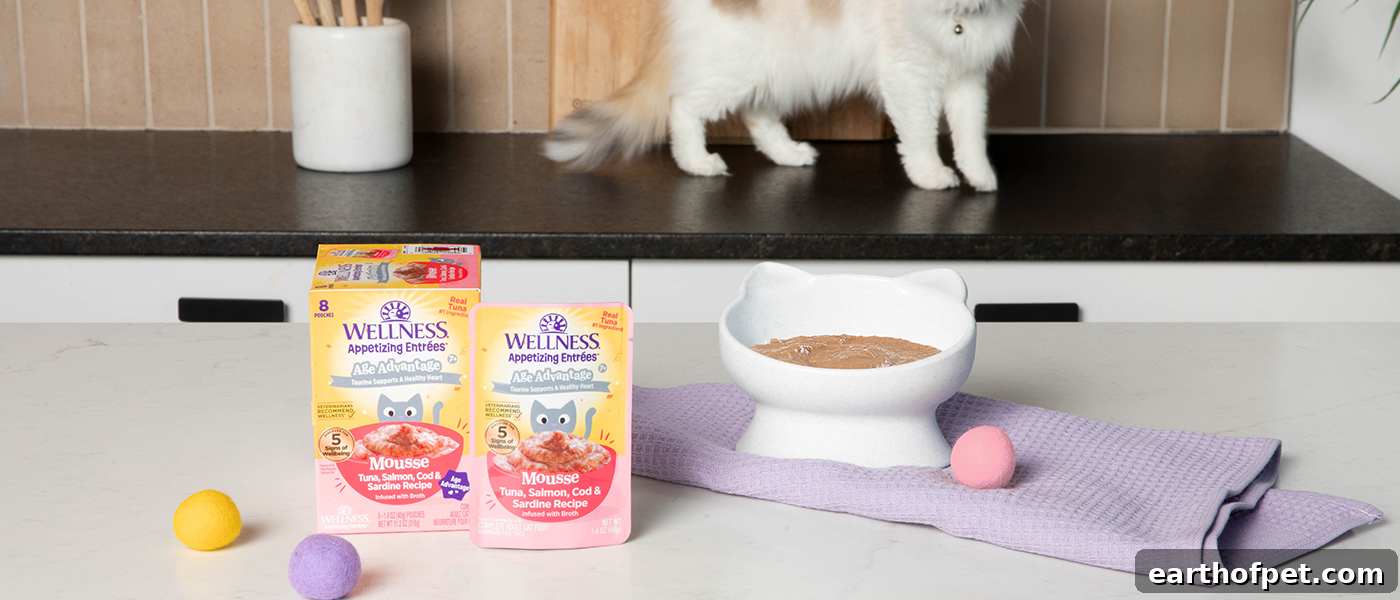
Want to learn more about supporting your cat’s health? Browse our full range of cat food and treats designed for total body wellbeing.