How to care for older cats
Many cat owners are surprised to learn that cats are often considered “senior” around the age of seven. While seven is commonly used as a benchmark, many cats live well into their teens and even their early twenties. It’s typically in the later years that cats become fragile and need more help with basic care. This guide explains how to recognize when a cat is entering its senior years and outlines practical, compassionate steps to care for an older cat so they stay comfortable, healthy, and engaged.
Keep Your Senior Cat Hydrated
As cats age, they are more prone to dehydration. Older cats may not move around as much or reach high surfaces to drink, and they may not drink enough water throughout the day. Make water easy to access by placing several shallow bowls in quiet, familiar spots and refreshing them frequently. Many senior cats respond well to running water, so a cat water fountain can encourage drinking. Incorporating wet food into the diet is another effective way to boost fluid intake since canned pâté and other moist foods contain a high percentage of water. Monitor water consumption and report any noticeable decreases to your veterinarian, since prolonged low intake can worsen other age-related conditions such as kidney issues and constipation.
Monitor Your Cat’s Aging Teeth
Dental health is a key part of senior cat care. Plaque and tartar build-up can lead to gum disease, tooth infections, and pain that makes eating difficult. Regularly check your cat’s mouth for bad breath, swollen or bleeding gums, loose or missing teeth, and reluctance to chew. If possible, maintain a dental care routine that includes toothbrushes and toothpaste designed for cats, and schedule professional dental cleanings when advised by your veterinarian. Good oral care helps preserve teeth and comfort, supports proper nutrition, and reduces the risk of infections that can affect other organs.
Engage with Your Older Cat
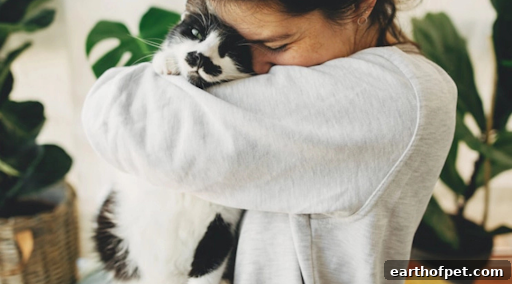
Senior cats still benefit from mental and gentle physical stimulation. Regular, low-impact play keeps their minds sharp and their bodies limber. Short play sessions using wand toys, soft balls, or feather toys can be adapted to your cat’s current mobility and energy level. Puzzle feeders and treat-dispensing toys provide mental enrichment and encourage slower, more deliberate eating. Avoid activities that encourage high jumping or rapid, strenuous movement if your cat has joint pain or balance issues. Consistent, affectionate interaction—petting, brushing, and quiet companionship—helps reduce stress and strengthens the bond you share.
Monitor Your Senior Cat’s Wellness
Pay close attention to changes in grooming, weight, coat quality, mobility, and litter box habits. Older cats may groom less and develop matted fur, hair thinning, or changes in coat texture; they may also over-groom certain areas due to discomfort. Weight loss or weight gain, changes in appetite, increased thirst, changes in urination or defecation, and altered sleep patterns all merit a vet visit. Check paws and claws regularly—overgrown or ingrown claws can be painful and may require trimming or veterinary care. Consider switching to softer, nutrient-dense foods formulated for senior cats or foods that support joint health; many formulations include ingredients that help maintain muscle and joint function. If you use branded products you trust, follow your veterinarian’s guidance on which diet best suits your cat’s needs.
As mobility changes, your cat may stop jumping onto high surfaces or have difficulty balancing. You can help by providing ramps or steps to favorite sleeping spots, placing litter boxes on easier-to-reach levels, and offering comfortable bedding with supportive cushioning. Regular grooming—brushing, gentle baths when necessary, nail trims, and oral care—will often need to be done by you or with professional help as independence decreases.
Keep Up With Vet Check Ups
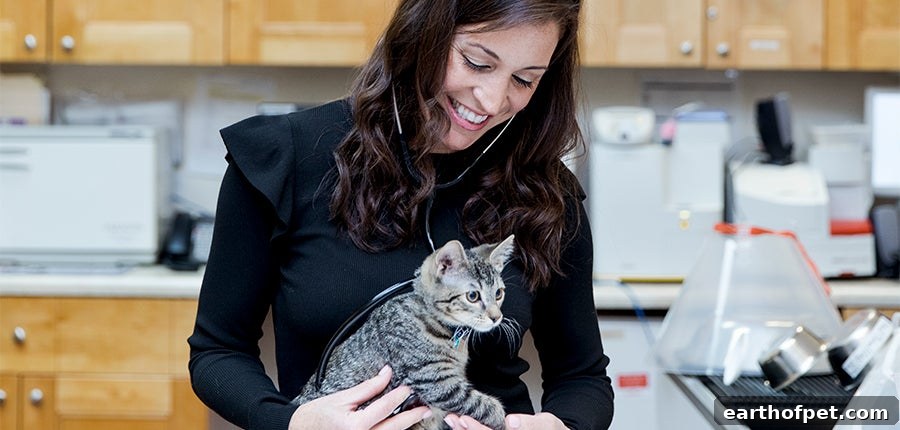
Senior cats typically need more frequent veterinary attention. Many veterinarians recommend wellness exams twice a year for older cats so changes in health can be detected and managed early. Regular exams often include blood work, dental checks, weight monitoring, and discussions about diet, mobility, and behavior. Your veterinarian can recommend diagnostic tests and treatments tailored to your cat’s age and condition and help you decide on a preventative health schedule.
Caring for an older cat takes patience, time, and a bit of adaptation, but the rewards are significant. You may find yourself helping with grooming, carrying your cat to the litter box, assisting with feeding, or administering medications. These tasks are expressions of care and commitment that improve your cat’s comfort and quality of life.
Above all, compassion and consistency are the foundation of senior cat care. Maintaining regular routines, adapting the home environment, providing balanced nutrition appropriate for their stage of life, and staying in close contact with your veterinarian will help your older cat remain comfortable and content. With attentive care, many senior cats continue to enjoy happy, relaxed lives well into their later years.