School is back in session, and that sudden quiet in the mornings can be confusing for a dog that spent the summer surrounded by family. The lively, unpredictable days give way to a strict schedule, and many dogs respond to that change with stress, anxiety, or shifts in behavior and health that owners may not immediately notice.
Dogs do best with consistent routines. When mealtimes, walks, play sessions and companionship all change at once, it can affect more than mood—changes show up in sleep, activity level, respiration, heart rate and general energy. Being aware of those signs and taking gradual steps to resettle your pet will make the transition smoother for everyone.
Why Routine Changes Hit Dogs Hard
During summer, dogs often enjoy more attention, later or irregular feeding times, and extra outings. Returning to school or work introduces long periods of alone time, earlier departures and a predictable schedule—conditions that can be stressful if introduced abruptly. That stress may present as barking, destructive behavior, restlessness, increased panting, reduced appetite, or disrupted sleep.
Watch for subtle signals: pacing, repeated circling, clinginess, or withdrawal can all indicate anxiety. Physical indicators—changes in breathing rate, altered sleep patterns, or shifts in activity—are equally important and can be monitored to gauge how well your dog is adapting.
5 Ways to Ease the Back-to-School Transition
1. Gradually Adjust Walk Times
Start moving morning and evening walks 10–15 minutes earlier every few days, ideally beginning one to two weeks before the schedule change. A gradual shift gives your dog’s internal clock time to adapt without the stress of a sudden schedule change. If you rely on exercise to burn off energy before a long day alone, keeping walks engaging and consistent is especially important.
2. Create Consistent Feeding Schedules
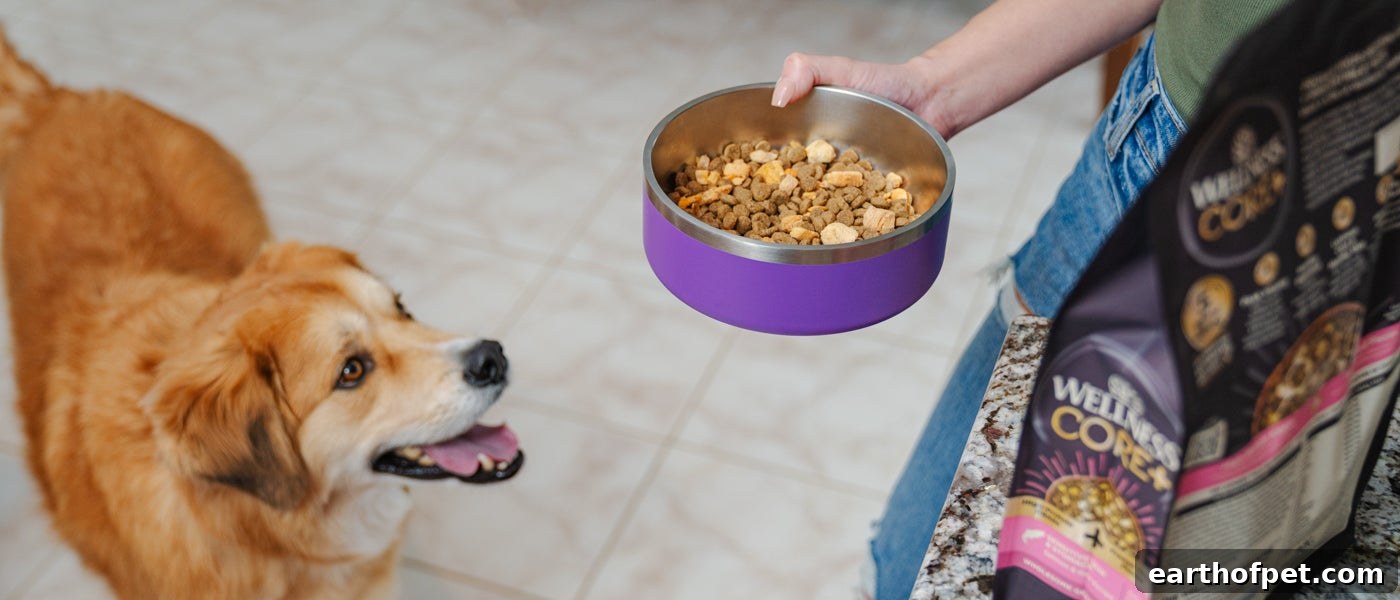
Serve meals at the same times every day, including weekends. Predictable feeding times help stabilize digestion and support an internal routine, which reduces anxiety. If your household previously fed on a flexible summer schedule, move toward timed meals a week or two in advance so your dog can anticipate food and feel secure in the new routine.
3. Provide Mental Stimulation for Alone Time
Mental enrichment eases boredom and mitigates anxiety when your dog is home alone. Offer puzzle feeders, treat-dispensing toys, long-lasting chews, or frozen stuffed Kongs to occupy them during idle periods. Rotate toys and introduce new challenges gradually so your dog stays interested and stimulated without becoming frustrated.
4. Practice Short Departures
Don’t shift from constant presence to eight-hour absences overnight. Begin with short, 10–30 minute departures and slowly extend the time away. Use a calm routine for leaving and returning—avoid lengthy goodbyes and overexcited greetings—to teach your dog that departures are temporary and safe. Monitor for signs of separation stress and adjust the pace accordingly.
5. Monitor Stress Signals with Health Tracking
Tracking objective health indicators can clarify how your dog is coping. Devices and collars that measure temperature, pulse, respiration, activity and heart rate variability (HRV) give you actionable data on physical and emotional responses to routine changes. Use these insights to tailor exercise, enrichment, and departures so your dog’s stress levels remain manageable.
How PetPace Helps During Transitions
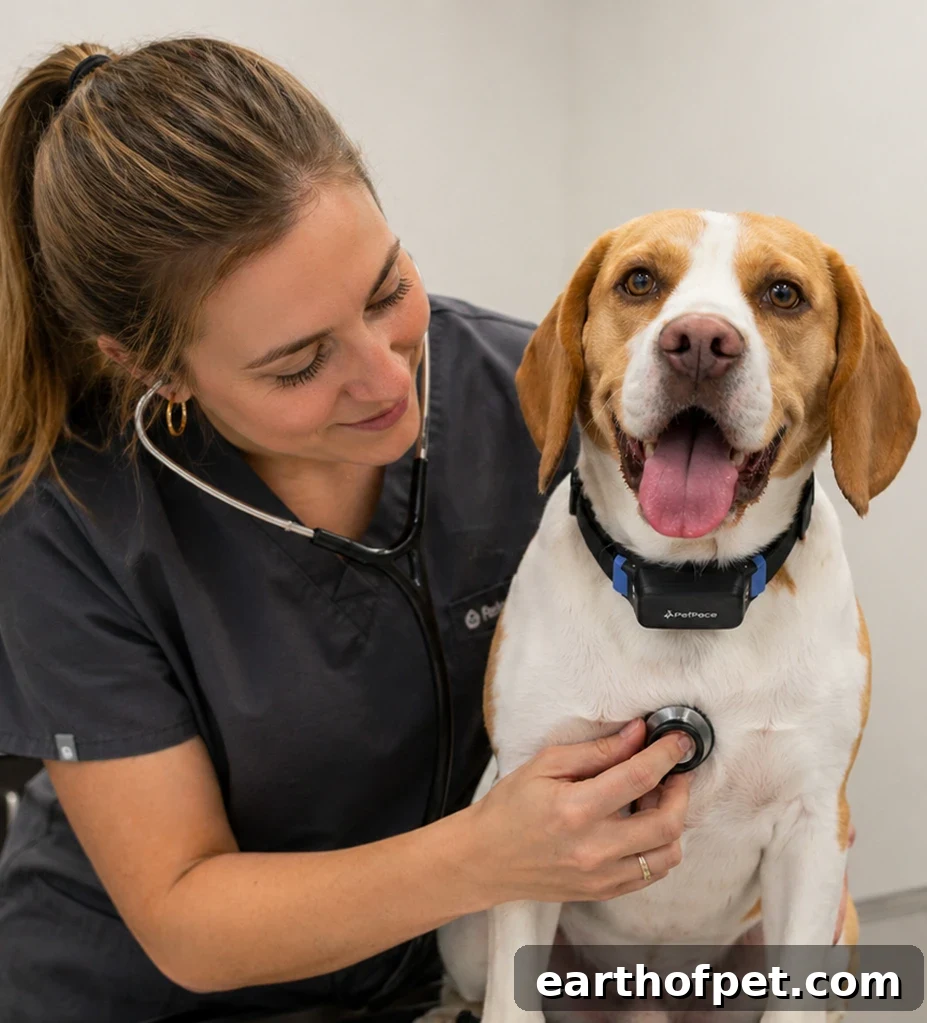
The PetPace smart collar provides continuous, real-time monitoring of a pet’s vital signs and activity, which can help owners spot stress-related changes early. While behavioral observation is essential, objective data adds another layer of understanding and can guide practical adjustments during a transition.
Early detection: Consistent monitoring highlights changes in vital signs that may precede obvious behavioral problems, enabling earlier attention and intervention.
Stress monitoring: Tracking heart rate variability (HRV) and other indicators helps you see how emotionally and physically affected your dog is by schedule changes.
Activity insights: Data on restlessness or lethargy during alone time can inform whether you need to add more mental stimulation or adjust exercise routines.
Sleep pattern analysis: Sleep disruption often accompanies routine shifts; monitoring sleep helps you detect changes that may require more rest or a calmer environment.
Peace of mind: Continuous monitoring between veterinary visits gives owners reassurance and useful information to share with their veterinarian if concerns arise.
Most dogs settle into new routines over two to four weeks when owners introduce changes gradually and consistently. Combining thoughtful preparation—adjusting walk and meal times ahead of schedule, providing enrichment, and practicing departures—with ongoing health monitoring can help your dog adapt faster and with less stress.
If your dog shows severe or persistent signs of anxiety or health changes, consult your veterinarian for personalized advice. With patience, structure and the right tools, you can make the back-to-school transition a calm, healthy experience for your pet and your family.