At Wellness Pet, we honor senior pets as cherished members of the family. Caring for an aging dog or cat brings a special kind of companionship—one full of calm moments, deeper bonds, and a gentle appreciation for the time you share. As pets enter their golden years, their needs change: their diet, activity level, home setup, and medical care all deserve focused attention to help them remain comfortable and healthy.
Whether you’ve recently welcomed a senior companion from a shelter or are helping a longtime friend age gracefully, this guide outlines practical, veterinarian-aligned strategies for senior pet wellness. It covers common signs of aging, key areas to address, and actionable tips to support better mobility, cognition, and quality of life.
Common Signs of Aging in Pets: What to Expect
Recognizing age-related changes early makes it easier to intervene with effective care. If you observe any of the symptoms below, schedule a veterinary evaluation to develop a tailored senior wellness plan.
Physical Signs of Aging
- Reduced mobility and stiffness: Older pets frequently hesitate to jump, climb, or move as quickly as before. Joint stiffness and arthritis are typical contributors and can be managed with proper nutrition, supplements, and environmental changes.
- Vision and hearing changes: Mild cloudiness in the eyes (often nuclear sclerosis) or slower responses to sound are common. These changes can affect confidence and behavior but aren’t always painful.
- Lumps and skin changes: Fatty tumors (lipomas), skin tags, and other growths become more common. Most are benign, but any new or rapidly changing mass should be checked by a veterinarian.
Behavioral and Cognitive Changes
- Cognitive dysfunction: Sometimes called “doggie dementia,” signs include aimless wandering, staring into space, confusion, and altered sleep-wake cycles. Early detection helps manage progression with environmental adjustments and therapeutic strategies.
- Increased anxiety: Sensory decline or discomfort can make older pets more sensitive to loud noises, changes in routine, or separation. Calming routines and gentle reassurance help reduce stress.
- Weight changes: Metabolism often slows with age, which can cause weight gain; conversely, dental problems or underlying medical conditions can result in weight loss. Regular monitoring of body condition is essential.
Five Essential Pillars of Senior Pet Care
To support longevity and comfort, focus on these five pillars: nutrition, veterinary monitoring, environment, mental stimulation, and dental care. Together they form a practical framework for everyday senior pet wellness.
1. Optimize Nutrition for Aging Pets
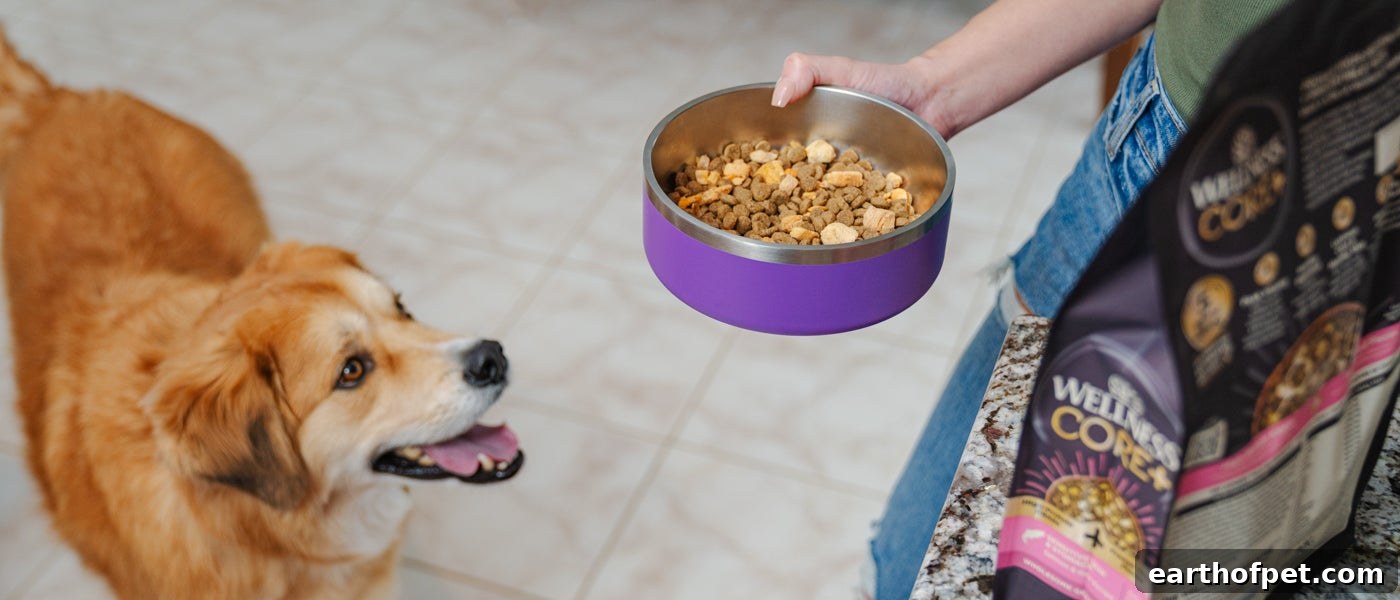
Senior dogs and cats typically need fewer calories but higher-quality protein to preserve lean muscle. Look for diets formulated for older pets that include joint-supporting nutrients and elements that support brain and digestive health.
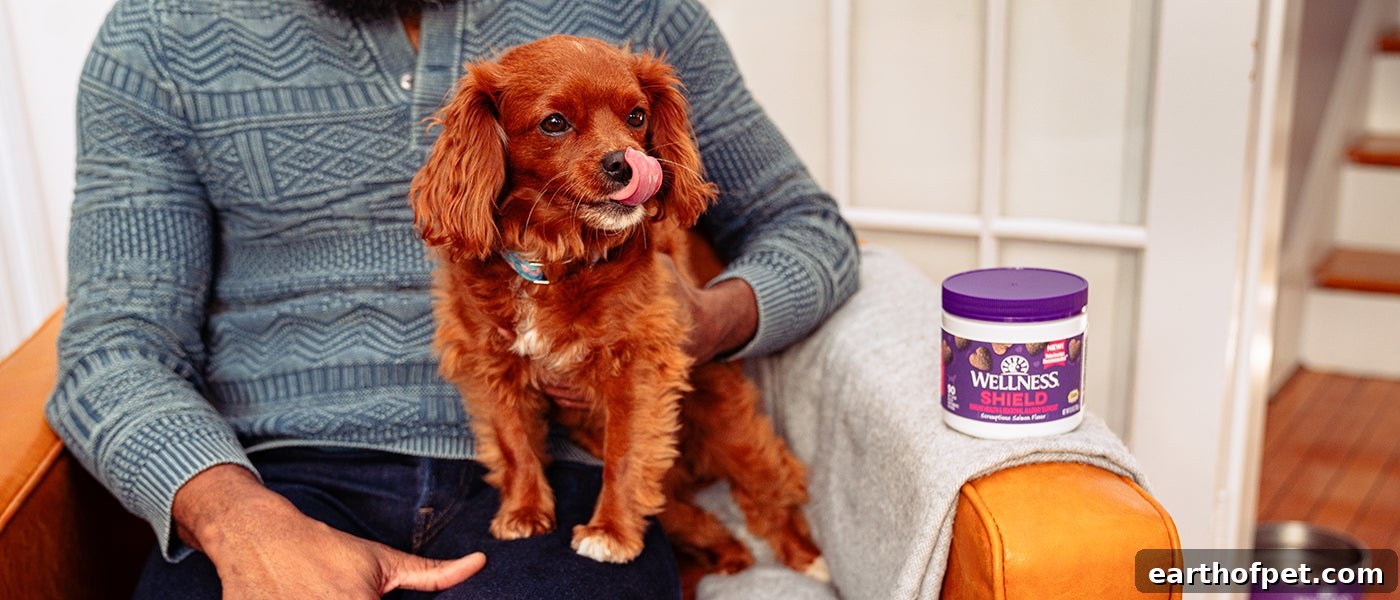
- Glucosamine and chondroitin: Help support joint comfort and mobility.
- Omega-3 fatty acids: Support healthy inflammation response and cognitive health.
- Adequate fiber: Helps maintain healthy digestion as intestinal function slows.
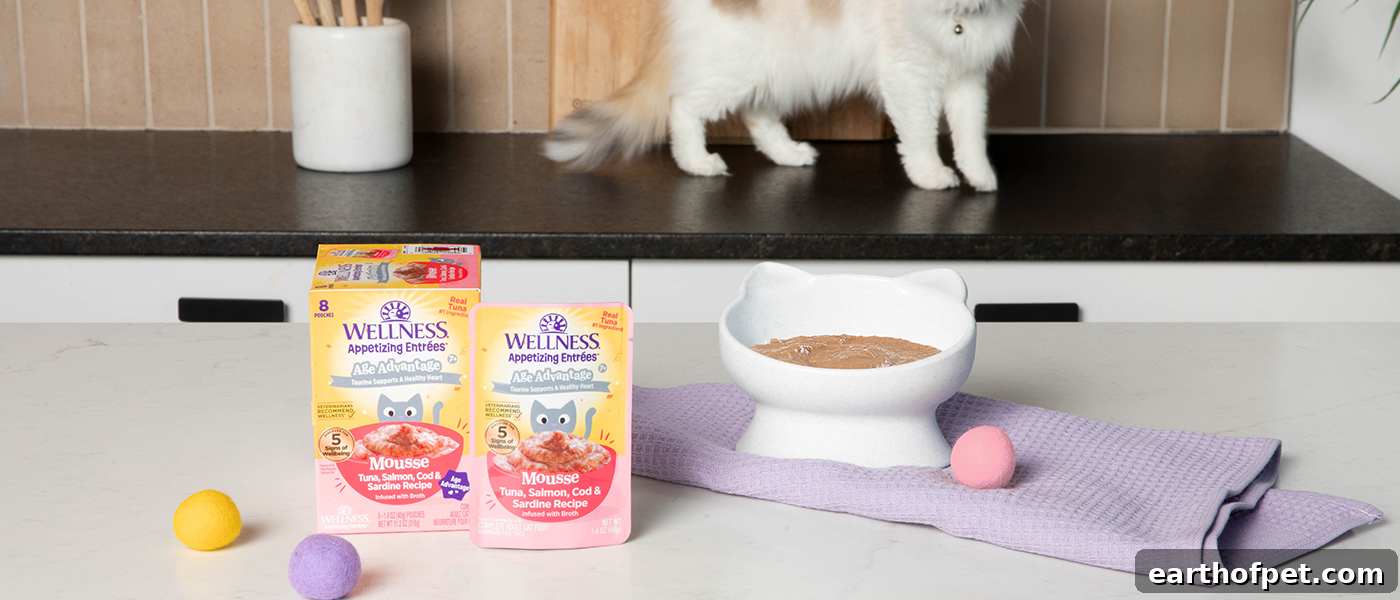
Practical tip: Adding a nutrient-rich topper or a small hydrating “bowl booster” can make meals more appealing and increase hydration without switching the entire diet abruptly.
2. Increase Veterinary Checkups and Diagnostics
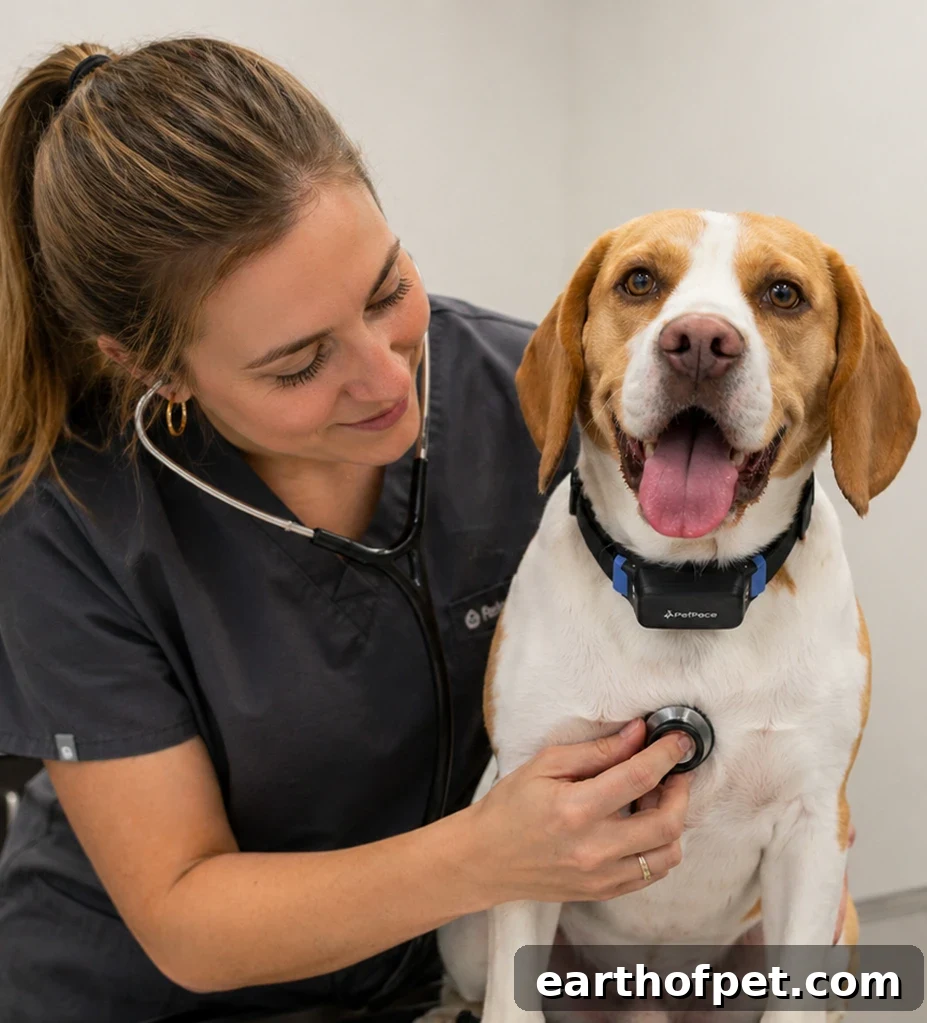
For senior pets, biannual wellness visits are often recommended. Because pets age faster than humans, problems can progress quickly, and semiannual exams with routine bloodwork, urinalysis, and dental assessments help identify issues like kidney disease, thyroid imbalances, or cardiac changes early when they’re most treatable.
3. Adapt the Home for Comfort and Safety
Small environmental changes can significantly improve mobility and reduce pain:
- Orthopedic beds: Memory foam beds provide pressure relief for sore joints.
- Non-slip surfaces: Runners or traction mats on slippery floors prevent falls and build confidence.
- Raised feeders: Elevated bowls reduce neck strain for larger or arthritic dogs.
- Easy access: Small ramps or steps to favorite spots can keep an older pet independent and comfortable.
4. Keep the Mind Active
Mental stimulation supports cognitive health and can slow behavioral decline. Gentle games, puzzle feeders, scent-based activities, and short training sessions using positive reinforcement provide enrichment without overexertion. Rotate toys and introduce new, low-stress challenges to keep engagement high.
5. Prioritize Dental Health
Oral disease affects overall health and can contribute to systemic infections. Regular tooth brushing, appropriate dental chews, and professional cleanings when recommended by your veterinarian help prevent pain and complications. If your senior pet develops dental sensitivity, switch to softer dental treats or foods designed for older mouths.
Why Adopting a Senior Pet Is Rewarding
Senior pets bring calm companionship, proven personality, and a readiness to settle into loving homes. If you’re considering adoption, here are reasons to open your home to a senior companion:
- Predictable temperament and needs: Their behavior, size, and exercise needs are established, so you know what to expect.
- Usually well-trained: Many seniors are house-trained and familiar with basic commands, easing the transition.
- Lower energy, deeper connection: Senior pets often prefer short walks and long cuddles, making them ideal for calmer households.
- Meaningful impact: Giving a senior pet a second chance provides emotional rewards for both pet and caregiver and fills a real need in shelters.
Ready to Support Your Senior Pet?
Your senior pet has given you years of companionship—now is the time to return that care with thoughtful, specialized support. Regular veterinary care, appropriate nutrition, environmental adaptations, mental enrichment, and dental attention will help your pet enjoy a comfortable, fulfilling senior life.
Join the Wellness community to receive ongoing guidance on senior pet nutrition, behavior, and aging with dignity.