Helping Dogs Cope with Fireworks: Supplements and Strategies for the 4th of July
The 4th of July brings celebrations, family gatherings, and fireworks displays. While fireworks are enjoyable for many people, they can be terrifying for dogs. Because dogs hear at much higher frequencies than humans, loud booms and sudden bursts of sound can trigger intense stress and fear. Preparing ahead and using a combination of behavioral strategies and appropriate supplements can make a major difference in your dog’s comfort and safety during fireworks season.
Recognizing Signs of Firework-Related Anxiety
Not all dogs respond the same way to fireworks. Common signs of stress and anxiety include:
- Excessive barking or howling
- Destructive chewing, digging, or trying to escape
- Panting, trembling, or shaking
- Pacing, restlessness, or hiding
- Avoidance of eye contact and clinginess
- Repetitive behaviors such as excessive licking or chewing
If your dog displays persistent or severe symptoms, or shows signs of aggression or self-harm, contact your veterinarian or a certified canine behaviorist. They can rule out medical causes and recommend a tailored treatment plan.
Calmative Supplements and Behavior Modification
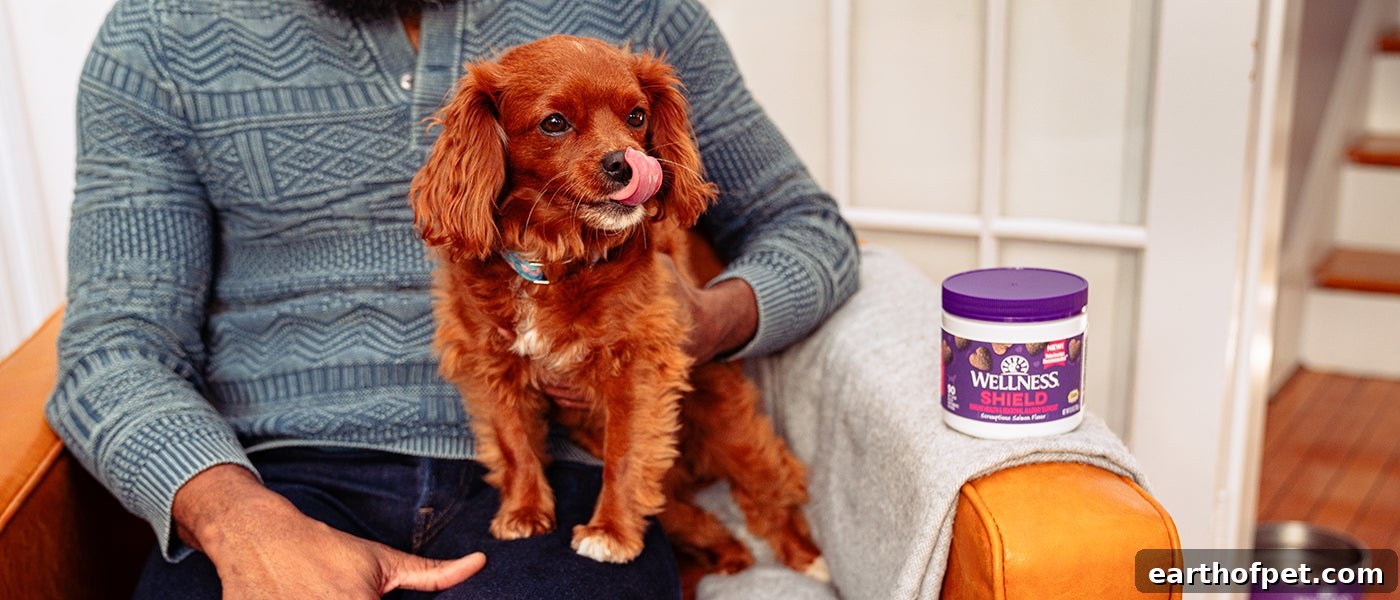
For mild to moderate anxiety, calmative supplements used alongside behavior modification techniques can be effective. These supplements often contain natural, scientifically studied ingredients designed to promote relaxation without the stronger effects of prescription medications. One example commonly used by pet owners is Wellness Calm Support Chews, which blend several calming ingredients intended for canine use. Always use products formulated specifically for dogs and follow dosing directions.
What to Look For in Canine Supplements
When selecting a supplement, consider quality and vet endorsement. Look for products that:
- Have third-party verification: A reputable quality seal indicates the product has been audited and that the manufacturer follows strict sourcing and production standards.
- Are veterinarian recommended: Vet-reviewed formulas provide added confidence that the ingredients and dosages are appropriate for dogs.
Proven Ingredients That Support Calmness
Several ingredients have demonstrated safety or efficacy for reducing anxiety in dogs. Common examples include:
- L-theanine: An amino acid that can promote relaxation by supporting neurotransmitters like GABA, serotonin, and dopamine.
- Tryptophan: A precursor to serotonin that has been shown in studies to help reduce anxiety-related behaviors.
- GABA (Gamma-Aminobutyric Acid): A key inhibitory neurotransmitter that helps slow down excessive brain activity and induce calm.
- Chamomile: A mild herb known for muscle-relaxing and calming effects in both humans and animals.
- Ginger root: Helpful for soothing an upset stomach, which can occur with stress.
- Valerian root: An herb traditionally used to promote calm; its exact mechanism in dogs is not fully understood.
- Magnesium (e.g., magnesium citrate): A mineral that supports muscle relaxation.
- Probiotics: Emerging research links gut microbiome health to behavior; a balanced microbiome may reduce stress-related behaviors in some dogs.
Timing and Usage Recommendations
Herbal and nutraceutical supplements usually do not act instantly. For predictable events like fireworks, begin supplementation well before the event—daily dosing for days or weeks in advance provides the best chance of benefit. For one-off or short-notice events, start supplements at least 30 minutes before the stressful situation, following the product’s instructions. Always consult your veterinarian before starting any new supplement, especially if your dog is on medications or has health conditions that could interact with ingredients.
Other Practical Strategies to Reduce Firework Stress
Supplements are most effective when combined with environment and behavior-based approaches:
- Create a safe space: Provide a quiet, comfortable area where your dog can retreat—this might be a crate, a familiar room, or a cozy corner with bedding and favorite toys.
- Play soothing sounds: Calm music or white noise can mask fireworks and encourage relaxation.
- Use distraction: Offer interactive toys, long-lasting chews, or food puzzles to keep your dog occupied. Dental chews such as Brushzees can occupy dogs for longer periods and provide a constructive distraction.
- Provide comforting pressure: Compression wraps or anxiety blankets that apply gentle pressure can help some dogs feel more secure, similar to a calming hug.
Final Considerations
Preparing ahead, combining behavioral strategies with quality supplements, and consulting your veterinarian are key steps to protect your dog during fireworks. Each dog is unique—what works for one may not work for another—so observe your pet’s response and adjust the approach as needed. By planning and taking proactive measures, you can greatly reduce your dog’s anxiety and help them stay safe and comfortable during holiday celebrations.
*Note: Hemp is not included in certain supplements because its long-term safety and efficacy in dogs have not yet been definitively established.
References
- Pike AL, Horwitz DF, Lobprise H. An open-label prospective study of L-theanine (Anxitane) in storm-sensitive client-owned dogs. Journal of Veterinary Behavior. 2015;10(4):324-331.
- Dipace V. Tryptophan effect on dog behavior: a review. Dog Behavior. 2015;1(3):23-31.
- Uetake K, et al. Calming effect of orally administered GABA in Shih Tzu dogs. Animal Science Journal. 2012;83(12):796-798.
- Alex A, Srivastava A. Nutraceuticals for calming and stress. In: Nutraceuticals in Veterinary Medicine. 2019:417-425.
- Hattesohl M, et al. Extracts of Valeriana officinalis show anxiolytic and antidepressant effects. Phytomedicine. 2008;15(1-2):2-15.
- Mondo E, et al. Gut microbiome structure and adrenocortical activity in dogs with behavioral disorders. Heliyon. 2020;6(1):e03311.