How a Smart Collar and Frisbee Training Helped an Anxious Border Collie
Tessa is a four-year-old Border Collie living on a sheep farm — an environment that would normally suit a herding breed perfectly. However, Tessa is not typical. As a puppy she experienced emotional trauma during airline travel, and that early stress left her prone to anxiety as an adult. When she becomes overstimulated, she can react aggressively and has even bitten sheep.
Tessa’s owner and trainer, Vikki Dykstra, MA, CBCC-KA, CPDT-KA, decided to address the problem rather than give up on the dog. With more than 50 years of experience working with dogs, Vikki recognized that Tessa’s harmful behavior was reactive: the aggression emerged when Tessa’s arousal level climbed too high. Instead of relying solely on punishment or exclusion, Vikki developed a management and enrichment plan that both protects the livestock and improves Tessa’s quality of life.
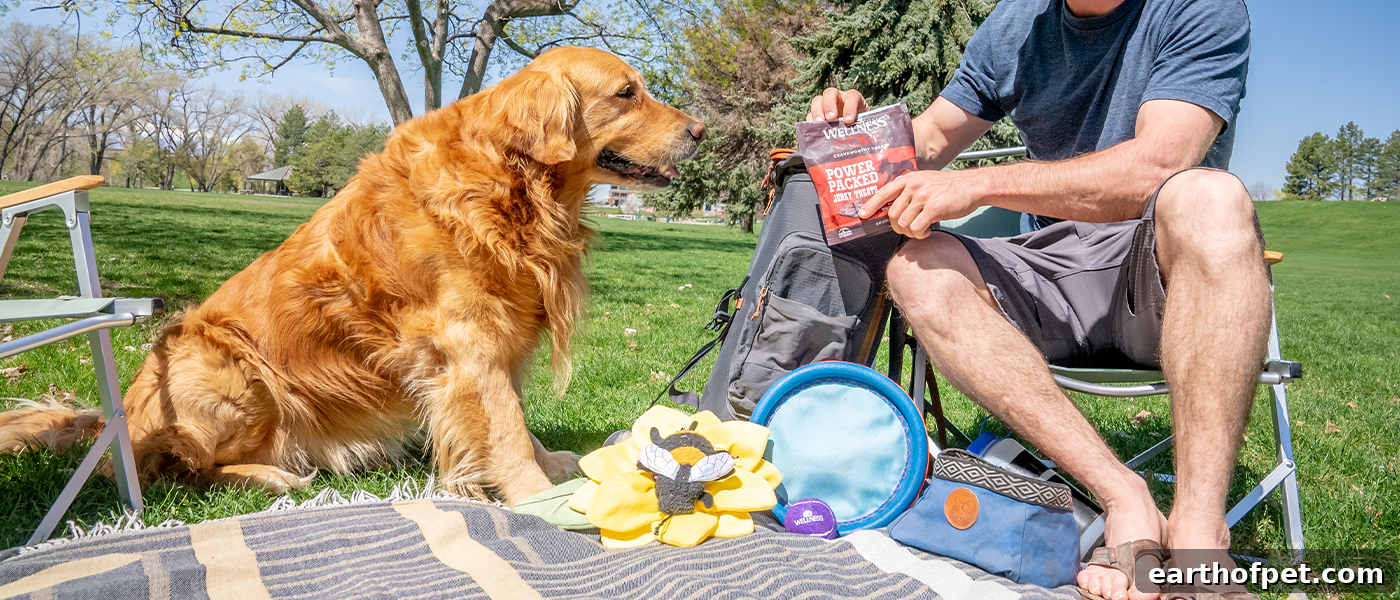
One simple but effective tool in Vikki’s approach is a Frisbee. By redirecting Tessa’s high energy into a focused game of fetch, Vikki gives the dog a safe outlet for intense arousal. Playing Frisbee allows Tessa to expend excess energy and regain composure, reducing the chances she will chase or bite the sheep. This kind of redirection — pairing a known trigger with a desirable alternative behavior — is a commonly used, humane strategy in behavior modification.
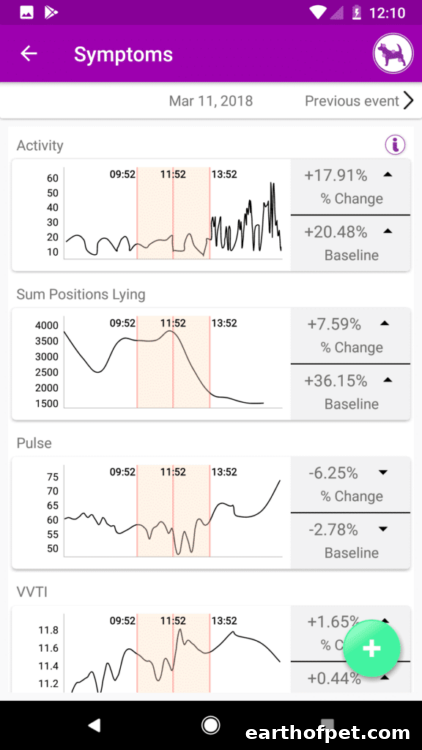
To know when to intervene, Vikki monitors Tessa’s physiological state with a PetPace smart collar. The collar tracks pulse rate in real time and sends alerts through the PetPace app when Tessa’s heart rate rises beyond her normal range. Those elevated pulse readings signal moments when Tessa is becoming overexcited and therefore more likely to react aggressively.
When the app notifies her, Vikki steps in immediately and redirects Tessa to play with the Frisbee. Once Tessa’s pulse returns to a calmer zone, Vikki allows supervised work with the sheep again. This cycle of monitoring, timely intervention, and reward-based redirection helps keep both the animals and humans on the farm safe while giving Tessa constructive outlets for her energy.
“The PetPace collar really improved the quality of life for Tessa. I can now take her out to pasture without a muzzle and not worry about the sheep,” Vikki said. “This is a great tool for trainers and pet owners alike.”
Dr. Asaf Dagan, DVM, Diplomate ABVP (Canine and Feline practice) and PetPace’s Chief Veterinarian, emphasized the broader implications: “This case demonstrates yet another possible use of instantaneous, remote pulse monitoring with the PetPace collar. Biometrics provide valuable information in the context of the dog’s activity that, in this case, the owner uses to effectively prevent unwanted situations.”
There are several lessons from Tessa’s case that other owners and trainers can apply. First, identifying whether a dog’s problematic behavior is reactive — triggered by high arousal — allows for targeted management strategies. Second, combining enrichment (like a favorite toy or game) with situational management reduces the likelihood of escalation. Third, objective biometric feedback can supplement careful observation by revealing physiological signs of stress before behavior becomes dangerous.
Using technology such as a smart collar is not a substitute for responsible training and veterinary guidance, but it can enhance a well-designed behavior plan. For dogs with a history of trauma or anxiety, early detection of rising arousal followed by immediate, positive redirection can prevent incidents and build a more confident, resilient animal over time.
Tessa’s progress also highlights the importance of individualized solutions. What worked for her — pulse monitoring combined with a favorite game and expert handling — may need adjustment for another dog with different triggers or sensitivities. Consulting an experienced trainer or behavior specialist helps create a tailored plan that balances safety, enrichment, and long-term behavior change.
In Tessa’s case, the combined approach has restored her access to the pasture, improved her interactions with the flock, and reduced stress for both dog and handler. For working dogs and companion animals alike, careful monitoring, timely intervention, and positive redirection can make a meaningful difference in managing reactive behavior and improving overall welfare.