How We Live in a Tiny House with a Big Dog
For the past three years Koda and I have been moving around the country in search of our next adventure. In that time Koda has lived in four homes across three states, and I—like many millennials—have spent most of my life in apartments. That background meant learning how to live comfortably in small spaces while sharing them with a large, energetic dog. Since moving back to Washington, we’ve been exploring more than ever and have dramatically downsized our belongings and living quarters. Today we live in a tiny house, and while it’s been an adjustment, we’ve figured out practical ways to make tiny home living work for a big dog.
Prioritize Exercise and Outdoor Time
One of the most important lessons we learned is that a large dog needs a reliable outlet for energy. Regular outings to the mountains, beaches, or local trails give Koda room to stretch his legs and burn off energy. When weekends allow, we take longer hikes or beach runs—these trips make tiny home life far more manageable because Koda comes back calmer and more relaxed.
On busy days when long adventures aren’t possible, we still make it a point to get Koda out of the house. Short errands often turn into quick walks or stops at the pet store, which not only break up his day but also provide valuable mental stimulation through new sights and smells. Consistent outdoor time helps prevent restlessness and reduces behaviors tied to boredom.
Create a Dedicated Dog Zone
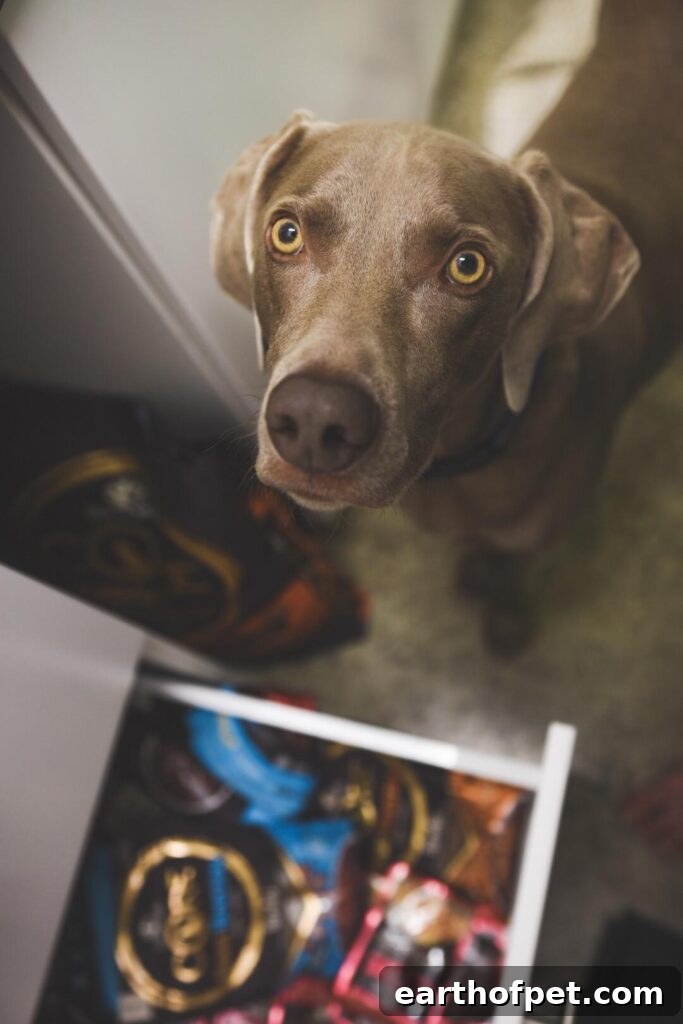
Space is limited in a tiny house, so we carved out a small, defined corner just for Koda. His bed, toys, and a few essentials all live in that spot. Giving him a designated area helps him feel secure and prevents the whole house from feeling cluttered. When a dog has a predictable place to sleep and play, it’s easier for both the dog and owner to maintain order.
Choose durable, easy-to-clean bedding and storage solutions. Baskets or cubbies keep toys organized, and washable blankets make cleanup simple. If your dog sheds or tracks dirt, pick flooring and fabrics that resist stains and can be cleaned quickly.
Mental Stimulation and Indoor Activities
When outdoor time is limited, mental exercise becomes essential. Puzzle feeders, treat-dispensing toys, and short training sessions help keep a big dog engaged without needing much square footage. Rotate toys regularly to keep them interesting, and teach new cues or tricks during quiet periods. Training reinforces good behavior and gives Koda a constructive outlet for his energy.
Smart Layout and Furniture Choices
In tiny homes, every piece of furniture should serve a purpose. Multi-functional furniture—benches with storage, fold-out tables, or raised platforms with space underneath—helps maximize usable area. We avoid bulky pieces and opt for items that allow Koda to move around without feeling cramped. Consider where your dog likes to be and plan seating and storage so you don’t block his preferred pathways.
Routines, Safety, and Comfort
Consistent daily routines—regular walks, feeding, and potty breaks—help keep a large dog calm in a small space. We also pay attention to Koda’s comfort: ensuring he has a quiet spot to rest, shelter from drafts, and a clear view of where we are so he can keep an eye on the household. While Koda can’t climb the ladder to the loft with us, he’s always close enough to feel secure.
Manage noise and neighbor interactions by teaching boundaries and using leash or crate training when appropriate. Small changes, like a mat at the door and a habit of wiping paws, reduce the amount of mess tracked indoors.
Make Tiny Home Living Work for You and Your Dog
Living in a tiny home with a big dog requires flexibility, planning, and a commitment to regular exercise and enrichment. With a little creativity—designated dog zones, smart furnishings, daily routines, and frequent outdoor adventures—you can create a comfortable, happy life for both you and your dog. Tiny home life can be challenging, but it also offers the chance to spend more intentional time with your best friend every day.