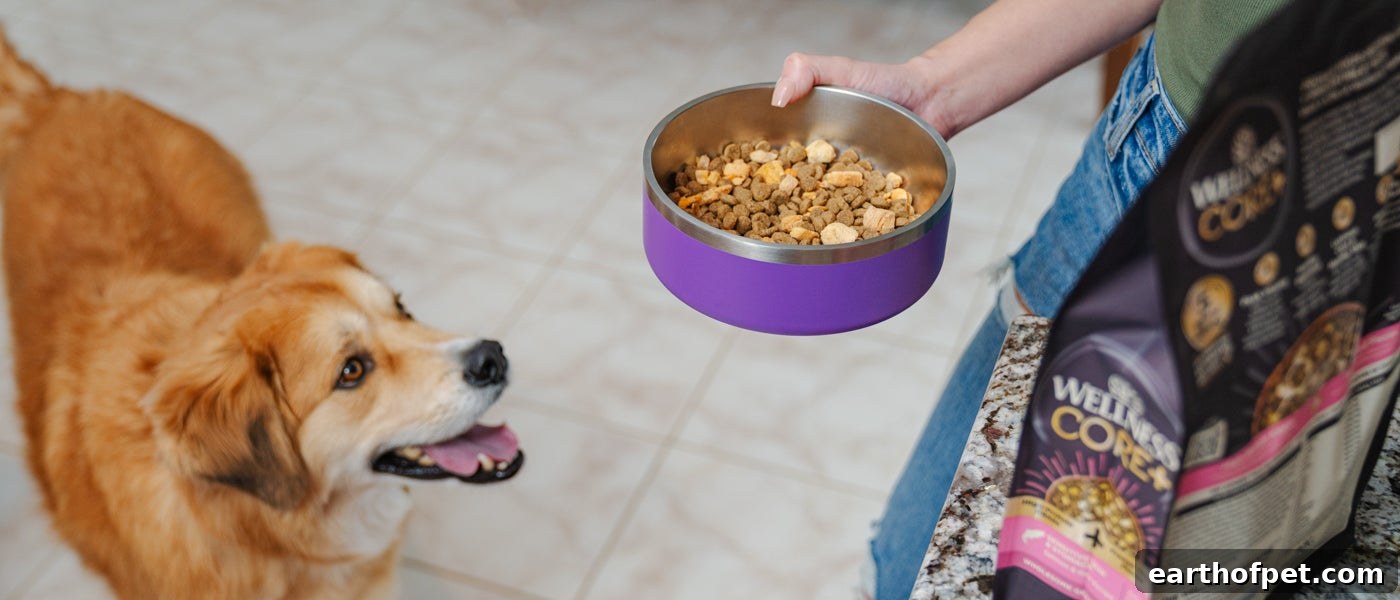
Dry dog food is a practical choice for many pet owners. It’s portable, typically low in odor, and cleaner to handle than wet or raw options. Available in a range of bag sizes and often more economical when purchased in bulk, dry food can be a smart option for households with one or more dogs. That said, a common question is: how long does dry dog food last once opened, and how can you keep it fresh and safe for your pet?
When you treat your dog like family, you want to make sure their meals remain nutritious and palatable for as long as possible. Below is guidance on shelf life, smart storage practices, and what to look for when buying and keeping dry dog food to protect your pet’s health and your investment.
How Long Does Dry Dog Food Last in a Container?
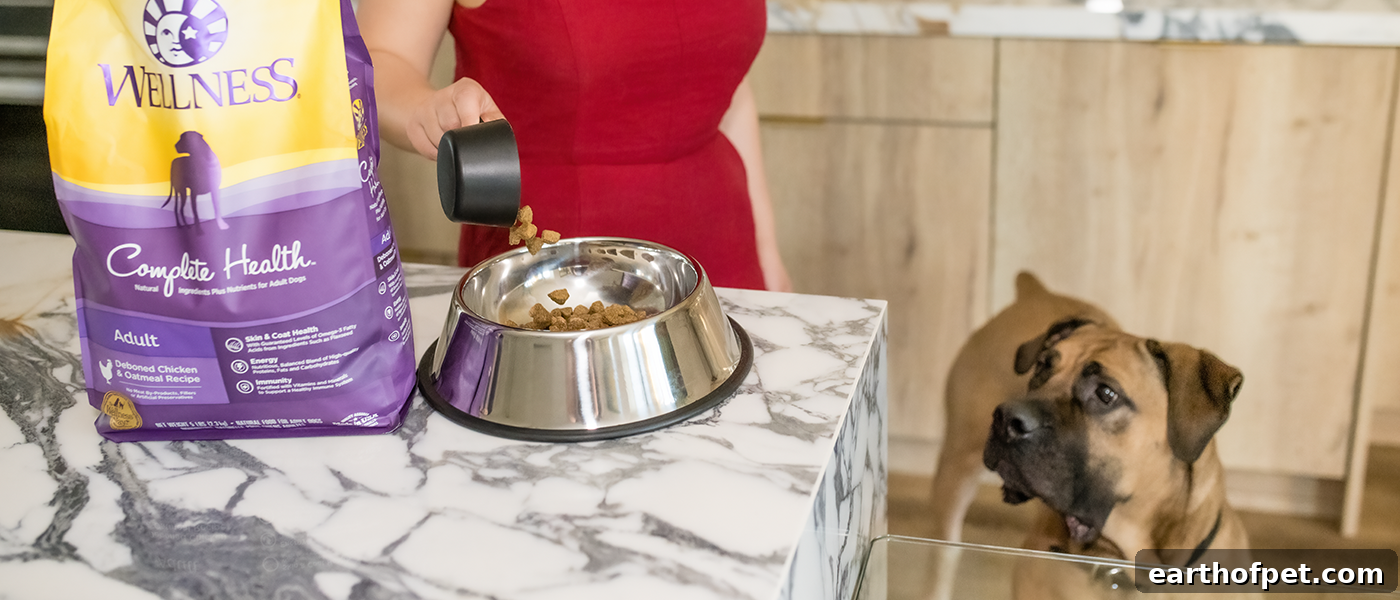
Most dry dog food is packaged in bags and, when sealed and kept dry, that original bag is an appropriate storage vessel. Once opened, though, transferring the kibble into a tightly sealed container helps protect it from air, humidity, pests, and contaminants in the environment. A sealed container also prevents curious pets from helping themselves to extra snacks.
Acceptable storage options range from simple plastic totes with tight lids to purpose-built airtight or vacuum-sealed pet food containers. Another common approach is to leave the kibble in its original bag and place that bag inside a larger container, ensuring both the bag and the container are closed securely. If you keep food in the original bag only, roll or fold the top to remove excess air and use a sturdy clip to create a tight seal after each use.
Manufacturers design dry food to be shelf-stable: most dry dog food has a general shelf life of roughly 12 to 18 months from the time it leaves the manufacturing facility, provided it remains unopened and stored properly. After opening, how long the food stays at peak freshness depends largely on how well you seal and protect it, and on storage conditions. To extend freshness, keep the food in a cool, dry place out of direct sunlight and prevent exposure to humidity and pests.
Labeling the container with the date you opened the bag is a simple habit that helps you rotate stock and use older food first, reducing the chance of waste. If you buy in large bulk quantities, consider storing unopened bags in a cool, dry, pest-free location until you’re ready to open them.
Know Before You Buy
Reputable manufacturers take steps at production to maximize shelf life and protect the quality of dry dog food. Kibble is typically extruded (dried) or baked to remove moisture, and many high-quality recipes include natural preservatives such as rosemary extract and green tea extract to help maintain freshness without relying on synthetic additives. These measures help limit bacterial growth and spoilage so the food remains safe and palatable throughout its stated shelf life.
When shopping for dry food, inspect bags carefully before purchase. Avoid any product with visible rips, holes, or other signs of damage. The retail area should be clean, dry, and free of pests; if you see product stored in damp conditions or on the floor, consider picking a different retailer or a differently stored bag. Keep your receipt in case you need to return a damaged bag or report a problem once you open it at home.
At home, follow similar storage rules for unopened bags: keep them raised off the ground on a shelf or pallet, in a dry area with good air circulation, and away from insects or rodents. Proper storage not only preserves the food’s quality but also protects your pet from potential contamination.
Signs that dry food may have gone bad include off or rancid smells, visible mold, an unusual appearance or texture, or evidence of pests. If you encounter any of these signs, discard the food and clean the storage container thoroughly before refilling. When in doubt, check the product’s “best by” or manufacturing date and contact the manufacturer with questions rather than assuming the food is safe.
With a little care—buying intact bags, storing them in a cool, dry place, sealing opened bags or containers tightly, and practicing first-in, first-out rotation—you can maximize the shelf life of dry dog food and keep your pet’s meals fresh and nutritious.