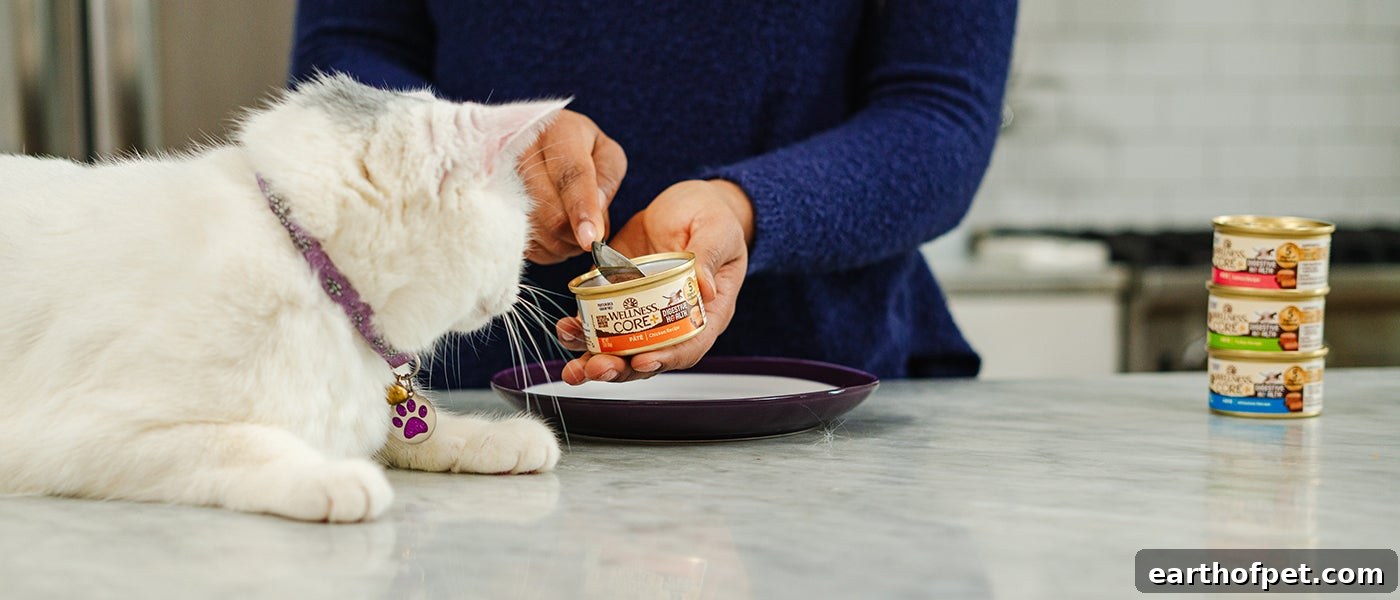
As devoted cat owners, we want our feline friends to eat well and stay healthy. This article explains lean body mass (LBM) in cats and explores how wet cat food can support and preserve LBM—important for mobility, metabolic health, and long-term well-being. We also cover how a high-protein wet diet can help with safe, healthy weight loss in overweight cats and reduce risks linked to obesity, including diabetes.
Lean body mass is the weight of everything in the body except fat: muscles, organs, bones, and other non-fat tissues. Because bone and organ mass are relatively stable, LBM is commonly used to describe the amount of muscle a cat has. Monitoring LBM helps assess overall health, detect muscle loss or gain, and evaluate nutritional status. Muscle can be lost due to aging, inactivity, illness, or low-protein dieting; conversely, supportive nutrition and activity can help maintain or build LBM.
LBM matters because it affects a cat’s strength, balance, activity level, and resilience. Studies indicate that among older cats, small increases in LBM are associated with improved survival rates [1-3]. Age-related muscle loss—often called sarcopenia—can be slowed with higher-protein diets, and research increasingly shows that senior cats often need more dietary protein than previously recommended to preserve muscle and function [2,4].
Weight loss strategies for overweight cats must protect LBM. Traditional low-calorie, high-fiber diets can reduce body weight but often cause a considerable loss of lean mass if protein is not increased. In contrast, calorie-restricted diets higher in protein promote greater fat loss while sparing more muscle, preserving LBM during weight reduction [1]. For this reason, a high-protein, low-calorie plan is generally more effective for healthy feline weight loss.
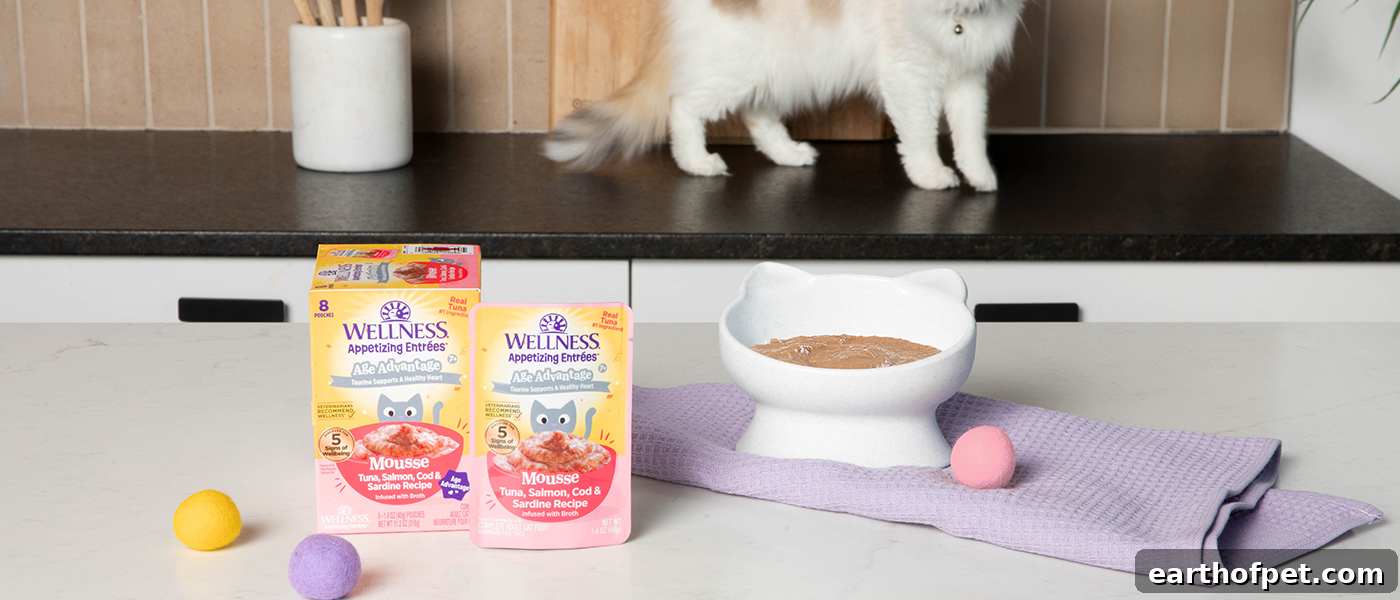
Wet cat food supports these goals in several ways. Compared with many dry kibbles, wet diets are often higher in animal-based protein and lower in carbohydrate. The canning process for wet food makes it easier to include greater proportions of meat, poultry, or fish, and formulations can be made with minimal carbohydrate filler, allowing a larger share of calories to come from protein. Additionally, wet food has lower caloric density and higher moisture content, which promotes satiety—cats feel full with fewer calories—which can help with safe weight loss.
Obesity is a major driver of insulin resistance in cats; felines typically develop type II diabetes characterized by reduced insulin sensitivity, and overweight cats are at notably higher risk. Evidence shows that each kilogram of excess body weight further reduces insulin sensitivity, making glucose control more difficult [5,6]. While insulin therapy is often required initially to manage feline diabetes, weight loss achieved through a high-protein, low-carbohydrate diet can improve insulin sensitivity and, in some cases, lead to remission. Increasing the proportion of LBM relative to fat mass helps lower insulin resistance and may reduce medication needs over time [7].
Because cats are obligate carnivores, they require diets rich in animal proteins. Protein is essential for building and maintaining LBM; cats actually require much higher amounts of dietary protein to preserve lean tissue than what is needed merely to maintain nitrogen balance. Research indicates that while a minimal protein intake might preserve nitrogen balance, substantially higher protein levels are needed to sustain healthy LBM in adult and aging cats [8-11].
If you want to prioritize LBM and metabolic health, consider incorporating wet food into your cat’s diet or choosing high-protein dry formulas designed to support muscle. For cats that prefer kibble, look for dry foods with elevated protein percentages and limited carbohydrates. You can also boost protein by adding a meat-based topper to meals—choose products formulated for cats and follow feeding guidelines. Always check the guaranteed analysis and ingredient list on packaging so you know the protein content and carbohydrate sources.
Individual needs vary by age, activity, body condition, and health status. Before making substantial diet changes—especially for senior cats, overweight animals, or those with medical conditions—consult your veterinarian. A vet can help you design a safe weight-loss plan that preserves LBM, adjust feeding amounts, and monitor progress through body condition scoring, weight checks, and possibly body composition assessment.
In short, preserving lean body mass is crucial for feline mobility, metabolic health, and longevity. Diet is the primary modifiable factor influencing LBM, and choosing higher-protein, lower-carbohydrate options—often found in wet foods or specially formulated dry diets—can help protect muscle during weight loss and aging. Work with your veterinarian to select the right products and create a feeding plan tailored to your cat’s needs.
- Laflamme, D.P., & Hannah, S.S. (2005). Increased dietary protein promotes fat loss and reduces loss of lean body mass during weight loss in cats. International Journal of Applied Research in Veterinary Medicine, 3(2), 62-68.
- Cupp, C. J., Kerr, W.W., Jean-Philippe, C., Patil, A. R., & Perez-Camargo, G. (2008). The role of nutritional interventions in the longevity and maintenance of long-term health in aging cats. International Journal of Applied Research in Veterinary Medicine, 6(2), 69-81.
- Cupp, C. J., & Kerr, W.W. (2010). Effect of diet and body composition on life span in aging cats. Nestlé Purina Companion Animal Nutrition Summit (36-42). Florida, USA.
- Laflamme, D. Effect of diet on loss and preservation of lean body mass in aging dogs and cats. Proceedings of the Companion Animal Nutrition Summit; May 3–5, 2018; Charleston, SC. pp 41–46.
- Verbrugghe, A., et al. (2012). Nutritional modulation of insulin resistance in the true carnivorous cat: a review. Critical Reviews in Food Science and Nutrition, 52(2), 172-182.
- Clark, M., & Hoenig, M. (2021). Feline comorbidities: Pathophysiology and management of the obese diabetic cat. Journal of Feline Medicine and Surgery, 23(7), 639-648.
- Hoenig, M., et al. (2007). Insulin sensitivity, fat distribution, and adipocytokine response to different diets in lean and obese cats before and after weight loss. American Journal of Physiology-Regulatory, Integrative and Comparative Physiology, 292(1), R227-R234.
- Laflamme, D. P. (2013). Protein requirements of aging cats based on preservation of lean body mass. Proceedings of the 13th Annual AAVN Symposium, (17). Washington, USA.
- Laflamme, D. P., & Hannah, S. S. (2013). Discrepancy between use of lean body mass or nitrogen balance to determine protein requirements for adult cats. Journal of Feline Medicine and Surgery, 15(8), 691–697.
- Wannemacher, R.W., & McCoy, J.R. (1966). Determination of optimal dietary protein requirements of young and old dogs. Journal of Nutrition, 88(1), 66-74.
- Perez-Camargo, G., Patil, A. R., & Cupp, C. J. (2004). Body composition changes in aging cats. Compendium on Continuing Education for the Practicing Veterinarian, 26(Suppl 2A), 71.