
Look at any U.S. weather map or step outside and it’s obvious: much of the country is facing unusually cold, freezing temperatures. From icy conditions in Austin to snow in Nashville and storms along the East Coast, winter is here. While you’re layering up, don’t forget to protect your pets. A common misconception is that fur alone keeps dogs warm in winter; in reality, pets can suffer frostbite and other cold-related injuries. Knowing the risks and signs of frostbite helps you keep your companion safe.
What Is Frostbite?
Frostbite is tissue damage caused by exposure to extreme cold. It can be extremely painful and, in severe cases, may require amputation. Frostbite also increases the risk of hypothermia, a dangerous condition that can be life-threatening. Even if your dog stays mostly indoors, daily exercise and bathroom outings expose them to cold conditions. Frostbite can develop quickly — sometimes in less than 30 minutes — so it’s important to be vigilant during cold snaps.

Severe storms such as “bomb cyclones” are obvious reasons to limit outdoor activity, but even moderately cold weather can be hazardous. Certain breeds and life stages are more vulnerable to frostbite, so tailor your precautions to your pet’s needs.

Who’s Most at Risk for Frostbite?
Some breeds, like Siberian Huskies and Samoyeds, were bred for cold climates and generally tolerate low temperatures better than short-coated dogs. However, other dogs are particularly vulnerable. Pets that are most at risk include:
- Small breeds with less body mass
- Puppies, whose thermoregulation is still developing
- Short-haired or thin-coated dogs
- Senior dogs with weaker circulation or underlying health issues
Frostbite happens when extreme cold causes blood vessels in the extremities to constrict, reducing blood flow. This protects the core body temperature but leaves exposed areas — especially ear tips, paw pads, and the tail — vulnerable to freezing and tissue damage.
The Symptoms of Frostbite
Frostbite is painful. If your dog has frostbite, they may flinch or wince when you touch the affected area, or they may hesitate to walk. Look for these signs:
Common symptoms
- Discolored skin — unusually pale, blue, or gray tones
- Swelling or blisters on the skin
- Cracked, red, or inflamed skin once circulation returns
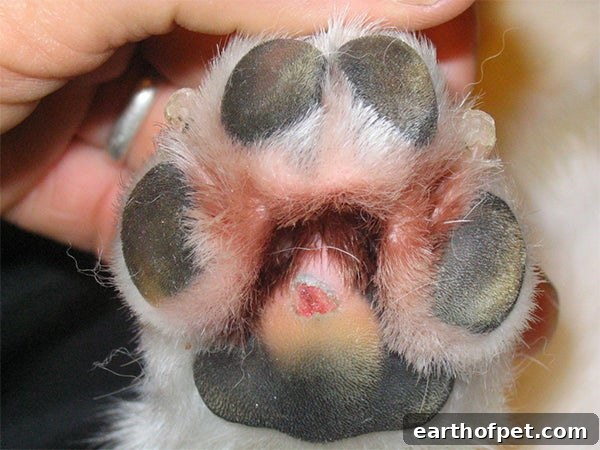
If your dog displays any of these signs after being outdoors in very cold weather, contact your veterinarian promptly for guidance. Early evaluation can prevent further complications.
Cats Are at Risk, Too
Frostbite can affect cats as well as dogs. It’s generally safer to keep pet cats indoors during cold weather. For community cats or feral cats that live outside, provide a well-insulated shelter with dry bedding. Wet bedding is dangerous because it accelerates heat loss. Use straw for insulation and consider loose pillowcases stuffed with shredded newspaper to help retain warmth and keep bedding dry.
Helping Your Pet Thrive Through Winter
Knowing the risks of frostbite and how quickly it can develop will help you plan safer outings. If outdoor time must be limited, find ways to give your dog both physical activity and mental stimulation indoors. Active dogs in particular need outlets for energy; without them, they can become destructive.

3 Ways to Stay Active with Your Dog During Winter
Physical exercise and mental enrichment both matter. Bored dogs can develop unwanted behaviors, so provide safe, engaging alternatives to long outdoor sessions.
1. Nosework and Scent Games
Nosework taps into a dog’s natural scenting ability. Hide treats around a room — under a chair, behind a book, on low furniture — and release your dog to search. This activity burns energy while exercising their brain and senses.
2. Advanced Training Sessions
Use indoor time to teach or reinforce obedience and impulse-control skills. Practicing “sit and stay,” waits, and calm greetings not only stimulates your dog mentally but also improves manners for visitors and busy times.
3. Indoor Dog Parks and Play Spaces
Climate-controlled indoor dog parks and supervised play facilities offer a safe place for dogs to run and socialize without exposure to extreme cold. These venues can be especially helpful for high-energy dogs who need more vigorous exercise.
Frostbite is a real threat during cold winter weather, but with awareness and preparation you can reduce the risk. Monitor your pet’s exposure to cold, recognize early symptoms, consult your veterinarian when needed, and provide enriching indoor activities to keep your companion healthy and happy throughout the season.