Have you ever noticed that your dog greets you in different ways each time you come home? Dogs don’t just bark or wag their tails at random — their greetings are a form of body language that communicates affection, trust, and emotional state. Understanding these signals helps you respond in a way that strengthens your bond and keeps your dog comfortable and secure. Below are six common greeting styles, what each one typically means, and simple tips for responding.
#1 Happy Hopper: Excited and Racing Hearts!
When your dog races around you, spins in circles, or performs energetic jumps, they’re broadcasting excitement and joy. This high-energy welcome is often paired with a wagging tail, bright eyes, and a quickened breathing rate. It’s your dog’s way of saying, “I’m so glad you’re back!”
How to respond: If your dog’s enthusiasm is safe and calm enough, greet them warmly for a few moments, then guide them into a brief settling routine to prevent overexcitement from becoming nipping or jumping. Practicing a simple “sit” before full attention can help channel this energy into good manners while still acknowledging their happiness.
#2 Trusty Tummy: Sharing Love and Trust

When a dog rolls onto their back and exposes their belly, they are showing vulnerability and trust. This posture signals that the dog feels safe and comfortable in your presence — a clear sign of affection. Some dogs request a belly rub; others simply display this position as reassurance.
How to respond: If the dog willingly offers their belly, gentle, calm petting is usually appreciated. Always watch for signs of tension or reluctance and never force interaction; respect for boundaries reinforces trust.
#3 Snuggle Sidekick: Loving and Close

When your dog leans against you or gently presses their body nearby, they are seeking closeness. This “leaning” behavior is a social, affiliative gesture indicating comfort, companionship, and a desire to be near you. It often accompanies quiet, content breathing and relaxed facial muscles.
How to respond: Return the affection if you enjoy it — gentle petting and calm attention reinforce your dog’s sense of security. If they lean during vulnerable moments, the physical contact reassures them that you are a safe presence.
#4 Comfy Cuddler: Love and Safety

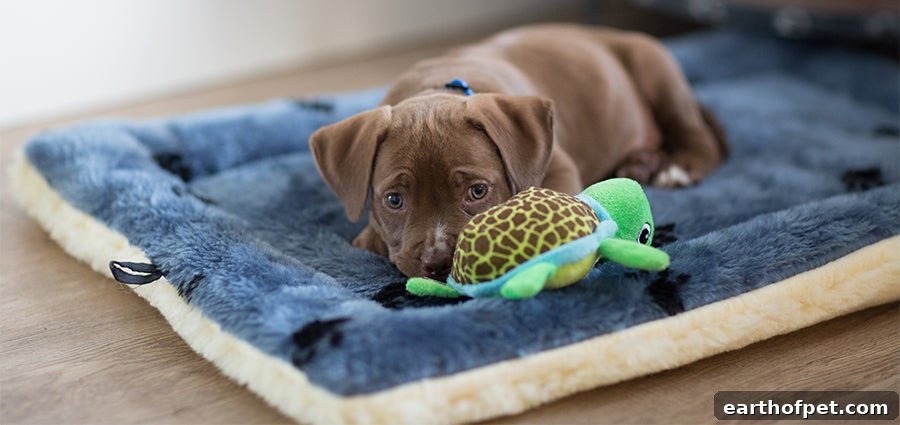
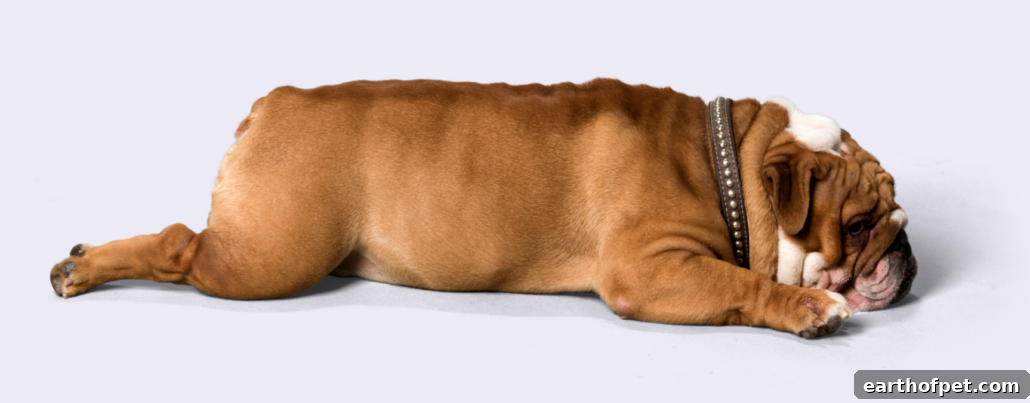
Curling up in a ball when you arrive is a cozy, protective posture. It combines comfort with alertness — your dog wants to be near you while maintaining readiness to respond to changes. This greeting often reflects a calm attachment and a sense of safety in your company.
How to respond: Provide a warm, quiet acknowledgement. This is a good moment for calm strokes and reinforcing a peaceful environment. Maintaining predictable routines supports this calm closeness.
#5 Tender Team: Love through Touch
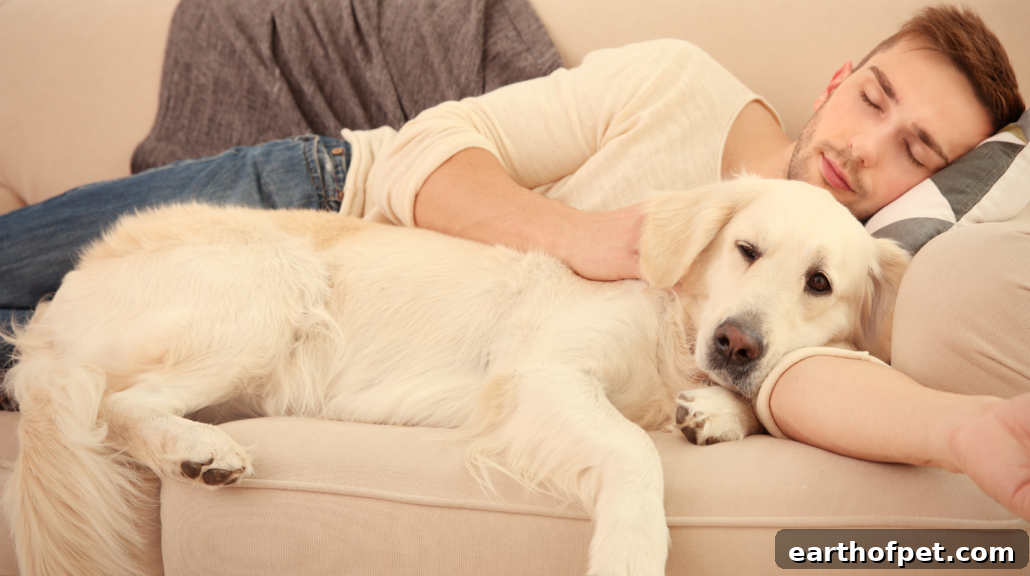
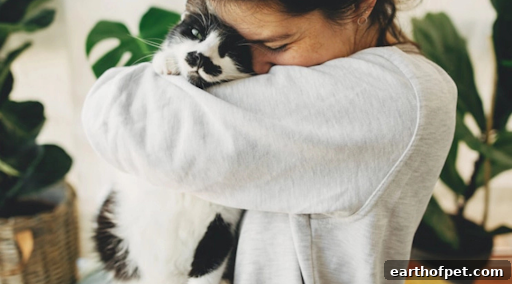
Some dogs nuzzle, spoon, or position themselves back-to-back with you. These behaviors reflect social bonding and a desire for mutual warmth and closeness. Physical contact like this can strengthen the emotional connection between you and your pet.
How to respond: Enjoy the closeness if it feels natural. Use gentle petting and soft talk to affirm the bond. If space or timing doesn’t allow, a brief, affectionate acknowledgment is sufficient so your dog learns that closeness is welcomed but not demanded.
#6 Alert Ally: Always Ready for You
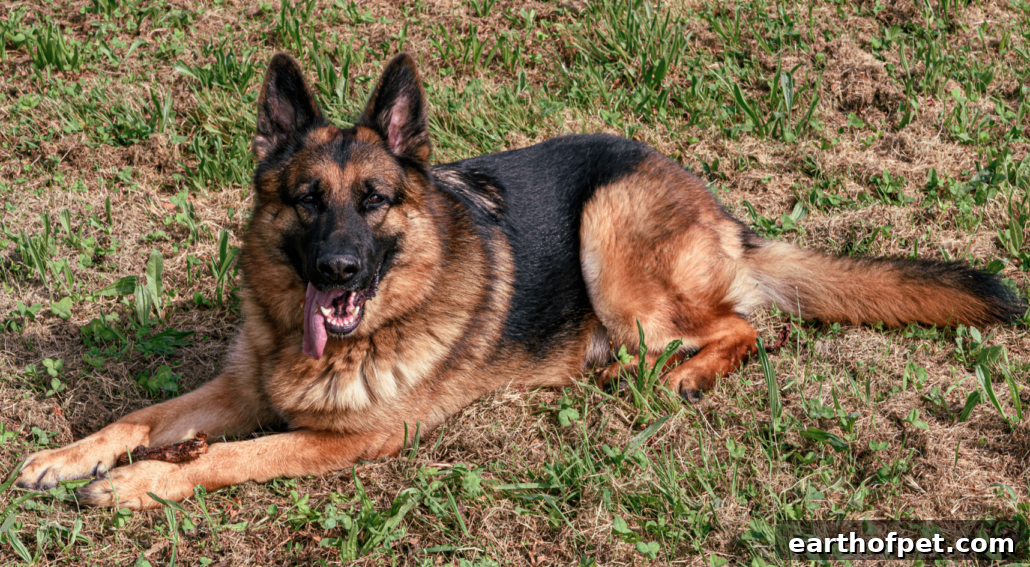
When your dog greets you in a poised, attentive stance — front legs extended, head up, eyes focused — they are signaling readiness and attentiveness. This “alert” greeting communicates a strong desire to be involved and to pay close attention to whatever you do next.
How to respond: Engage them in short, positive interactions such as a calm hello and then a simple cue or walk. Channeling that attention into training or play helps strengthen communication and mental stimulation.
Reading the Whole Message: Context Matters
Different greetings can mean slightly different things depending on context, the dog’s age, breed, and past experiences. Pay attention to tail position, ear movement, eye contact, and the overall body tension to interpret meaning accurately. If a dog’s greeting style changes suddenly, or is accompanied by signs of stress, discomfort, or aggression, consult a veterinarian or certified trainer to rule out health or behavioral issues.
Understanding these six greeting styles helps you recognize how your dog expresses affection and readiness to connect. By responding in ways that match your dog’s emotional state — whether excited, trusting, cuddly, protective, affectionate, or alert — you reinforce a healthy, communicative relationship that benefits both of you.
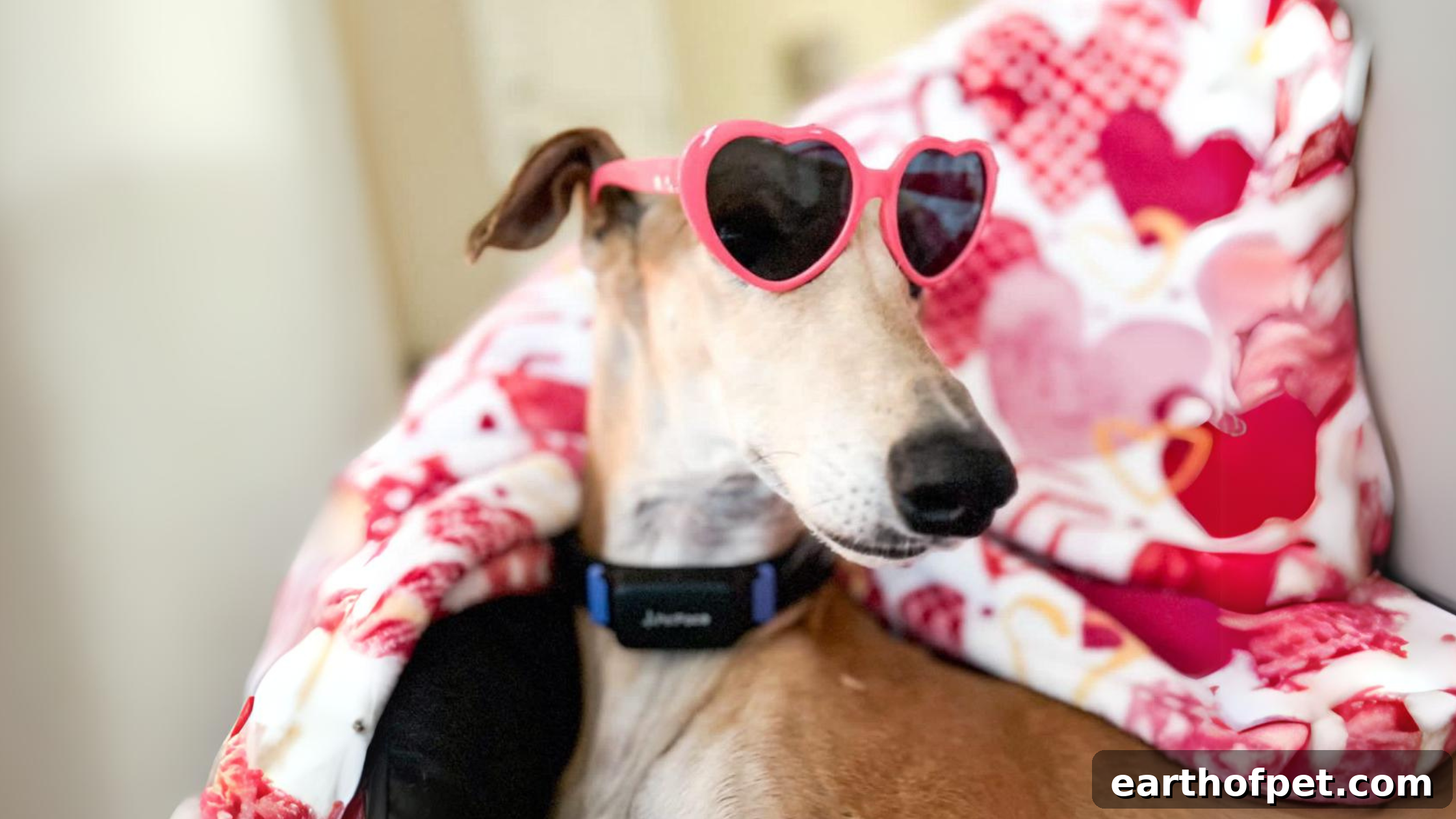
If you want tools to monitor your dog’s health alongside learning their behavior patterns, consider PetPace Health 2.0. This product offers wearable monitoring features that can help you track activity, rest patterns, and other signals so you can stay informed about your pet’s wellbeing and strengthen your connection.