Remote veterinary consultations are reshaping how pet owners access care, but not all online vet visits deliver the same quality. To be truly effective, telemedicine for pets requires more than a video feed — it needs accurate, continuous health data. When veterinarians have access to real-time vital signs and ongoing activity trends, remote consultations become a powerful extension of in-clinic care, enabling early detection, better chronic disease management, and greater peace of mind for pet parents.
What Are Remote Veterinary Consultations?
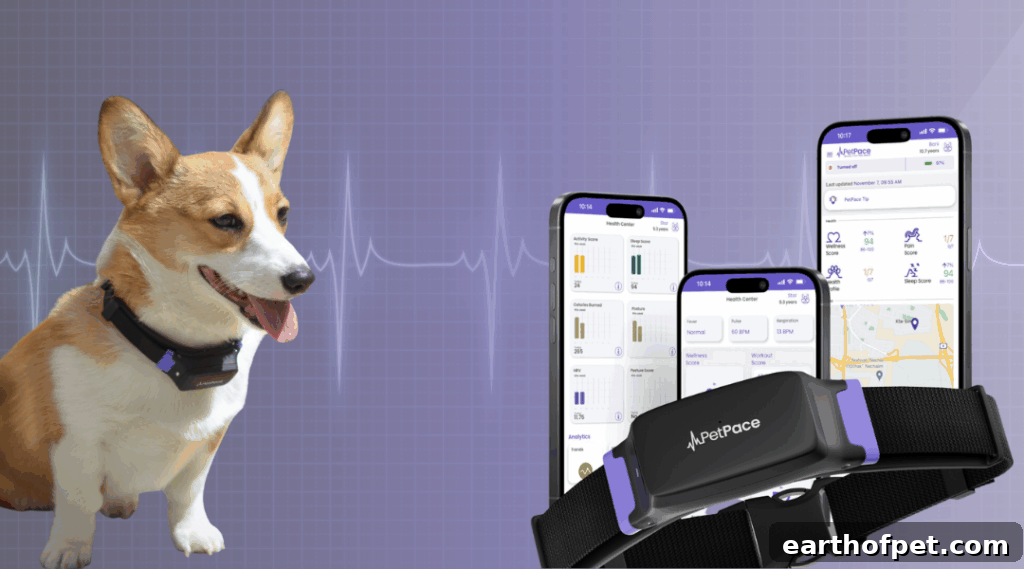
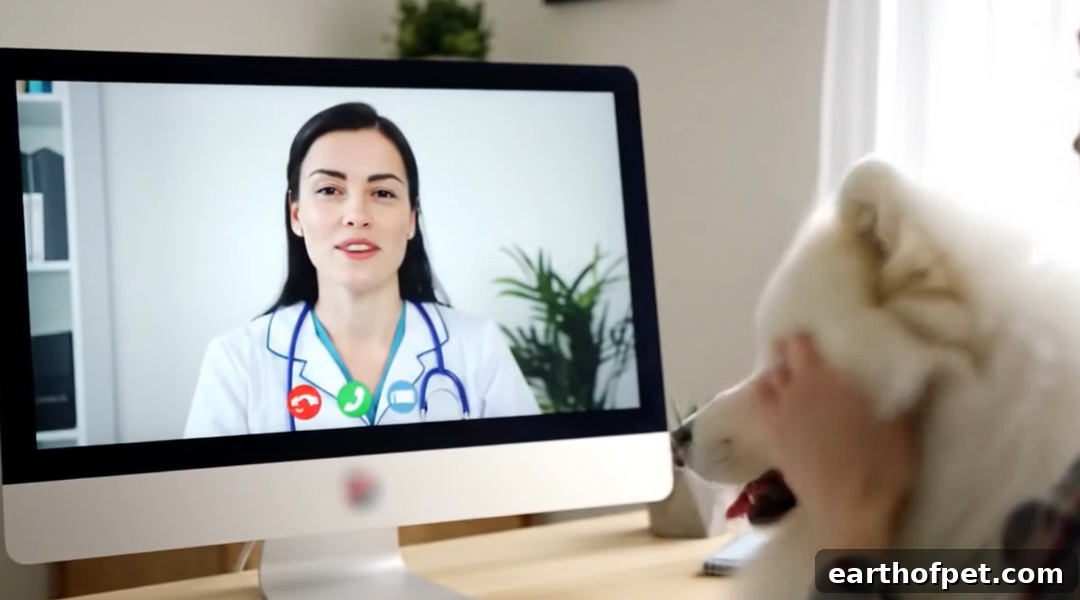
Remote veterinary consultations, often referred to as telemedicine for pets, connect pet owners with their licensed veterinarian via video chat, phone, or secure messaging. These virtual visits make it simple to describe symptoms, share short videos or pictures, and determine whether an in-person exam is necessary. While visual assessment and history are valuable, seeing your pet isn’t always enough. Subtle changes in heart rate, respiration, temperature, or sleep and activity patterns can be missed without objective measurements. Devices that provide real-time vital data, such as smart collars and wearable monitors, let vets evaluate a pet’s condition with greater confidence from a distance.
Why Remote Consultations Work Better with Real Vitals
Accurate information is the foundation of effective telemedicine. Veterinarians interpret signs and make medical decisions based on the best available data. When a remote visit is combined with continuous monitoring, clinicians gain a fuller picture of the pet’s health. Key metrics that improve remote care include:
- Heart rate and respiratory trends — useful for detecting stress, pain, or early illness
- Body temperature — valuable for spotting fever or inflammatory states
- Activity and sleep patterns — provide clues about behavior changes, pain, or recovery progress
- Long-term health records — help monitor chronic conditions and response to treatment
With these data points, veterinarians can offer more precise recommendations, triage effectively, and identify subtle changes before they escalate into severe problems.
The Growing Popularity of Remote Consultations
Veterinary telehealth is expanding as clinics and pet owners recognize the convenience and clinical value of remote care. The market for veterinary telehealth has grown substantially and continues to attract investment and innovation. This trend reflects a broader shift toward data-driven, proactive health management. Wearable monitors and integrated telemedicine platforms are becoming core tools in high-quality pet care, enabling continuous monitoring and timely interventions outside the clinic.
When to Use Remote Consultations and When to Visit the Clinic
Remote consultations are ideal for many routine and non-emergency situations, but they are not a complete substitute for hands-on veterinary care. Use telemedicine for:
- Follow-ups after surgery or medical treatment
- Ongoing management of stable chronic conditions
- Behavioral concerns and initial behavioral assessments
- Preliminary triage and determining whether an in-person visit is needed
However, schedule an in-person appointment for:
- Comprehensive physical examinations that require palpation or specialized maneuvers
- Diagnostic testing and imaging such as X-rays, ultrasounds, or laboratory diagnostics
- Emergency or urgent situations like severe trauma, difficulty breathing, or sudden collapse
When deciding between remote and in-clinic care, consider the severity and suddenness of symptoms. Remote visits excel at monitoring trends and managing non-urgent issues, particularly when supported by live health data from wearables.
The Benefits of Remote Consultations
Remote veterinary consultations offer several practical advantages for pets and their owners by extending care beyond the clinic walls. Key benefits include:
- Convenience: Consult with a veterinarian from home to save time and reduce travel stress for both you and your pet.
- Reduced stress for pets: Animals remain in familiar surroundings, making it easier to observe natural behavior and detect subtle symptoms.
- Access to expertise: Remote visits connect you with experienced veterinarians who may be unavailable locally, increasing access to specialized advice.
- Real-time health insights: When paired with wearable monitors such as smart collars, vets can review live vital signs and activity data to support diagnosis and care planning.
These benefits make telemedicine a flexible tool for routine care, preventative monitoring, and early intervention. It also supports collaborative care, allowing pet owners and veterinary teams to work together more closely over time.
Considerations and Best Practices
Telemedicine provides flexibility, but it has limits. Some conditions require hands-on evaluation, advanced diagnostics, or immediate in-clinic treatment. Best practices for using remote consultations effectively include preparing clear photos or short videos of symptoms beforehand, sharing any available wearable device data, and having a concise timeline of the pet’s symptoms and medications ready. This preparation helps the veterinarian make the most informed clinical decisions possible during the remote appointment.
The Future of Veterinary Care
The future of veterinary medicine lies in the intersection of smart technology and compassionate clinical practice. Wearable health monitors, AI-driven analytics, and integrated telemedicine platforms are enabling earlier detection of disease, more personalized treatment plans, and continuous monitoring of recovery and chronic conditions. These tools empower pet owners and veterinarians to detect changes sooner, track progress objectively, and adjust care plans in real time. Remote consultations will not replace hands-on exams, but when supported by accurate, continuous health data — for example from devices like the PetPace collar — they meaningfully extend care beyond the clinic and help pets stay healthier and better understood every day.