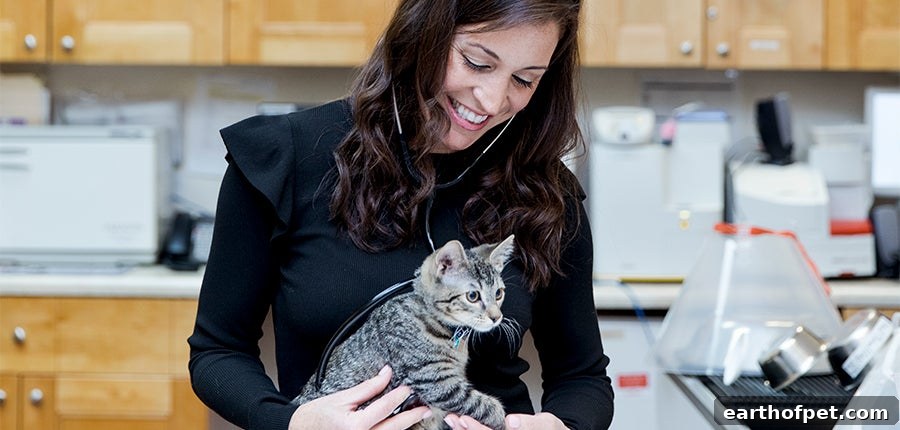
When monitoring a dog’s health, heart rate (HR) is one of the quickest and most sensitive indicators that something may be wrong. However, the heart rate your veterinarian records during a clinic visit can differ significantly from the rate your dog shows at home on a typical day.
That difference isn’t evidence that a vet is doing anything wrong; it reflects the fact that a single reading—especially one taken in an unfamiliar, potentially stressful environment—captures only one moment in a continuous, beat-by-beat story.
Stress ≠ Sickness, but It Raises the Numbers
A 2022 peer-reviewed study in Journal of Veterinary Behavior tracked the physiological and behavioral responses of 30 dogs during a mock physical exam. The study reported notable shifts between waiting-room and exam-room measurements:
- The average HR in the waiting room was approximately 97 bpm.
- Once inside the exam room, HR rose to about 123 bpm on average.
- Roughly one-third of the dogs had peaks above 180 bpm, and the highest single reading reached 230 bpm, even while the dogs were technically at rest.
In this study, “At the heart of a dog’s veterinary experience: Heart rate responses in dogs vary across a standard physical examination”.
The study also correlated heart rate spikes with clear body-language signs such as a tucked tail or ears pulled back. This demonstrates a common phenomenon in veterinary practice: novel sights, sounds, and handling raise arousal and temporarily alter physiologic readings. A single elevated reading taken during that adrenaline surge cannot reliably represent a dog’s resting heart rate at home—information that is often more relevant when screening for cardiac disease, pain, or anxiety.
Continuous Data Changes the Conversation
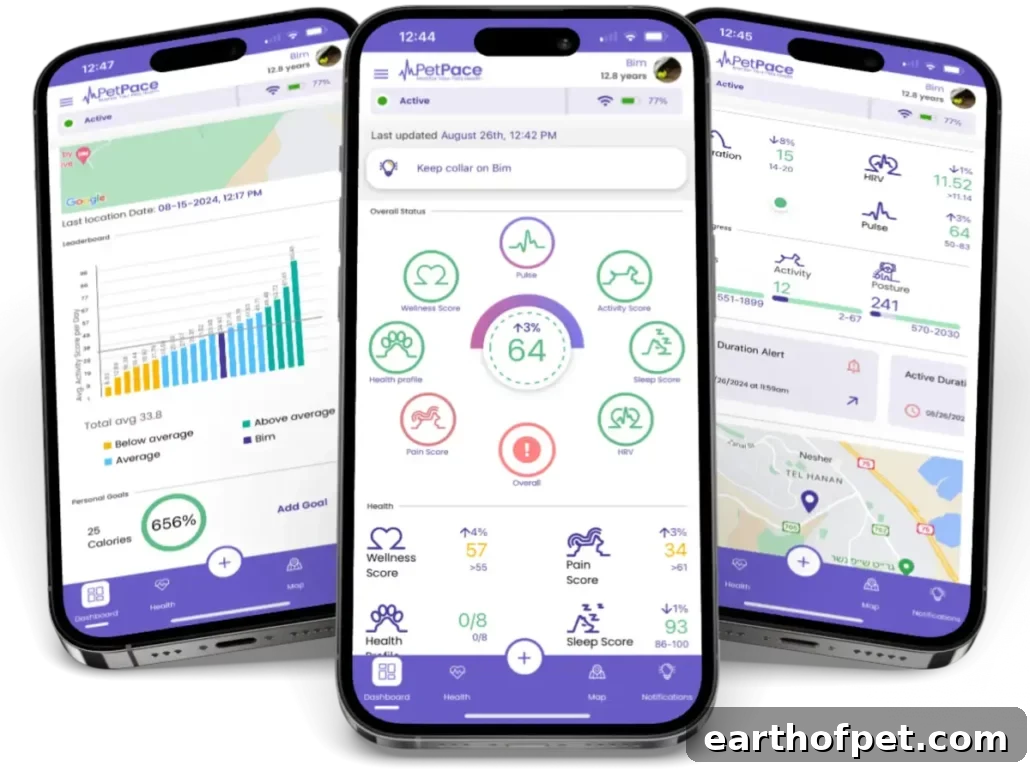
Continuous monitoring provides a broader, more accurate picture than isolated clinic measurements. Devices designed for around-the-clock tracking collect longitudinal data that reveal:
- true resting and sleeping heart rate;
- activity-related peaks from play or excitement;
- subtle trends over days or weeks that can signal pain, illness, or increasing anxiety;
When veterinarians can review a full timeline, they see both ends of the spectrum—the “white-coat” spike and the low, restful HR that is often missed in a clinic setting. This fuller dataset helps inform diagnostics and care decisions with better context and less guesswork.
A Teachable Moment from a Customer Review
Midway through 2025, the team received an Amazon review that prompted a careful review of the data by our Chief Veterinarian, Dr. Asaf Dagan. The main point he shared with the reviewer was straightforward:
“It isn’t uncommon for vets to see only higher pulse rates. The moment a dog steps on the exam table, HR climbs.
Continuous home monitoring, on the other hand, often records pulse when the dog is asleep or fully relaxed, so we frequently capture heart rates that are much lower than clinic numbers.
Our pulse algorithm, validated against electrocardiography, is highly accurate.” – Dr. Asaf Dagan, Chief Veterinarian.
When the full 24-hour timeline was reviewed, the low, healthy readings were clearly visible and helped put the clinic measurements into perspective.
How Continuous Monitoring Complements (Not Replaces) Your Vet
- Fuller baseline. Your veterinarian can no longer guess what “normal” looks like for your individual dog; they can review a documented baseline collected in the dog’s own environment.
- Early red flags. Gradual changes in resting heart rate or persistent nighttime elevations can precede obvious clinical signs, allowing for earlier investigation.
- Context for treatment. When starting a new medication, diet, or rehabilitation program, clinicians can evaluate how a dog’s physiology responds in daily life rather than relying solely on an exam-room snapshot.
- Reduced stress. Better remote monitoring can mean fewer in-office rechecks for routine follow-up, which reduces stress for the dog and workload for the clinic.
These advantages make continuous monitoring a practical complement to veterinary care: it augments clinical expertise with objective, real-world data that helps guide decisions over time.
Practical Tips for Owners
If you want to build a reliable baseline for your dog’s heart rate, consider these practical steps:
- Observe and record heart rate when your dog is relaxed or sleeping at home to establish typical patterns.
- Note contextual factors—time of day, recent activity, or stressors—that might explain temporary increases.
- Share trends and summaries with your veterinarian rather than isolated high readings taken under stress.
- Ensure any monitoring device fits comfortably and that battery and data syncing are kept up to date so the record remains continuous and accurate.
Takeaway: More Beats, More Insight
A single clinic reading is like a single frame from a movie: useful, but not the whole plot. Pairing a veterinarian’s clinical exam with reliable, round-the-clock heart rate data gives your dog a complete cardiac story—highs, lows, and the patterns in between. When every heartbeat matters, continuous, contextual data can be essential for early detection, better treatment decisions, and reduced stress for both pet and family.