Senior Dog Health: Caring for Your Aging Dog
One day you notice it — your dog is moving a bit slower, sleeping more, groaning when they stand up. They're not old yet, not really, but they're not young anymore either. Welcome to your dog's golden years.
Caring for a senior dog is different from caring for a young one. Their bodies are changing. Their health needs are shifting. Their capacity for certain activities is diminishing. But with the right approach, you can keep a senior dog comfortable, engaged, and happy for many years.
When Is a Dog Considered Senior?
Officially, dogs enter their senior years around age 7, though this varies by breed and individual.
Large breeds age faster than small breeds. A Great Dane might be considered senior at 5 or 6, while a Chihuahua might be healthy at 10.
Your dog's individual aging depends on genetics, lifestyle, health history, and breed.
Some dogs are "old" at 7; others are still young and active. Judge your dog's age by their individual condition, not just a number.
Changes to Expect in Senior Dogs
Cognitive changes: Confusion, getting lost in familiar places, forgetting commands they knew, altered sleep-wake cycles.
Physical changes: Slowed movement, stiffness, limping, difficulty jumping or climbing stairs.
Sensory changes: Decreased vision and hearing, though rarely complete blindness or deafness.
Behavioral changes: Increased anxiety, less patience, wanting to play less, increased vocalization.
Medical issues: Arthritis, incontinence, organ disease, cognitive dysfunction.
Coat changes: Hair graying, loss of coat shine, sometimes hair loss.
Weight changes: Some seniors gain weight despite eating less; others lose weight due to changing metabolism.
These changes are normal aging, not inevitable medical problems. But they signal that your dog needs adjusted care.
Health Monitoring for Senior Dogs
More frequent vet visits: Increase from yearly to twice yearly. This catches developing problems early.
More frequent bloodwork: Annual bloodwork for healthy seniors, more often if problems develop. Bloodwork catches kidney disease, liver disease, diabetes, and other age-related issues often before you notice symptoms.
More frequent cancer screenings: Cancer is more common in older dogs. Some vets recommend annual abdominal ultrasounds or chest X-rays.
Home monitoring: Watch for changes in eating, drinking, bathroom habits, activity level, and behavior.
Common Senior Dog Health Issues
Arthritis: Extremely common in older dogs. Stiffness (especially after rest), limping, reluctance to climb stairs or jump.
Management: Maintain healthy weight, moderate exercise, pain medication (NSAIDs, other pain relievers), supplements (glucosamine, chondroitin, fish oil), consider hydrotherapy or laser therapy.
Cognitive dysfunction: Confusion, disorientation, altered sleep patterns, changes in housetraining.
Management: Environmental structure, puzzle toys for mental stimulation, medications (like Anipryl) that help cognitive function.
Incontinence: Loss of bladder or bowel control, especially during sleep.
Management: More frequent outdoor breaks, waterproof bedding, medications (for urinary incontinence), increased vet visits (can signal UTI or other issues).
Organ disease: Kidney disease, liver disease, heart disease are common in seniors.
Management: Depends on specific disease. Regular monitoring, dietary adjustments, medications.
Vision loss: Cataracts, glaucoma, progressive retinal atrophy (PRA).
Management: Minimize environmental changes, keep the home arrangement consistent, use nightlights, work with a vet ophthalmologist.
Hearing loss: Less common than vision loss, but occurs.
Management: Hand signals instead of voice commands, gentle touch before interactions, extra supervision (they can't hear approaching vehicles).
Dental disease: Existing dental problems often worsen with age.
Management: Continue brushing if possible (though more gentle), regular dental exams.
Adjusting Your Home for a Senior Dog
Ramps or steps: If your dog struggles with stairs or jumping on furniture, ramps or steps help.
Orthopedic bedding: Thick, cushioned beds reduce pressure on joints.
Easy access: Place water, food, and sleeping areas on the same level if climbing is difficult.
Consistent environment: Keep furniture and layout consistent so a vision-impaired dog can handle.
Bathroom access: More frequent outdoor breaks or consider a doggy door.
Temperature control: Seniors are more sensitive to heat and cold. Keep your home at comfortable temperatures.
Non-slip flooring: Senior dogs appreciate non-slip surfaces so they don't slip when standing.
Nutrition for Senior Dogs
Senior dogs often need adjusted nutrition.
Calorie adjustment: Metabolism slows. Many seniors need fewer calories despite their size. Avoid overfeeding.
Fiber adjustment: Some seniors benefit from increased fiber for digestive health.
Protein: Contrary to old advice, seniors don't need reduced protein unless specifically recommended for a health condition. Adequate protein helps maintain muscle mass.
Dental considerations: Soft or moistened food might be needed if dental disease or tooth loss makes eating difficult.
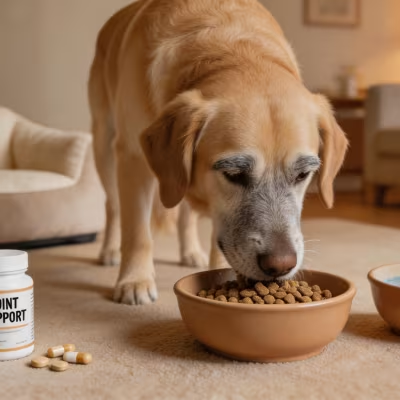
Supplements: Glucosamine, fish oil, and other supplements might benefit joint health.
Specialized diets: Some conditions (kidney disease, heart disease) benefit from prescription diets.
Ask your vet about nutrition adjustments for your senior dog.
Exercise and Activity for Senior Dogs
Senior dogs still need activity, just adjusted.
- Shorter, more frequent walks instead of one long walk
- Gentler pace
- Avoid high-impact activities
- Continue mental stimulation through puzzle toys, training, sniffing games
- Swimming or hydrotherapy is excellent low-impact exercise
- Allow more rest
A senior dog that moves stiffly first thing in the morning might appreciate a gentle warming walk before the main activity.
Pain Management in Senior Dogs
Arthritis and other conditions cause pain. Pain management improves quality of life.
Pain medications: NSAIDs (like Rimadyl or Carprofen), newer drugs (like Librela), or other pain relievers prescribed by your vet.
Supplements: Glucosamine, chondroitin, fish oil, green-lipped mussel.
Physical therapy: Massage, stretching, hydrotherapy.
Laser therapy: Some vets offer cold laser therapy for pain.
Acupuncture: Some dogs benefit from acupuncture for pain management.
Talk to your vet about options. Treating pain significantly improves a senior dog's quality of life.
Dental Care for Seniors
Continue dental care in senior years.
- Gentle brushing (if your dog tolerates it)
- Regular vet exams
- Professional cleanings if health status allows (discuss anesthesia risk with your vet)
Untreated dental disease causes pain and can affect overall health.
Incontinence and House Soiling
Some seniors lose bladder control. This doesn't mean your dog is broken. It's common and manageable.
Increase outdoor breaks: More frequent (maybe 4-5 times daily) outdoor bathroom trips reduce accidents.
Waterproof bedding: Protect furniture and flooring with waterproof pads.
Diapers: Some owners use dog diapers, though not all dogs tolerate them.
Medications: Talk to your vet. Medications for urinary incontinence sometimes help.
Medical issues: Incontinence sometimes signals UTI, diabetes, or other medical issues. Vet exams are important.
Never punish house soiling in a senior dog. They're not doing it intentionally.
Behavioral Changes in Senior Dogs
Seniors might: Become less tolerant of changes, Show increased anxiety, Sleep more, engage less, Bark more frequently, Develop sudden aggression, and Seem confused or lost.
These often have medical causes (pain, cognitive dysfunction, medical disease). Your vet should evaluate behavior changes.
Provide structure, maintain routine, use patience and understanding. Your senior dog is experiencing real changes.
When It's Time to Consider Quality of Life
Eventually, every dog reaches a point where their body is no longer cooperating. Managing senior health sometimes means having difficult conversations about end-of-life care.
Signs that quality of life is declining:
- Inability to get comfortable despite pain management
- Inability to stand or walk
- Inability to eat or severe appetite loss
- Incontinence they can't control despite management
- Cognitive decline affecting daily function
- Chronic pain not controlled by medication
This is deeply personal. Your vet can help you assess your dog's quality of life and discuss options.
Making the Most of Your Dog's Senior Years
Senior dogs deserve to be celebrated. They've given you years of companionship. Their golden years are an opportunity to slow down, savor the time together, and make them comfortable — Keep them active within their limits, Maintain routine and structure, Provide mental stimulation, Manage pain proactively, Monitor health closely, and Treasure the quiet moments together.
Senior dogs often become calmer, sweeter, and more content. They appreciate consistency, comfort, and your presence.
Common Senior Dog Health Questions
Is arthritis painful for dogs? Yes. If your senior dog is limping or moving stiffly, talk to your vet about pain management.
How much should my senior dog eat? Ask your vet. Most seniors need fewer calories but adequate nutrition.
Can my old dog still exercise? Yes, but adjusted. Shorter, gentler, more frequent activity.
When do I need vet visits for my senior dog? At least twice yearly. More often if health issues develop.
Is cognitive dysfunction permanent? It can be managed with medication and environmental structure, but often progresses over time.
What if my senior dog keeps having accidents? Medical issues first (UTI, diabetes), then incontinence management. Discuss with your vet.
Is my dog too old for surgery? Age alone doesn't determine surgical candidacy. Health status and anesthesia risk matter more. Talk to your vet.


0 Comments
No comments yet. Be the first to share your thoughts!
Leave a Comment