Treats are part of dog ownership joy—rewards for good behavior, training motivation, or simple expressions of affection. However, excessive treats cause obesity and nutritional imbalances. Understanding healthy treat options, appropriate quantities, and nutritional impact ensures treats enhance rather than harm your dog's health. This complete guide explores treat selection, portion control, and healthy treat options.
Why Treats Matter
Treats serve important functions: reinforcement during training, enrichment, and bonding opportunities. However, they're supplements to nutrition, not replacements. Treats that compromise nutritional balance or cause obesity defeat their purpose—they damage the health and longevity you're trying to support through treats.
Balancing treat enjoyment with nutritional responsibility requires understanding caloric impact and making thoughtful selections.
The 10% Rule
Calculating Treat Calories
Treats should comprise no more than 10% of daily caloric intake. The remaining 90% comes from balanced diet meals. This 10% limit ensures treats don't disrupt nutritional balance or cause excess weight gain.
Example: A 50-pound dog requiring 1,000 calories daily can consume approximately 100 calories from treats, leaving 900 calories for meals.
Here's how to implement the 10% rule:
- Calculate your dog's daily caloric needs (consult your veterinarian for specific numbers)
- Calculate 10% of daily calories (e.g., 1,000 calories × 0.10 = 100 calories)
- Stay within that treat calorie budget daily
- Subtract treat calories from meal portions
This prevents weight gain from excess calories while allowing treats.
High-Quality Treat Options
Commercial Dog Treats
Dental Treats: Designed to clean teeth through chewing, many dental treats provide functional benefits alongside nutrition. Look for products with minimal added sugar and appropriate ingredients.
Training Treats: Small, soft treats ideal for training due to high palatability and small size. Premium training treats use quality ingredients and minimal fillers.
Natural/Premium Treats: Many companies offer treats using whole ingredients, limited additives, and high nutritional value. These cost more but provide quality ingredients.
Freeze-Dried Treats: Single-ingredient freeze-dried meat treats provide protein without processing. While expensive, they're highly nutritious and appealing to most dogs.
Homemade Treat Options
Peanut Butter (Xylitol-Free): Mix unsweetened peanut butter with oat flour and banana. Freeze in ice cube trays for convenient treat portions. Verify peanut butter contains no xylitol.
Carrot Sticks: Free, low-calorie, teeth-cleaning chew. Most dogs enjoy raw or cooked carrots.
Pumpkin Treats: Mix canned pure pumpkin (not pie filling) with peanut butter and freeze in ice cube trays.
Apple Slices: Remove seeds and core. Slice apples into treat-sized pieces. Low-calorie, healthy option.
Sweet Potato Chews: Bake sweet potato strips until firm for long-lasting chews.
Watermelon: Remove seeds and rind. Freeze small chunks for refreshing warm-weather treats.
Yogurt Popsicles: Plain yogurt frozen in small containers makes healthy treats. Avoid sweetened yogurt.
Long-Lasting Chew Options
Bully Sticks: Processed meat chews lasting longer than soft treats. Monitor for complete consumption to prevent choking. Choose from reputable sources.
Natural Chew Toys: Rubber, rope, or nylon chew toys aren't food but satisfy chewing urges. Supervise to prevent ingestion of toy material.
Antlers: Shed deer or elk antlers provide long-lasting chews. While natural, they can fracture teeth—supervise and remove if tooth damage occurs.
Yak Cheese Chews: Himalayan dog chews made from hardened cheese. Long-lasting and appealing, though expensive. The hard texture risks tooth fractures in aggressive chewers.
Treat Selection Criteria
Read Labels
Choose treats with:
- Named meat or whole ingredients as primary components
- No artificial colors, flavors, or preservatives
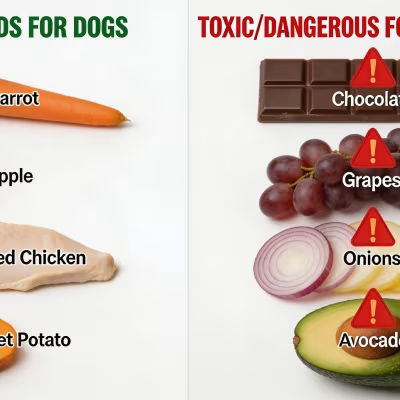
- No toxic ingredients (xylitol, chocolate, onions, garlic)
- Minimal added sugars
- Appropriate calorie levels
Treats with vague ingredient lists or many additives are best avoided.
Consider Your Dog's Needs
Senior Dogs: Lower-calorie, softer treats appropriate for reduced activity and potentially compromised teeth.
Puppies: Appropriately-sized treats preventing choking. Training treats that don't disrupt puppy food balance.
Dogs with Allergies: Limited-ingredient treats avoiding allergens.
Overweight Dogs: Low-calorie treats—vegetables, air-popped popcorn (no salt), or specialized weight management treats.
Avoid Common Problems
- Excessive sugar: Promotes dental disease and obesity
- Artificial ingredients: Unnecessary and potentially harmful
- Choking hazards: Avoid treats your dog swallows without chewing
- Allergens: Identify and avoid if your dog has food allergies
- Excessive fat: Contributes to pancreatitis and obesity
Training Treats Specifically
Why Training Treats Matter
During intensive training, treats serve as behavior reinforcement. Some dogs work for nothing else—training treats are motivational powerhouses. Choosing appropriately prevents excess calorie intake during heavy training.
Ideal Training Treats
The best training treats are:
- Small: Pea-to-bean sized prevents meal replacement
- Soft: Easy to consume quickly, not interrupting training flow
- Palatable: High motivation to perform for rewards
- Calorie-conscious: Track training calories toward daily limits
Implementing Training Treats
During training sessions, subtract treat calories from daily meal portions. If training heavily (many daily sessions), adjust meals more significantly to stay within daily caloric limits.
Alternatively, use portions of your dog's regular kibble as training treats. This reduces excess treat calories while rewarding appropriately.
Managing Treat-Related Problems
Obesity from Treats
If your dog is overweight, treat over-consumption is often the culprit. Implement the 10% rule strictly, choosing lowest-calorie treat options. Switch to vegetable treats (carrots, green beans) with near-zero calorie impact.
Begging Behavior
Dogs begging for treats learn that persistence works. Never feed from the table or in response to begging. Establish treat-giving routines—specific times, specific places—and refuse outside these times.
Training Treat Dependence
Some dogs stop responding to verbal praise once accustomed to food rewards. Gradually reduce treat dependence, mixing treats with praise and physical affection. Eventually, transition to primarily verbal rewards.
Seasonal and Special Treats
Holiday Treats
During holidays, resist sharing human foods and excessive treats. Maintain regular treat budgets even during festive times. Offer dog-appropriate holiday treats instead of begging for human food.
Frozen Treats for Summer
Dog ice cream (frozen dog-safe ingredients), frozen fruit (watermelon, berries), or frozen treat popsicles cool dogs while providing stimulation.
Long-Lasting Winter Treats
Bully sticks, yak chews, or other long-lasting chews provide extended entertainment during cold weather when outdoor activity decreases.
When Treats Become Problematic
If your dog shows: Rapid weight gain, Reduced interest in meals, Digestive upset from treats, and Pancreatitis (vomiting, abdominal pain).
Stop treats immediately and consult your veterinarian. Some dogs have sensitivities to specific treat ingredients or suffer from conditions (like pancreatitis) where treats are inappropriate.
The Role of Treats in Positive Reinforcement
Treats are most effective when:
- Used immediately following desired behavior
- Paired with verbal praise and affection
- Varied to prevent monotony
- Adjusted to individual dog preferences
- Used to build behaviors, not replace other relationship aspects
The strongest rewards combine treats, praise, physical affection, and play—creating multi-sensory positive reinforcement.
Conclusion
Treats enhance relationships with our dogs while serving important training and enrichment functions. However, thoughtful treat selection and portion control keep treats beneficial rather than harmful. Implement the 10% rule, choose quality options, and select treats appropriate for your individual dog's needs. This balance allows you to enjoy treat-giving while supporting your dog's health, weight management, and longevity. Your dog's health is the best reward for conscientious treat management.

0 Comments
No comments yet. Be the first to share your thoughts!
Leave a Comment