Quality Dry Cat Food
Choosing high-quality dry cat food plays a major role in helping your cat enjoy a long, healthy life. The ingredients and nutrient balance in each bowl affect your cat’s coat, energy, digestion and long-term health. Good nutrition is preventive care: feeding the right diet can reduce the risk of nutrition-related conditions and may lower future veterinary expenses.
With dozens of brands and formulas available, it can be hard to know what matters most. Below are five key factors to consider when selecting the best dry cat food for your feline companion, along with practical tips to read labels and compare products.
1. Understand Cats’ Unique Nutritional Needs
Cats are obligate carnivores and require animal-based protein to meet essential nutrient needs. Meat provides critical ingredients such as taurine, arachidonic acid, vitamin A and vitamin B12—nutrients that cats cannot synthesize in adequate amounts from plant sources. A diet lacking sufficient animal protein can contribute to serious health problems, including heart and liver issues, skin problems and vision or hearing impairment.
When assessing recipes, prioritize formulas that list a named meat or fish (for example, chicken, turkey, salmon) as the primary ingredient. High-quality dry foods emphasize meat as the main protein source rather than relying primarily on plant proteins.
2. Confirm Complete and Balanced Nutrition
Beyond protein, cats need a balanced mix of fats, carbohydrates, vitamins, minerals, fatty acids and amino acids appropriate to their life stage and lifestyle. Commercial cat foods that state they are “complete and balanced” have been formulated to meet established nutritional standards so your cat receives the right amounts of essential nutrients and calories.
If you are considering homemade diets, be aware that matching the precise nutrient ratios found in balanced commercial diets can be difficult. For most cat owners, feeding a reputable, complete commercial dry formula is the most reliable way to ensure nutritional adequacy.
3. Read the Ingredient List Carefully
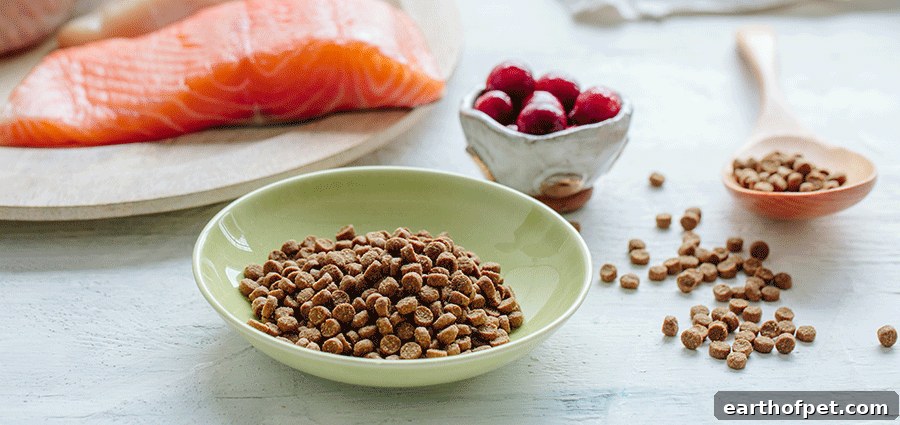
Ingredients are listed by weight, so the first few items tell you what the formula contains in greatest proportion. Look for a named meat or fish as the first ingredient and concentrated meat meals (like chicken meal or fish meal) among the top components—these indicate a strong animal-protein foundation. Recognizable, wholesome ingredients such as chicken fat, salmon oil, rice and cranberries are positives.
Avoid formulas that rely on vague or low-quality ingredients such as unspecified “meat” or “by-products,” or heavy inclusions of meat and bone meal without clear animal sources. Also be cautious of added sugars, artificial colors, artificial flavors and certain chemical preservatives (BHA, BHT, ethoxyquin, propyl gallate).
4. Look for Added Health Benefits
High-quality dry cat foods often include targeted ingredients that support overall wellbeing beyond basic nutrition. These additions can support skin and coat health, digestion, energy, immune function and musculoskeletal health. When checking labels, look for the following categories of beneficial ingredients and nutrients:
- Skin & coat: Omega-3 and omega-6 fatty acids from sources such as salmon oil and flaxseed help promote a soft, shiny coat and healthy skin.
- Digestive health: Dietary fibers like tomato pomace or beet pulp, plus prebiotics and probiotics (for example Dried Lactobacillus plantarum or Dried Enterococcus faecium fermentation products), help support intestinal health and consistent, firm stools.
- Optimal energy: A complete and balanced nutrient profile matched to your cat’s life stage provides steady energy for daily activity.
- Immune support: Antioxidant vitamins, such as vitamins E and A, help maintain a healthy immune system.
- Healthy teeth, bones & joints: Adequate calcium and phosphorus, along with joint-supporting nutrients like glucosamine and chondroitin sulfate, contribute to dental, bone and joint health.





5. Consider a Mix of Wet and Dry Food
Many veterinarians recommend offering both wet and dry food to optimize hydration and urinary tract health and to provide variety for fussy eaters. Each format has advantages:
Dry Food
Dry kibble is convenient for free-feeding and grazing. It tends to be nutrient-dense and often contains concentrated “superfoods,” supplements and probiotics that support whole-body health. The crunchy texture can also help reduce plaque buildup on teeth.
Wet Food
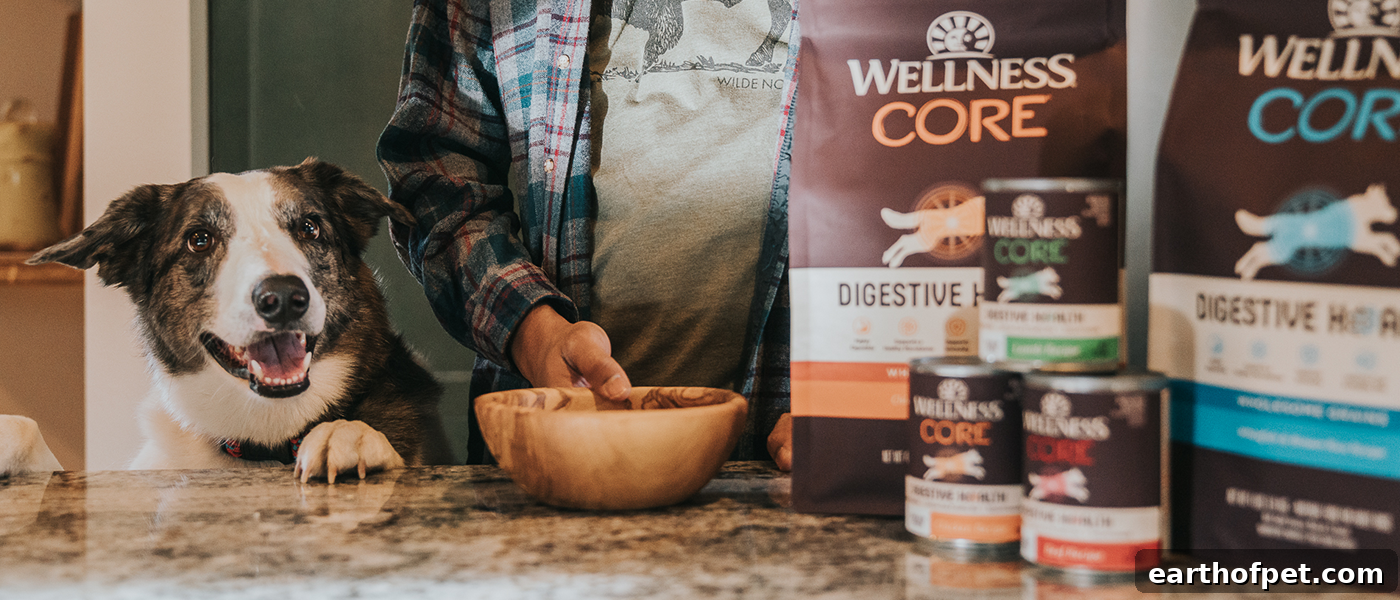
Wet (canned) food contains a high moisture level—often around 75%—which helps maintain hydration and supports urinary tract health. When choosing wet food, look for the same quality principles you use for dry formulas: named meat sources, minimal fillers and no artificial additives.
Ultimately, the best dry cat food is one your cat will readily eat and that meets their nutritional needs. Cats can be selective, so when introducing a new formula, allow time for gradual transition and observe appetite, stool quality and coat condition.
Quality matters: choose products that name their proteins, declare they are complete and balanced, and include beneficial supplements like omega fatty acids, prebiotics/probiotics and joint-supporting nutrients when appropriate. Thoughtful ingredient choices support digestion, energy, immune function, skin and coat health, and musculoskeletal wellbeing—helping your cat enjoy a better life, day after day.
*Manufacturer taste claim referenced by the original recipe testing. Check packaging and product information for details about guarantees or specific claims.