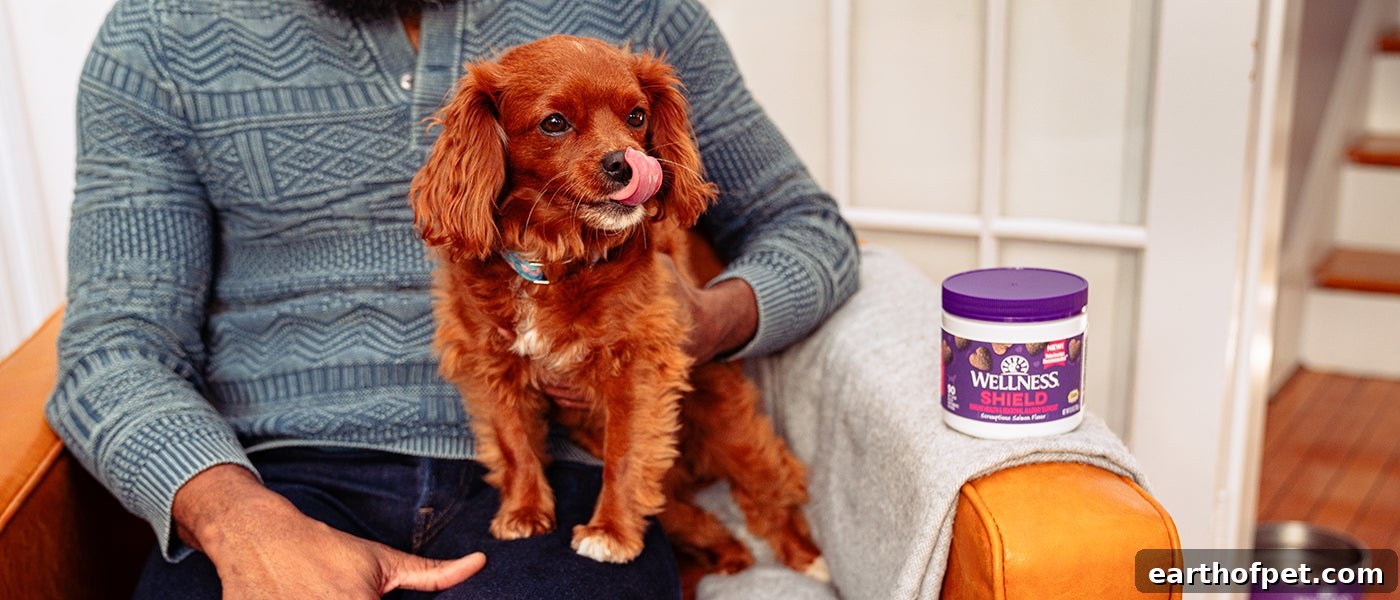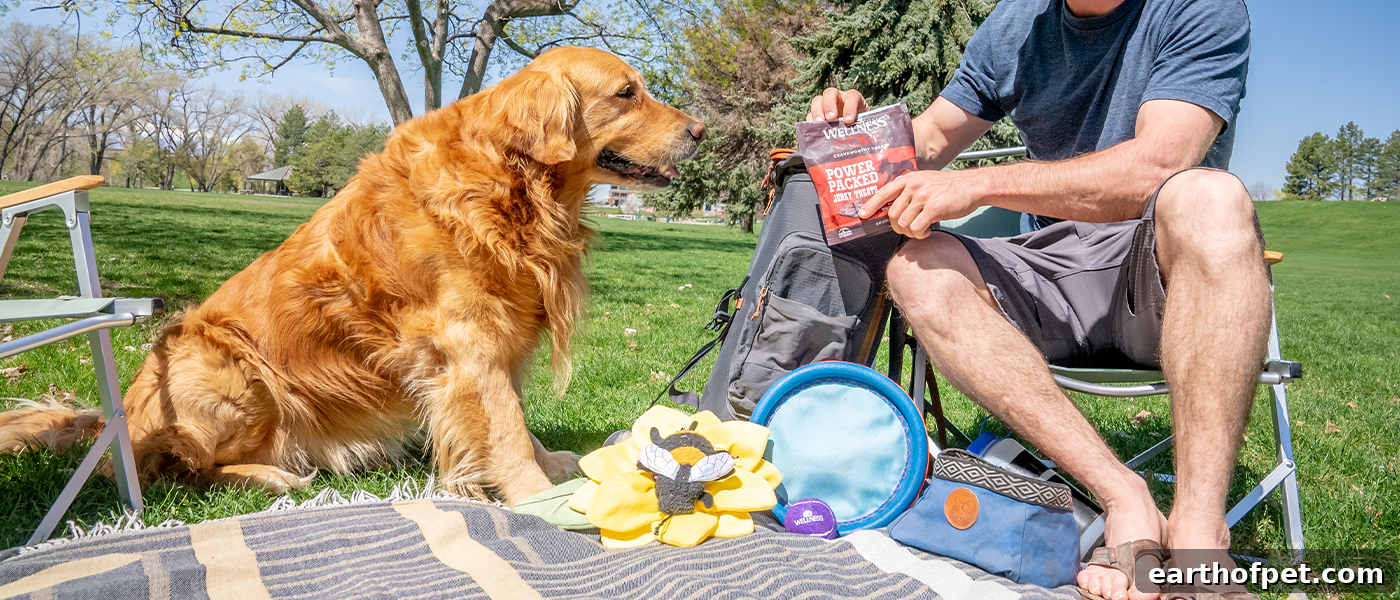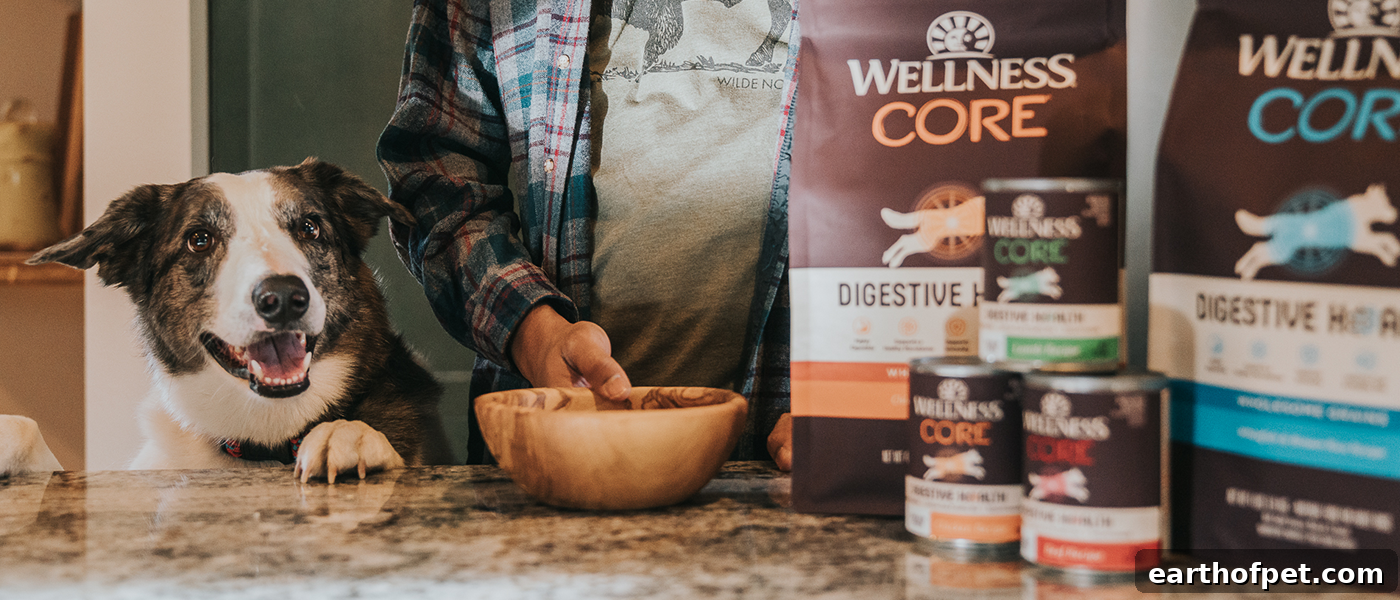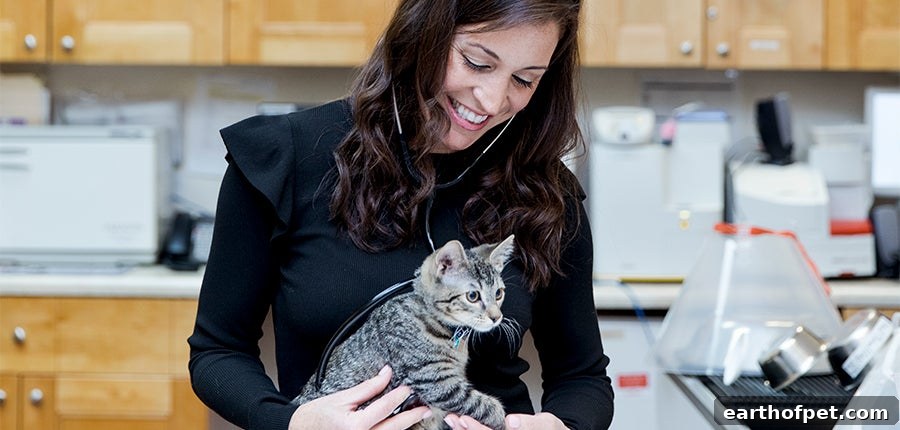
Our pets deserve a fresh start with the new year too. Whether your dog is a devoted foodie or your cat is a selective nibble-lover, small, consistent changes to their diet can improve health, mood, and longevity. Below are nine practical, pet-friendly resolutions to help you build a nutritious, enjoyable eating plan for your furry family members—plus one bonus step that many owners overlook.
1. Upgrade Their Food: Quality Over Quantity
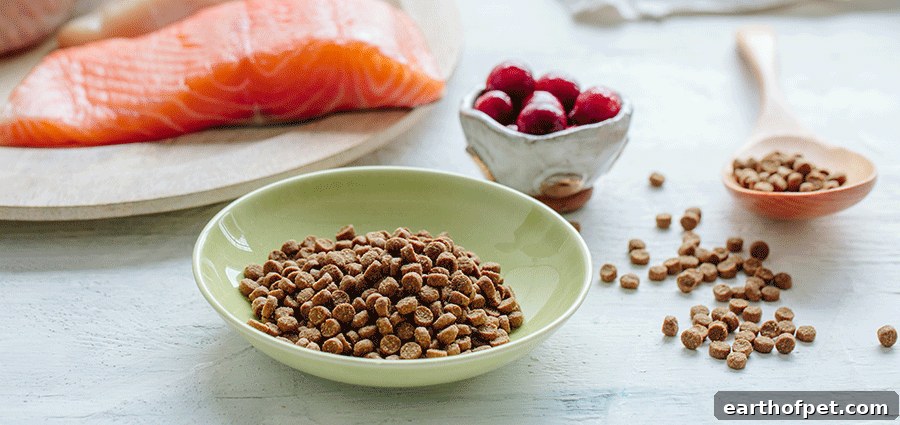
Not all pet foods are created equal. Many mass-market formulas contain fillers, artificial additives, or low-quality protein sources. Moving toward higher-quality, nutrient-dense options can make a measurable difference in your pet’s energy, coat condition, and overall wellbeing.
Resolution: Choose foods with real, named meats as the first ingredient and fewer fillers like corn or soy. Look for complete and balanced formulations appropriate for your pet’s life stage and activity level.
Tip: Ask your veterinarian for recommendations tailored to your pet’s age, breed, and health status. Gradual food transitions over 7–14 days help avoid digestive upset.
2. Add Fresh Ingredients for Variety
Pets, like people, appreciate variety. Adding safe fresh foods to meals can boost flavor and introduce beneficial vitamins and fiber.
Resolution: Supplement your pet’s regular food with small amounts of cooked lean proteins and pet-safe fruits or vegetables. Examples include cooked chicken, plain pumpkin, carrots, or blueberries—served in moderation.
Tip: Research which human foods are safe for dogs and cats, and avoid known toxins such as grapes, onions, garlic, and chocolate. When in doubt, consult your vet before introducing new items.
3. Practice Portion Control: Keep Weight in Check
Extra treats and oversized meals can quickly lead to weight gain. Obesity increases the risk of joint problems, diabetes, and other chronic conditions.
Resolution: Follow portion guidelines on your pet food label and adjust based on your pet’s activity level, age, and body condition. Treats should be kept to a small percentage of daily calories.
Tip: Use a measuring cup or kitchen scale to portion meals. Splitting daily intake into two or more smaller meals can help regulate appetite and digestion.
4. Make Treats Healthier and More Creative
Treats are important for training and bonding, but store-bought snacks can be high in calories and additives. Homemade treats let you control ingredients and portion size.
Resolution: Prepare simple, wholesome treats at home—like baked whole-grain biscuits or frozen pureed fruit and yogurt treats for dogs. For cats, small portions of cooked fish or plain meat can be rewarding.
Tip: Keep treat calories in check and use low-calorie rewards for frequent training sessions. Always avoid toxic ingredients such as xylitol, grapes, or onions.
5. Hydration Is Essential: Fresh Water All Day
Proper hydration supports digestion, kidney function, and overall health. Cats in particular may drink less water, especially if they eat primarily dry food.
Resolution: Ensure fresh, clean water is always available. Consider adding wet food to your pet’s diet to increase moisture intake.
Tip: Some pets prefer running water—pet fountains can encourage drinking. Adding a little low-sodium broth (without onions or garlic) to water occasionally can also entice reluctant drinkers.
6. Consider Special Diets for Specific Needs
As pets age or develop health conditions, their nutritional requirements change. Tailored diets can support joint health, digestive sensitivity, or weight management.
Resolution: Reassess your pet’s diet regularly and discuss targeted formulations with your veterinarian. Therapeutic or prescription diets may be appropriate for certain conditions.
Tip: Many reputable brands offer life-stage and condition-specific options. Your vet can help match the right product to your pet’s needs.
7. Slow Down Mealtime: Encourage Mindful Eating
Fast eating can cause bloating or vomiting, while picky eating may mask underlying issues. Encouraging a steady pace and engaging mealtime can improve digestion and satisfaction.
Resolution: Use slow-feed bowls for gulpers and puzzle feeders or food-dispensing toys for pets who need enrichment or to slow their intake.
Tip: Rotate feeding methods and textures to maintain interest. If eating behavior changes noticeably, consult your veterinarian to rule out medical causes.
8. Consult the Experts: Regular Vet Checkups
Veterinary guidance is essential for keeping your pet healthy. Routine exams provide opportunities to review diet, adjust portions, and screen for conditions that affect nutrition.
Resolution: Schedule annual or semi-annual veterinary checkups and bring up any concerns about appetite, weight, or digestion.
Tip: If your pet shows unexplained weight change, lethargy, or digestive symptoms, seek veterinary advice promptly. Early intervention often improves outcomes.
9. Be Patient: Make Changes Gradually
Dietary changes take time. Sudden switches can cause gastrointestinal upset or stress, so introduce new foods slowly and monitor your pet’s response.
Resolution: Implement changes over several weeks, increasing the new food gradually while decreasing the old. Watch for changes in stool, appetite, and energy.
Tip: Keep notes on any diet changes and their effects—this helps you and your vet identify what works best for your pet.
BONUS: Protect Their Health with Pet Insurance
Even with careful diet and preventive care, accidents and illnesses can occur. Pet insurance can help offset unexpected veterinary costs and make care more accessible when your pet needs it most.
Resolution: Consider enrolling in a pet insurance plan that covers accidents, illnesses, and optional wellness benefits to ease financial stress if an emergency arises.
Tip: Compare policies, coverage limits, exclusions, and waiting periods. Enrolling while your pet is young and healthy can reduce premiums and ensure earlier coverage.
Wrapping It Up
The new year is an ideal time to review your pet’s diet and commit to healthier habits. Focusing on better-quality food, balanced portions, hydration, and mindful treats can boost energy, support longevity, and improve behavior. Pair dietary improvements with regular veterinary care and, if appropriate, pet insurance for added peace of mind. Small, consistent changes lead to meaningful benefits—here’s to a year filled with wagging tails, happy purrs, and healthier meals for your companions!