Having a nervous or anxious dog can be challenging. They may bark excessively, tremble during storms, hide when visitors arrive, or display other stressed behaviors. Fortunately, there are practical, proven strategies you can use to reduce dog anxiety and improve your pet’s quality of life. Here are five effective approaches that many dog owners find helpful.
Understanding Dog Anxiety and How to Help Your Furry Friend
Dog anxiety is common and can show up in many ways: whining, pacing, destructive chewing, clinginess, or avoidance. Triggers include loud noises, unfamiliar places, changes in routine, or separation from a trusted person. Left unaddressed, ongoing stress can affect a dog’s behavior and overall health.
Helping an anxious dog begins with recognizing the signs and learning what calms them. There’s no one-size-fits-all solution; the most effective plans combine lifestyle adjustments, training, and, when appropriate, additional therapies. Below are practical, easy-to-implement methods that target the most common causes of canine anxiety. As you try different approaches, observe your dog closely and adapt what you do to their individual needs.
1. Exercise: A Key to Easing Dog Anxiety
Regular physical activity does more than keep your dog fit—it helps regulate mood and reduces excess energy that can fuel anxious behavior. Here’s why exercise matters and how to get the most benefit for an anxious dog:
- Stress Relief: Exercise triggers the release of endorphins and other calming chemicals, helping your dog feel more relaxed.
- Routine and Predictability: Scheduled walks and playtimes give anxious dogs a dependable rhythm to their day, which promotes security.
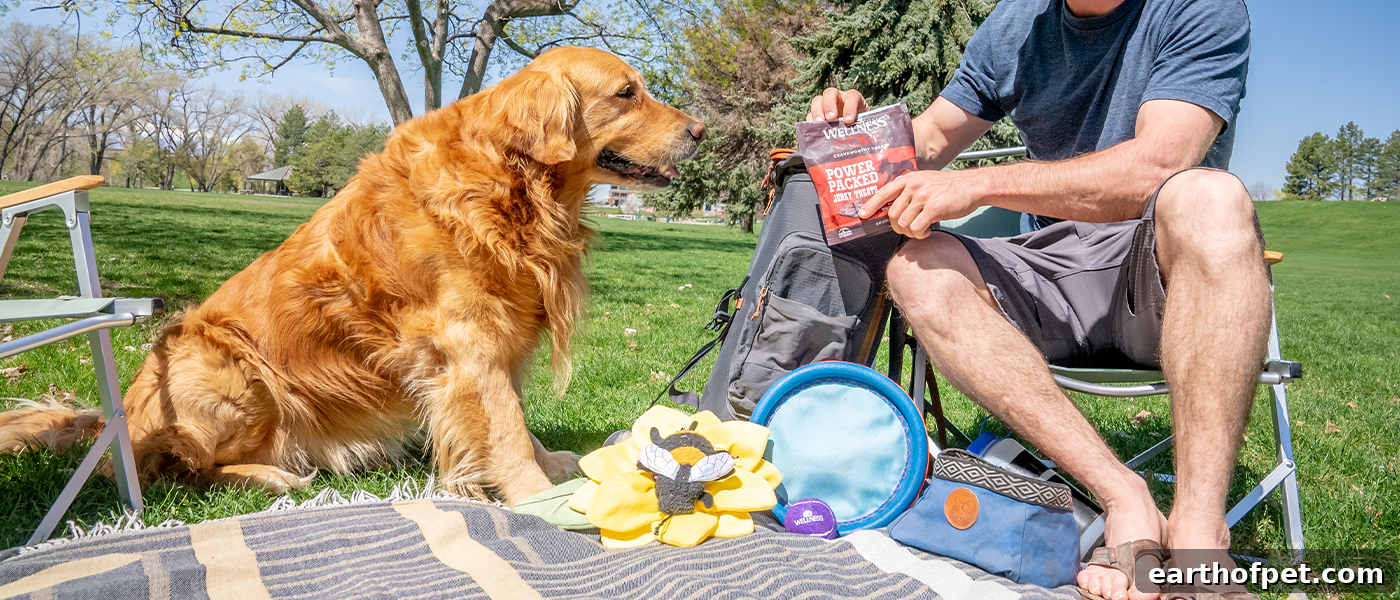
- Healthy Distraction: Activities like fetch, scent work, or agility exercises shift a dog’s focus away from stressors and toward positive tasks.
- Socialization Opportunities: Controlled outings to parks or on-leash meetings with calm dogs can build confidence and reduce fear of unfamiliar people or animals.
- Better Sleep and Calm: A well-exercised dog is more likely to rest peacefully and show fewer anxiety-driven behaviors at home.
2. Music: The Soothing Power of Sound for Anxious Dogs
Ambient sound can be a surprisingly effective tool for calming a nervous dog. Music creates a predictable, soothing backdrop that reduces sensitivity to sudden noises and promotes relaxation.
- Choose Calming Genres: Many dogs respond well to soft classical pieces, mellow acoustic tracks, or gentle instrumental music. Experiment to see what your dog prefers.
- Mask Stressful Noises: Playing calming music during thunderstorms, loud neighborhood activity, or fireworks can help buffer the impact of frightening sounds.
- Build Positive Associations: Use the same calming playlist during rest times or when practicing relaxation exercises so your dog begins to associate the music with safety.
3. CBD: A Potential Natural Aid for Dog Anxiety
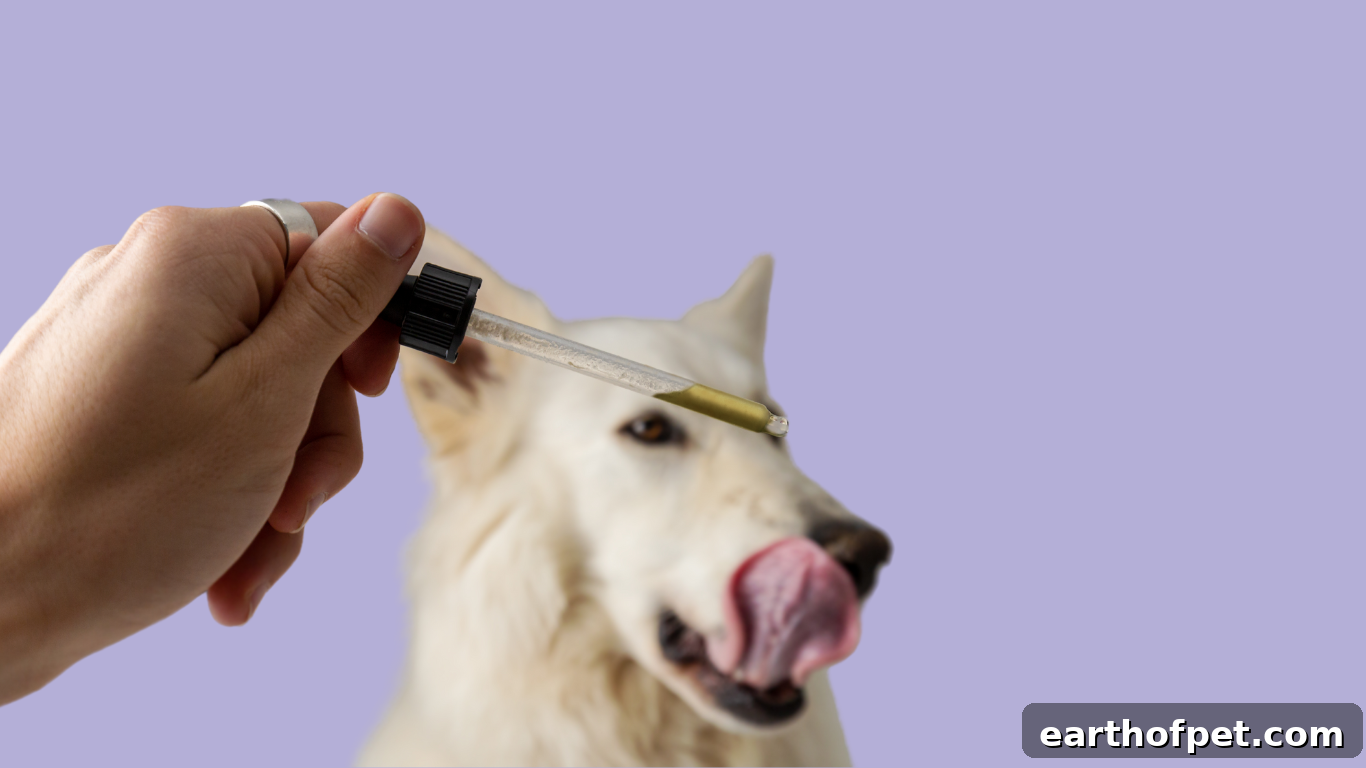
CBD (cannabidiol) is a compound derived from hemp that some owners and veterinarians are exploring as a supplement to help reduce anxiety in dogs. While early anecdotal reports and limited studies suggest it may offer benefits for certain animals, research is still developing and results vary by individual dog.
- How It May Work: CBD is thought to interact with the endocannabinoid system, which plays a role in regulating mood, stress responses, and general balance in the body.
- Evidence and Caution: Scientific data on CBD for canine anxiety is still emerging. Some pets show noticeable improvement while others do not. It’s important to be cautious and realistic about expectations.
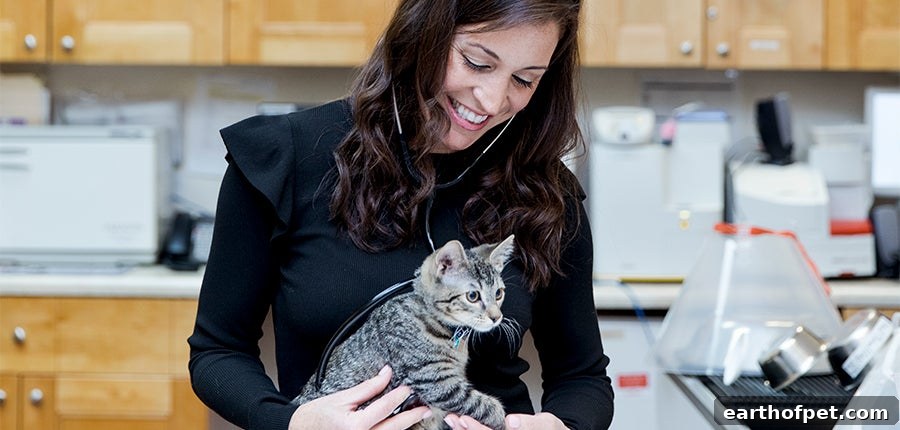
- Talk to Your Veterinarian: Before trying CBD, consult your veterinarian to discuss dosage, possible interactions with other medications, and whether it’s appropriate for your dog’s specific health needs.
4. Safe Spaces: Creating a Comfort Zone for Anxious Dogs
A designated safe space gives a dog a quiet, predictable place to retreat when they feel stressed. Creating a comforting environment can reduce panic and help your dog self-soothe.
- Pick a Quiet Spot: Choose a calm corner of your home away from heavy foot traffic and loud appliances.
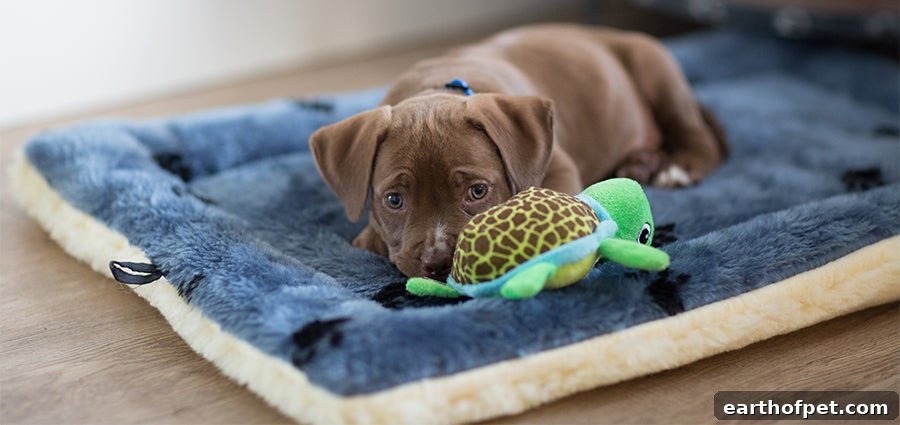
- Make It Comfortable: Provide a soft bed or crate with blankets, favorite toys, and an item with your scent to make the area inviting and reassuring.
- Keep It Consistent: Encourage your dog to use the space regularly so it becomes an automatic go-to when they feel anxious.
5. Patience and Understanding in Easing Dog Anxiety
Managing anxiety is a gradual process that requires patience, consistency, and attentive care. Progress may be slow, but steady effort and empathy yield the best long-term results.
- Combine Strategies: Using exercise, calming music, a safe space, and training together usually works better than relying on any single method.
- Monitor and Adapt: Track how your dog responds to each approach and adjust routines and tools to match their comfort level.
- Seek Professional Help When Needed: If anxiety is severe or persistent, consult a veterinarian or certified animal behaviorist for a tailored plan that may include behavior modification or medical options.
Your attention, consistency, and patience are the most valuable tools in helping an anxious dog. By creating a predictable routine, offering comforting environments, and exploring supportive therapies under veterinary guidance, you can significantly reduce your dog’s stress and help them live a calmer, happier life.
Keep observing and learning what works best for your pet—over time, most dogs respond well to thoughtful care and supportive strategies.