5 Common Cat Sleeping Positions and What They Mean
Few things are as endearing as a sleeping cat. One moment they’re darting around the house, batting at toys or walking across your keyboard, and the next they look utterly peaceful. Cats adopt a variety of sleeping postures, and while some positions may seem awkward to us, they serve specific comfort or safety purposes for the cat.
When interpreting a cat’s sleeping position, keep in mind the animal’s personality and the current environment. Some cats have go-to poses they favor regardless of circumstances; others shift positions based on temperature, security, or alertness. Below are five common cat sleeping positions and what each typically signals about your cat’s state of mind and needs.
-
Curled-Up Cat Ball
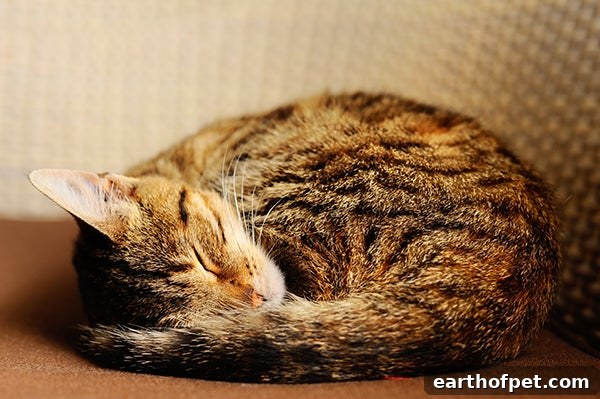
When a cat curls tightly into a ball with its tail wrapped around the body, it’s conserving warmth and protecting vital organs. This compact posture is a practical way to retain heat, so you’ll often see it more in cooler conditions. The curled-up position also has a defensive aspect: by making themselves smaller and shielding their belly, cats reduce vulnerability to potential threats.
Indoors, a curled-up cat may simply be cozy or a bit chilly. It can also indicate the cat prefers to be undisturbed or that the environment is causing mild concern. Observing other cues—such as ear position, breathing, and whether the cat tenses when approached—helps clarify why they chose this posture.
-
Belly Up
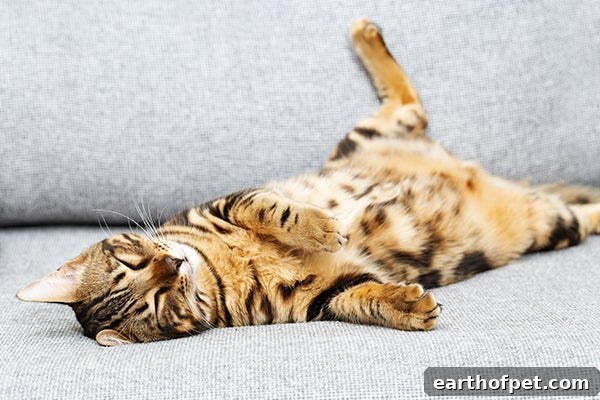
A cat lying on its back with its belly exposed is showing exceptional trust and relaxation. Because the belly houses important organs, exposing it means the cat feels secure in its surroundings. This is one of the most vulnerable sleeping positions, and you’ll usually see it only in cats that are very comfortable at home.
Resist the temptation to rub the exposed belly—many cats don’t enjoy sudden contact there and may react defensively despite appearing relaxed. Outdoor cats rarely sleep on their backs because it leaves them too exposed to predators.
-
Meatloaf
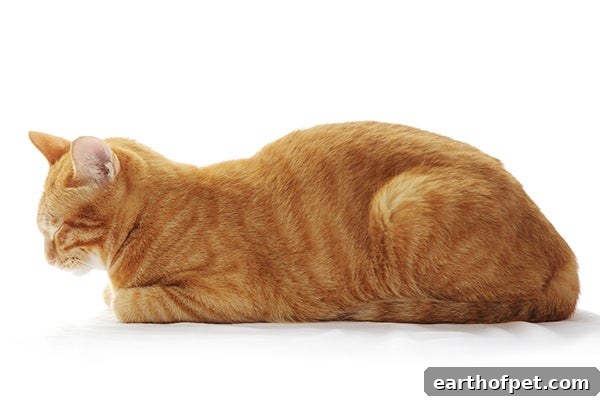
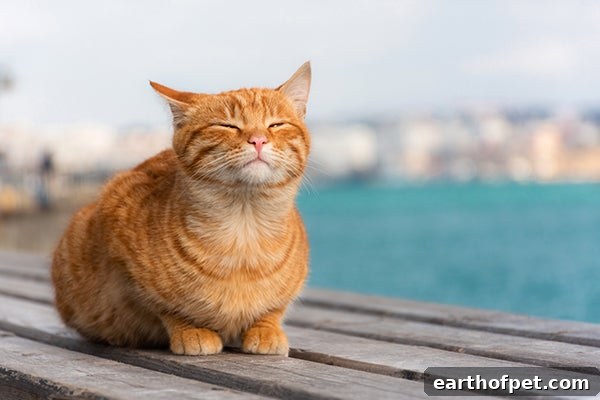
The “meatloaf” or “loaf” position—where the cat sits with paws tucked neatly underneath—signals a light sleep or rest. There’s a full meatloaf with paws completely hidden and a modified version with paws slightly visible. This posture lets the cat stay relatively comfortable while remaining ready to move quickly if needed.
Because meatloaf is a restorative but alert pose, you’ll often see cats use it for short naps or when they want to rest while still monitoring their surroundings. It’s a common daytime position and a sign that your cat feels reasonably safe but not fully settled into deep sleep.
-
Sideways
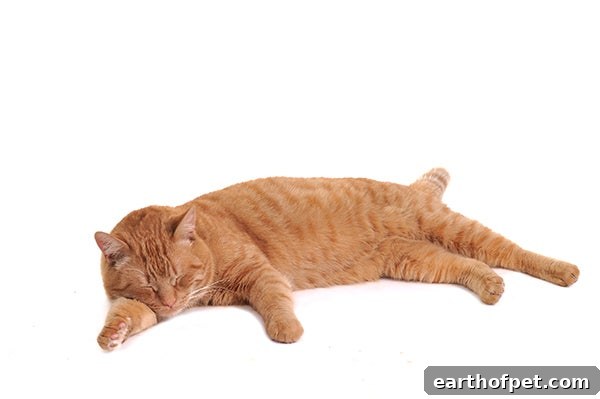
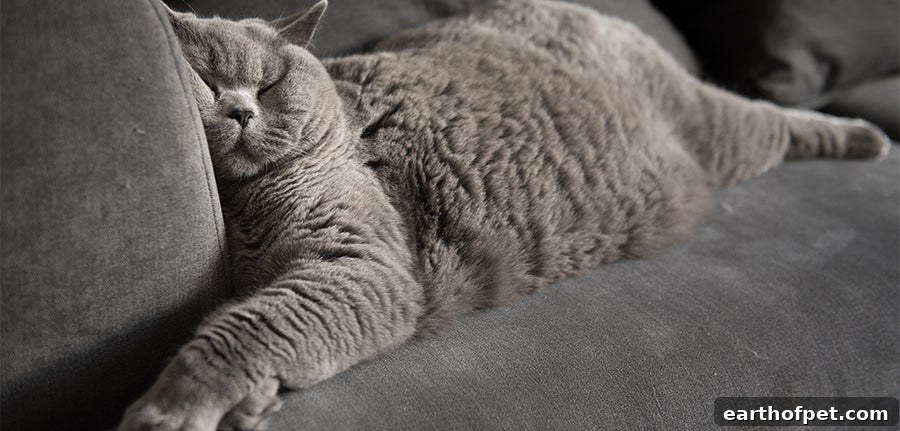
When a cat stretches out on its side, it’s usually in a deeper, more relaxed sleep than in the meatloaf position. This posture exposes the belly area more than meatloaf but less than full belly-up, so the cat trusts its environment while remaining somewhat ready to react.
Side sleeping can also help a cat cool down; spreading out exposes more surface area to the air and can lower their body temperature. If your cat shifts to this position on hot days, temperature regulation may be the primary reason.
-
One Eye Open
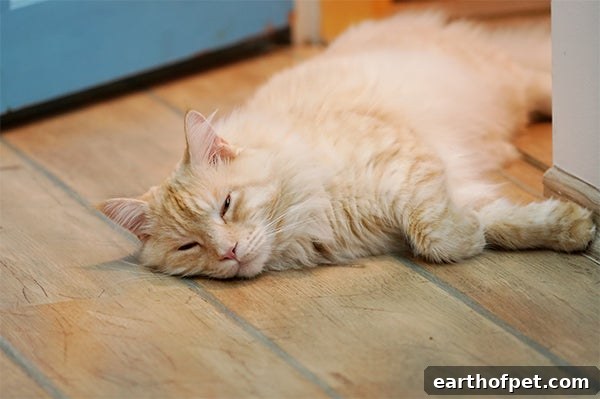
The “one eye open” look—where a cat appears to be dozing with one eye partially or fully open—is really a light-resting state rather than true sleep. Cats in this posture remain semi-alert, often moving their ears to track sounds. This position is common in noisy environments, when others are nearby, or when the cat feels mildly uneasy.
Resting with one eye open lets a cat quickly assess opportunities or threats without committing to deep sleep. It’s a flexible, cautious pose that reflects the animal’s attention to its surroundings.
There Are Many Cat Sleeping Positions
These five positions are among the most common and easiest to read, but cats adopt a wide variety of other poses—some quirky and seemingly uncomfortable—that suit their comfort, safety, and body temperature needs. Pay attention to your cat’s usual behavior and the situations that trigger specific postures to better understand their preferences and emotional state.
Does your cat favor one of these positions, or do they have an unusual sleep pose all their own?