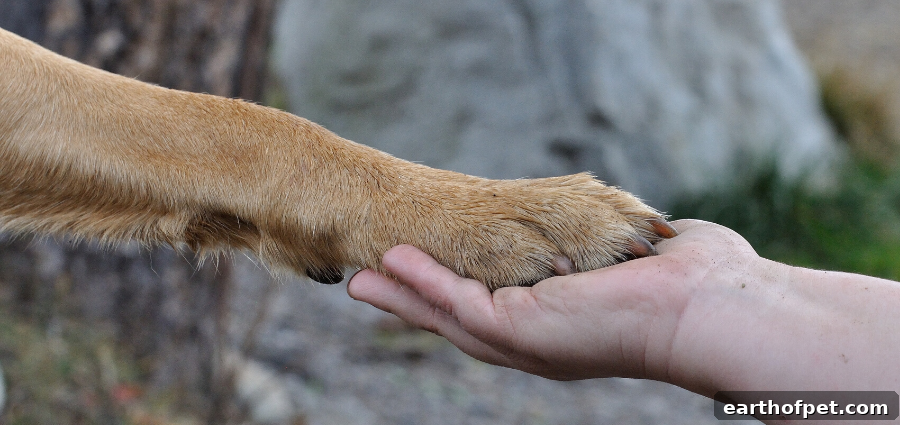
There is a good reason dogs are called humanity’s best friends. From the moment a new dog joins your household, they will do their best to be your loyal companion, attentive protector, cozy couch partner, and an adored member of the family. Whether you bring home a wriggly puppy or welcome a senior dog from a shelter, adopting a dog is a joyful and life-changing decision. However, it’s not a choice to take lightly—bringing a dog into your life is a long-term commitment. If you’re adopting a dog for the first time, these practical tips will help you prepare and make the transition smoother for both of you.
1. Make Sure You’re Truly Ready

Owning a dog requires time, attention, and money. Before adopting, honestly assess your lifestyle and finances. Do you have the daily time to walk, play with, and groom a dog—or can you reliably arrange for pet care while you’re at work? Can you commit to regular training and socialization, and to veterinary care like vaccinations, preventive medications, and occasional emergency care? Dogs live for many years; adoption is a long-term responsibility that affects your schedule, travel plans, and household budget.
Consider practical needs as well: will your living situation allow a dog to exercise safely? Is your landlord and lease dog-friendly? If you travel frequently, will you board or hire pet sitters? Answering these questions up front will help you choose the right dog and avoid future problems.
2. What Breed To Look For When Adopting A Dog
Matching a dog’s temperament and energy level to your lifestyle is one of the most important parts of successful dog adoption. Active people who enjoy running, hiking, or daily long walks may do best with sporting or working breeds that need plenty of exercise. People living with allergies should look for low-shedding or hypoallergenic breeds. If you live in an apartment or have limited outdoor space, smaller companion breeds or lower-energy adults may be a better fit.
If you have children, consider breeds known for patience and gentle behavior, and always introduce a new dog to your family slowly and under supervision. For adopted adult dogs, spend time learning their background and watching how they react in different situations—shelter staff can often share useful behavior and health information. Some rescue dogs will require extra patience, training, or medical care, but with the right preparation they can become loving, loyal companions.
3. Prepare Your House and Family

Make your home dog-safe before your pet arrives. Remove or secure poisonous plants, small objects that could be swallowed, exposed electrical cords, and household chemicals. Store valuable or fragile items out of reach, and set up gates or closed doors to limit your dog’s access as they learn the household routine.
If you have children, talk with them about appropriate behavior around the dog—how to approach, how to pet gently, and when to give the dog space. Allocate family responsibilities so everyone understands who will walk, feed, groom, and supervise the dog. Clear expectations help a new dog settle in and ensure consistent care.
4. Stock Up On the Right Supplies
Your new dog will need a few essential items from day one: a sturdy collar and leash, a properly sized crate or safe resting area, food and water bowls, age-appropriate high-quality dog food, grooming tools, and toys that encourage safe chewing. Keep fresh water available at all times and change it regularly.
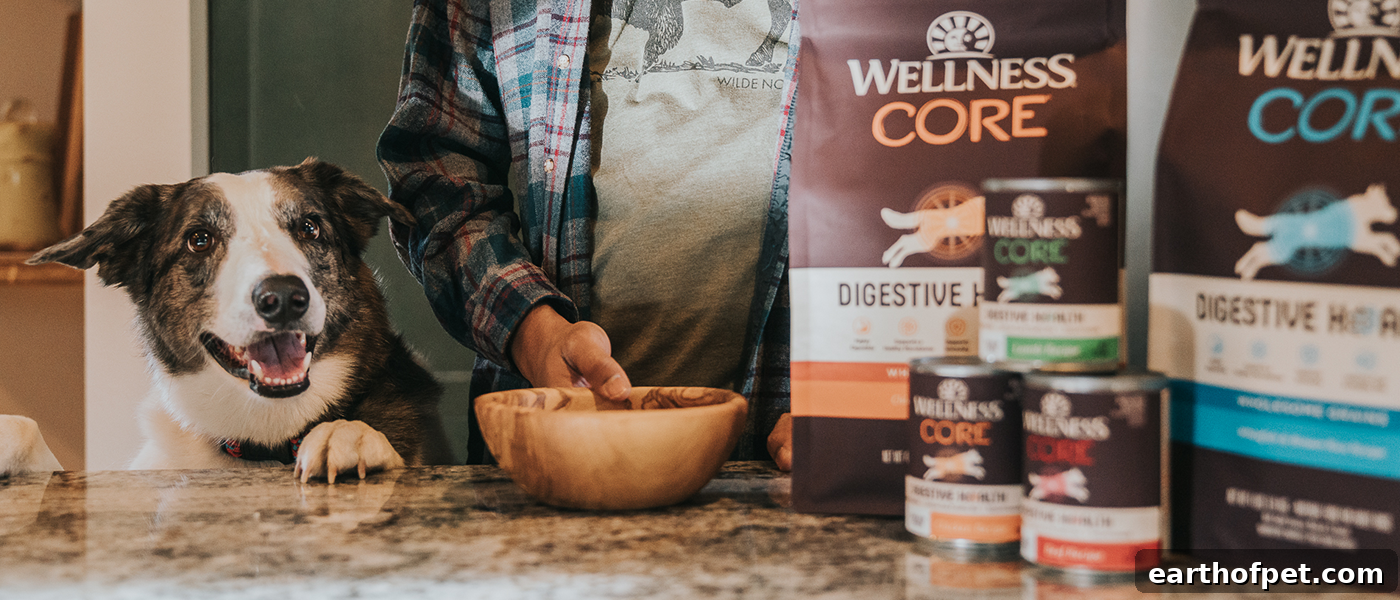
Choose a nutritious diet tailored to your dog’s life stage, breed size, and health needs—high-quality commercial dog foods formulated by reputable manufacturers offer balanced nutrition. Avoid low-quality products with excessive fillers and byproducts; a healthy diet supports better digestion, coat condition, and overall wellbeing.
Decide whether your dog will live primarily indoors or outdoors. Indoor dogs need a comfortable, quiet place to sleep and thrive on social interaction. If a dog lives outdoors, provide a secure fenced area and a sheltered, insulated space that protects from wind, rain, and extreme temperatures.
5. Spend Quality Bonding Time

Plan your dog’s arrival so you can spend focused time together—ideally over a weekend or during days off—so they can adjust and learn your routines. Start with short, calm introductions to different parts of the home and family members, and gradually build up activity and training sessions. Positive reinforcement, consistent rules, and gentle patience speed the bonding process.
Introduce basic training and house manners early: consistent feeding times, a bathroom routine, leash training, and simple commands are foundations for a well-adjusted dog. Even older dogs respond well to positive training and can learn new skills. Most importantly, enjoy the process and celebrate small victories—the companionship you gain from adopting a dog is deeply rewarding.
If you’re looking to adopt, reach out to local animal shelters, rescue groups, or reputable adoption organizations in your area to find dogs in need of a loving home. With preparation, patience, and care, you’ll create a strong, lasting bond with your new companion.