Bengal Cat: Wild Looks, Domestic Personality
Bengal cats represent one of the most distinctive modern cat breeds, combining wild, exotic appearance with domestic temperaments. These athletic, energetic cats challenge traditional assumptions about feline behavior through their dog-like personalities and active engagement with their families. Understanding Bengals fully requires appreciating their unique characteristics, substantial activity needs, and complex behavioral traits.
Breed Development and Origins
Bengal cats were deliberately developed by breeding domestic cats with Asian Leopard Cats, a small wild feline species. The first Bengals were created in the 1960s by Jean Sugden Mill, who sought to create domestic cats with wild appearance.
Modern Bengals are several generations removed from Asian Leopard Cats. Foundation Bengals may contain significant wild genetics, while show-quality Bengals are typically five or more generations from Asian Leopard Cat ancestors.
The breed aims to combine the wild beauty of leopards with truly domestic temperaments suitable for families. Responsible breeders focus on creating genuinely domesticated cats with stable, reliable temperaments.
Distinctive Physical Characteristics
Bengals are immediately recognizable by their exotic wild appearance. They have muscular, athletic builds with longer hind legs, creating characteristic posture reminiscent of wild cats.
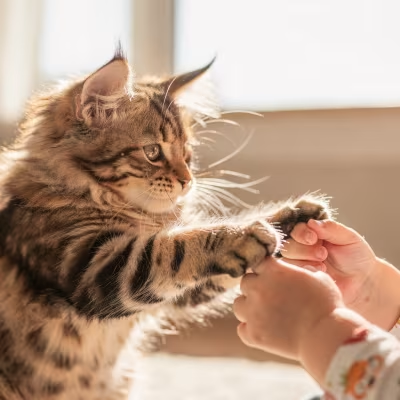
Their coats display distinctive spotted or marbled patterns resembling wild leopards or ocelots. Spots should be distinct, random, and three-dimensional. Marbled patterns resemble swirled marble or water patterns. Colors range from brown, silver, to charcoal and gold.
Their coats are short, thick, and possess distinctive glitter—a shimmery appearance making coats sparkle in light. This glitter is highly prized and sets Bengals apart from spotted domestic cats.
Bengals have large ears positioned high on their heads, wild-cat-like features. Their eyes are typically round and gold, green, or yellow. Their strong jaws and prominent whiskers contribute to their exotic appearance.
Males typically weigh 10-16 pounds, while females are slightly smaller at 7-12 pounds.
Temperament and Personality
Despite wild appearance, well-bred Bengals possess genuinely domestic, often dog-like temperaments. They're highly intelligent, curious, and interactive with families.
Bengals are extraordinarily active and athletic. They require extensive exercise and stimulationmental stimulation. These cats climb, jump, explore, and engage constantly with their environments.
Many Bengals enjoy water, unusual for most cats. They often play in water and may join owners during showers or baths.
They're highly social and people-oriented, wanting constant interaction and engagement. Many follow owners throughout homes and require active participation in family life.
Bengals are playful throughout their lives, maintaining kitten-like enthusiasm well into adulthood. Interactive play is essential for their wellbeing.
They're intelligent and capable of learning commands, playing fetch, and problem-solving. Many enjoy use training and leash walking.
They can be territorial and have strong prey drives. Early socialization and proper management prevent aggression toward other animals.
Health Considerations
Bengals are generally healthy, though several breed-specific conditions warrant attention. Hypertrophic cardiomyopathy, a heart condition, affects some Bengals. Cardiac screening helps responsible breeders minimize this condition.
Progressive retinal atrophy, an inherited eye condition, can lead to blindness. Responsible breeders conduct eye screening.
Bengal Fever, a genetic skin condition, causes temporary coat loss. This condition is benign but concerning in appearance.
LysosOmal Storage Disease affects some Bengal lines. Genetic testing allows breeders to avoid producing affected individuals.
Responsible breeders conduct health screening and genetic testing before breeding. When selecting breeders, request documentation of health clearances.
Bengals typically live 12-17 years with excellent care.
Exercise and Activity Requirements
Bengals require substantial daily exercise—typically 2+ hours. These athletic cats need vigorous play, climbing, and interactive engagement.
Provide climbing structures, cat trees, and vertical space. Multi-level structures accommodate their athleticism and need for environmental exploration.
Interactive play with fishing-pole toys, feather wands, or ball toys engages their hunting instincts. Daily play sessions maintain physical fitness and mental health.
Many Bengals enjoy use training and outdoor exploration on leashes. This provides environmental enrichment and satisfies their adventurous natures.
Some Bengal owners provide outdoor enclosures (catios) allowing safe outdoor exploration. These structures satisfy outdoor desires while preventing escape and outdoor hazards.
Without adequate exercise and stimulation, Bengals may develop destructive behaviors, excessive vocalization, or aggression.
Grooming and Coat Care
Bengals have short, thick coats requiring minimal grooming. Brush them weekly to maintain coat health and control shedding.
Their glittery coats often don't require bathing, though occasional bathing can enhance coat appearance. Many Bengals tolerate and even enjoy water.
Trim nails every 2-3 weeks. Clean ears weekly. Brush teeth daily to maintain dental health.
Provide scratching posts—their athletic nature means they use scratching posts extensively.
Nutrition and Feeding
Bengals require high-quality diets with adequate protein (30%+ for adults) supporting their athletic, active nature. Feed age-appropriate diets matching their energy levels.
Provide measured portions based on individual activity level. Most Bengals maintain lean body weight naturally due to high activity.
Kittens require specialized kitten food with appropriate nutrient ratios supporting proper growth. Feed kittens 3-4 times daily until 6 months, then transition to twice-daily feeding.
Provide fresh water constantly. Water fountains may encourage hydration in cats preferring running water.
Training and Enrichment
Bengals are highly trainable. Their intelligence and interest in human interaction facilitate learning.
Early socialization ensures confidence around various people and situations. Proper socialization minimizes territorial aggression.
Many Bengals learn commands, play fetch, and respond to training. Use positive reinforcement—treats and praise—to encourage desired behaviors.
Puzzle toys, enrichment feeders, and training sessions provide essential mental stimulation. Without adequate mental engagement, Bengals become bored and problematic.
Social Needs and Compatibility
Bengals need regular human interaction and shouldn't be left alone for extended periods. They suffer from isolation and may develop anxiety.
They're generally territorial toward other cats. Early socialization can facilitate peaceful coexistence, but many Bengals prefer being only cats.
Their prey drive means they may not be safe with small animals. Supervision is essential if living with small pets.
They're ideal for active families wanting interactive cats. Sedentary owners may struggle with their activity needs.
Creating Appropriate Environments
Bengals need substantial space and environmental complexity. Apartments accommodate them only if owners provide extensive enrichment.
Multi-level cat trees, wall-mounted shelves, and vertical space are essential. These athletic cats need to climb and explore.
Windowsill perches provide bird-watching entertainment. Outdoor views satisfy their observational nature.
Interactive toys, puzzle feeders, and regular play sessions maintain mental and physical engagement.
Special Considerations
First-Generation Bengals: F1 and F2 Bengals contain significant wild genetics and may have unpredictable temperaments. They're typically unsuitable for families and require experienced owners. Select established breeders producing Bengals many generations from Asian Leopard Cat ancestors.
Foundation Bengals: Even later-generation Bengals may retain some wild instincts. Proper socialization and management are important.
Is a Bengal Cat Right for You?
Bengals suit active families wanting interactive, athletic cats. They're ideal for people appreciating their wild appearance and active engagement.
They're not appropriate for people wanting calm, independent cats. Bengals demand activity and interaction.
They're unsuitable for apartment dwellers unwilling to provide extensive enrichment. Space and activity are essential.
They're perfect for experienced cat owners prepared for their unique needs. First-time cat owners might struggle with their demands.
Conclusion
When people talk about the Bengal Cat, they usually mention Their wild appearance, combined with active, intelligent, dog-like personalities, creates unique feline companions.. For owners prepared for their substantial exercise and enrichment needs, Bengals become extraordinary family members.. Their athletic prowess, intelligence, and genuine affection reward their owners' commitment with years of exciting companionship.

0 Comments
No comments yet. Be the first to share your thoughts!
Leave a Comment