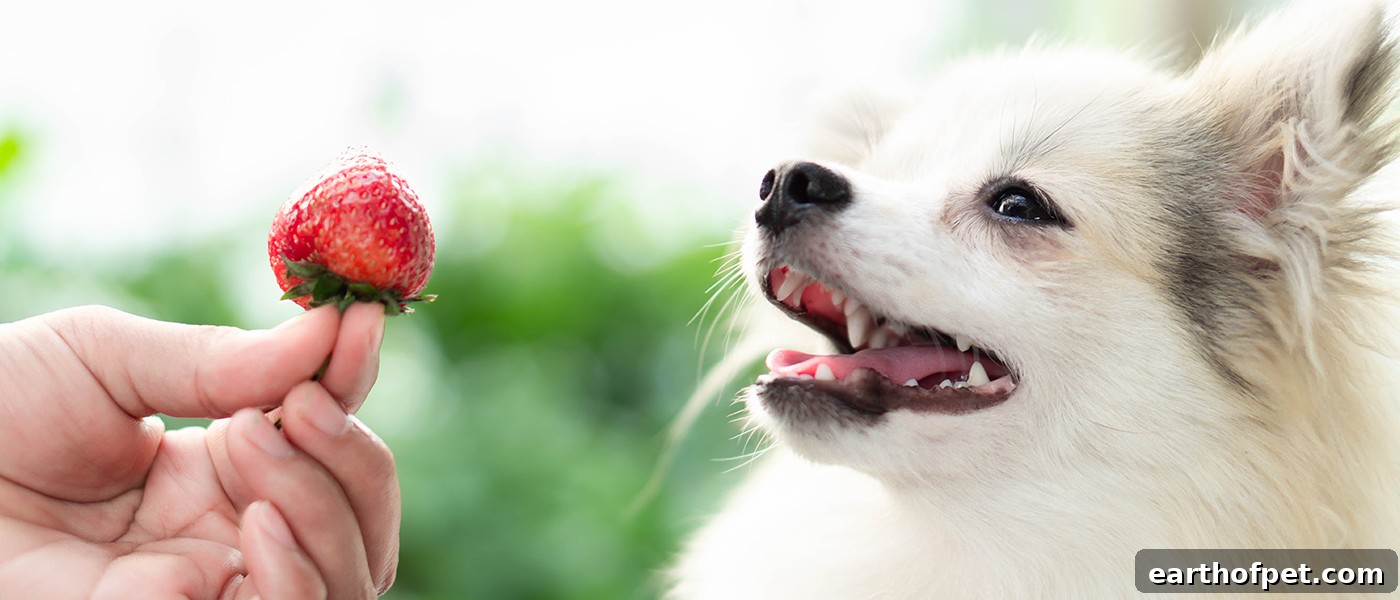
Human foods dogs can eat
Watching your dog beg for a bite of your snack is a common scene. Many human foods are safe for dogs in moderation, while others are harmful or even toxic. Knowing which human foods dogs can eat, how to prepare them, and how often to offer table treats will help keep your pet healthy and happy.
Are strawberries good for dogs? Can dogs eat pears? Other common questions
Yes—strawberries are safe for most dogs in small amounts. Pears are also fine when you remove the core and seeds; apple and pear seeds contain trace compounds that are best avoided. As with all human foods, prepare fruits and vegetables plain, without added sugar, salt, or seasoning, and feed them in moderation.
Human Foods Dogs Can Eat
- Carrots (raw or cooked, cut into bite-sized pieces)
- Apples (core and seeds removed)
- White rice (plain, cooked)
- Plain popcorn (no butter, salt, or flavorings)
- Milk (small amounts; many adult dogs are lactose intolerant)
- Cheese (small amounts; watch for high fat and salt)
- Plain yogurt (unsweetened, low-fat)
- Fish (cooked tuna, salmon, or shrimp; boneless and unseasoned)
- Chicken (plain, boiled or baked, boneless and unseasoned)
- Pork (plain, cooked, trimmed of excess fat)
- Turkey (plain, boiled or baked, boneless and unseasoned)
- Unsalted peanut butter (no xylitol; give sparingly)
- Berries (blueberries, strawberries, blackberries)
- Bananas (in small amounts)
- Pineapple (seedless, in moderation)
- Green peas (fresh or frozen, no added salt)
- Sweet potatoes (cooked, plain)
- Cucumbers (sliced)
- Watermelon (seedless)
- Green beans (fresh or cooked, plain)
- Plain bread (small amounts)
- Oatmeal (plain, cooked)
- Eggs (cooked, no raw eggs)
- Corn (cooked, off the cob)
- Pumpkin (plain canned or cooked, without added sugar)
- Coconut (small amounts of fresh or dried coconut)
- Cashews (unsalted, occasional and in small amounts)
Most of these foods are safe only in limited quantities. High-fat or high-salt items, like too much cheese or peanut butter, can cause digestive upset or pancreatitis in sensitive dogs. Fruits with pits or seeds should be prepared to remove those parts, and cooked meats should be plain and free of bones, excess fat, and seasoning.
Healthy human foods for dogs and why they help
Several items on the safe list supply beneficial nutrients. Vegetables such as carrots, green beans, and sweet potatoes offer fiber and vitamins; berries provide antioxidants; plain yogurt and eggs are sources of protein; and fatty fish like salmon deliver omega-3 fatty acids that support skin, coat, and joint health. These human foods can be useful as occasional toppers, training treats, or meal mix-ins when used sparingly and prepared correctly.
- Carrots
- Green beans
- Eggs (cooked)
- Salmon (cooked, boneless)
- Plain yogurt (unsweetened)
- Chicken (plain, cooked)
- Pumpkin (plain, cooked or canned)
- Berries (blueberries, strawberries, blackberries)
- Pineapple (in moderation)
- Sweet potatoes (cooked, plain)
- Rice (plain, cooked)
- Oatmeal (plain, cooked)
- Coconut (small amounts)
Human Foods That Are Toxic to Dogs
Some common human foods are hazardous or toxic to dogs and should be avoided entirely. Even small amounts of certain items can cause serious illness, so it’s important to keep these foods out of reach and to check with your veterinarian if you suspect ingestion.
- Chocolate
- Cinnamon and nutmeg (concentrated spices can be harmful)
- Ice cream (high sugar and often lactose-containing)
- Onions, garlic, and other alliums
- Grapes and raisins
- Cherries (pits are dangerous)
- Avocado (the flesh and pit may cause problems for some dogs)
- Uncooked yeast dough
- Excessive amounts of cheese or dairy (many dogs are lactose intolerant)
- Coffee and tea (caffeine is toxic)
- Xylitol (an artificial sweetener found in gum, some peanut butters, and baked goods)
- Alcohol
- Lemons and limes (can cause upset and are unpalatable)
- Raw eggs (risk of salmonella and biotin imbalance)
- Excessive salt or sodium
- Almonds and macadamia nuts (can cause vomiting, weakness, and other issues)
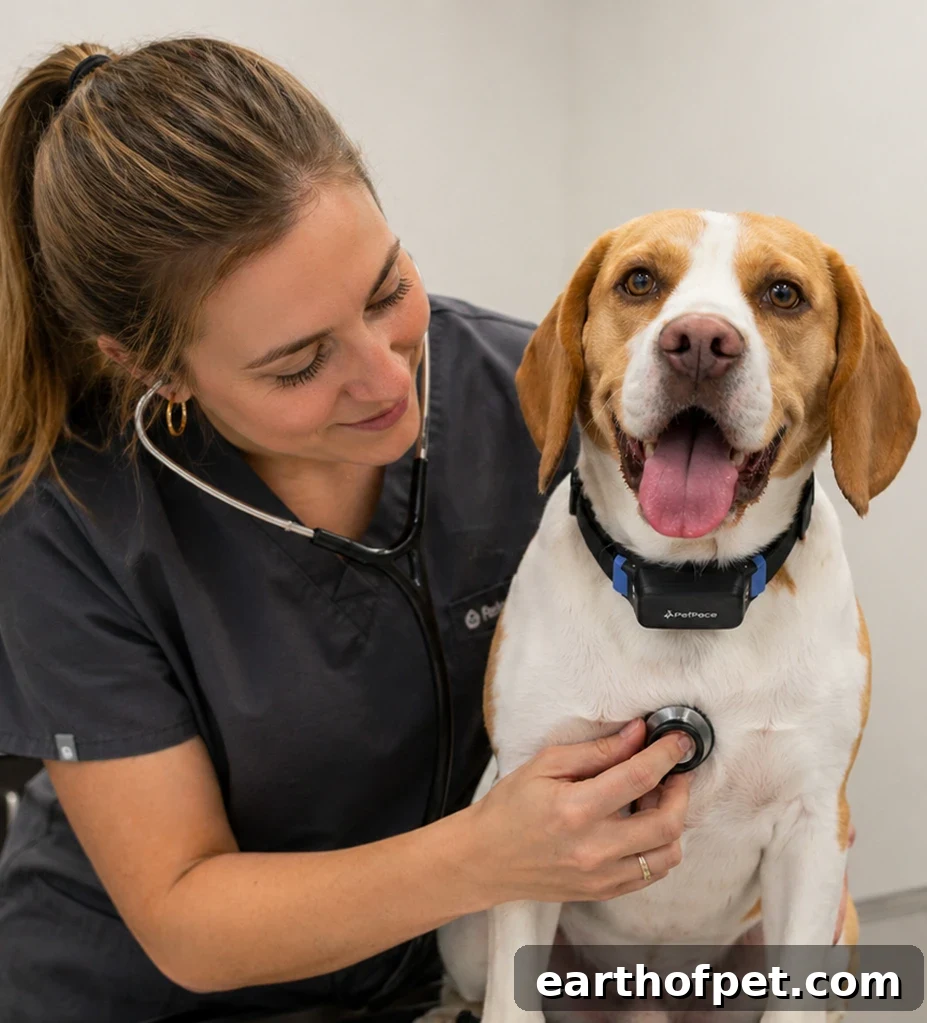
Some of these foods may not produce immediate severe symptoms, but even small exposures to items like xylitol, grapes, or chocolate can be life-threatening. If your dog eats any of these foods, contact your veterinarian or an emergency clinic right away.
How often should dogs eat human foods?
Human foods should be offered sparingly and kept to occasional treats, toppers, or training rewards—not as a replacement for a balanced, species-appropriate diet. Limit portions, avoid added oils, salt, sugar, and seasonings, and always introduce new foods slowly to monitor for digestive upset or allergies. Remove pits, bones, and seeds, cook meats thoroughly, and avoid giving cooked bones (which can splinter).
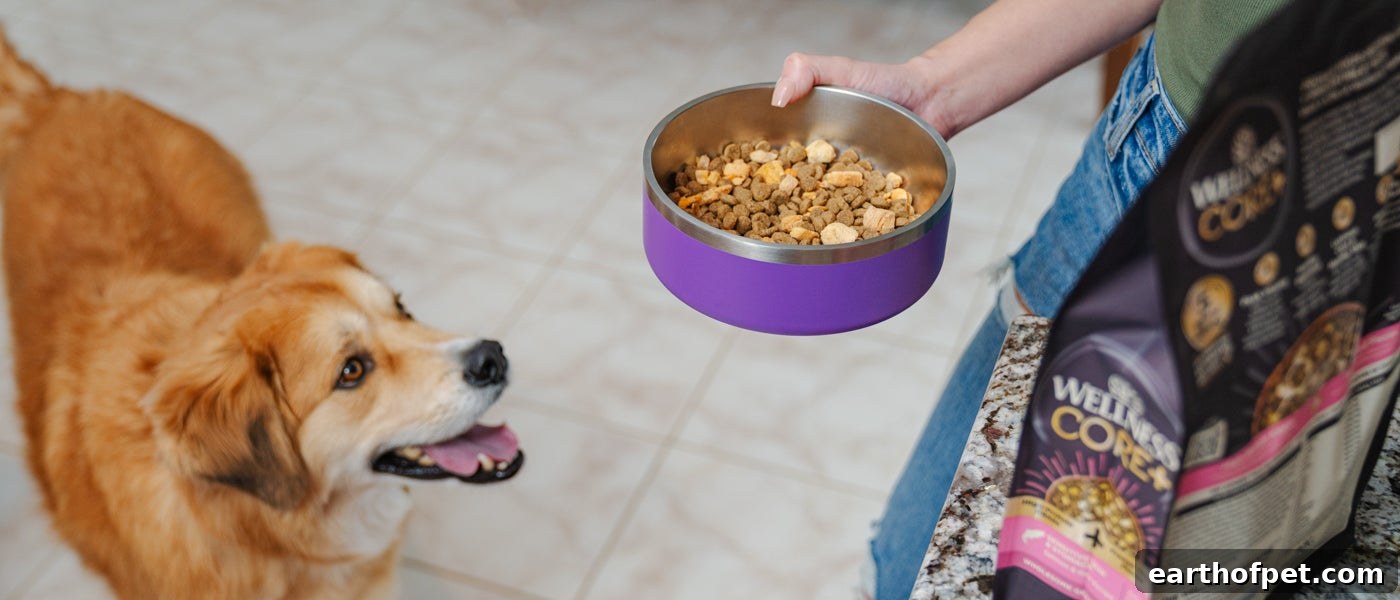
When in doubt about portion sizes, frequency, or whether a specific food is safe for your dog’s age, size, or health condition, consult your veterinarian. For everyday nutrition, a complete commercial dog food formulated for your dog’s life stage and health needs provides balanced vitamins and minerals without the guesswork. Use human foods as occasional, safe additions rather than a primary food source.