Pets, like people, experience pain, but they can’t tell us where it hurts or what’s wrong. They can’t say, “My paws are numb from the cold” or “My stomach suddenly hurts,” so they rely on behavior and body language to communicate discomfort. Pain in animals can arise from many sources, including:
- External injuries or irritations: cuts, burns, scrapes, bruises, fleas, ticks, bites, and other wounds.
- Internal causes: infections, viruses, poisoning, digestive upset, dental disease, joint problems, arthritis, and other medical conditions.
Learning to spot the signs of pain in your pet helps you get timely care and can prevent conditions from worsening.
Changes in Eating and Drinking
Alterations in appetite and thirst are common indicators that a pet is uncomfortable. Signs to watch for include:
- Refusing food or eating much less than usual
- Drinking more or less than normal
- Showing less interest in favorite treats or mealtimes
- Regurgitation or vomiting
These changes may point to many problems. For example, reluctance to eat dry food accompanied by drooling or pawing at the mouth could signal dental or oral pain. Any sudden or persistent change in appetite or drinking habits deserves veterinary attention.
Mood and Behavioral Shifts
Pets often show pain through changes in mood and temperament. A normally easygoing dog or affectionate cat may become withdrawn, irritable, snappy, or unusually aggressive when in pain. Conversely, some animals might seem more clingy or anxious.
Pay attention when a pet’s responses differ from their normal behavior. If a pet that loved to play with children suddenly snaps or avoids contact, that behavioral change can indicate discomfort or pain.
Vocalizations
Pets can “speak up” when they’re hurting. Whining, moaning, yelping, crying out, growling, or prolonged vocalization during movement are common signs. You might hear a groan when a dog lies down or a hiss or growl when a cat jumps down if a joint or muscle is painful.
Grooming Changes and Sensitivity
Excessive or altered grooming can point to both external and internal pain. Pets may lick, bite, or chew at a painful spot, or they may yelp if the area is touched. Overgrooming a specific area can indicate irritation, pain, or an underlying skin or internal issue. Conversely, a decrease in normal grooming can be a sign of discomfort, especially in cats.
Posture, Movement, and Body Changes
Physical changes often accompany pain. Swelling, visible lumps, or wounds should never be ignored, as these could indicate abscesses, infections, or tumors that require veterinary evaluation. Pets in pain may alter the way they sit, lie down, stand, or walk to avoid aggravating the painful area. Look for limping, stiffness, reluctance to jump, or unusual postures—these are important clues.
Reduced Activity and Reluctance to Move
A decline in activity — avoiding play, short walks, or exercises that used to be routine — is a common sign of pain. If a pet resists leash walks, balks at stairs, or avoids running and jumping, consider a medical cause. Loss of interest in normal activities often indicates underlying discomfort.
Hiding and Withdrawal
Hiding is another way pets cope with pain. If a pet seeks out secluded spots, curls up in an unusual place, or withdraws from family interactions, it may be trying to escape a painful condition. This behavior is especially telling when hiding is out of character for the animal.
Changes in Breathing, Heart Rate, and Neurological Signs
Certain physiological changes can signal serious pain or distress. Watch for:
- Heavy or rapid panting
- Fast breathing or rapid heartbeat
- Shaking, tremors, or trembling
Shaking and tremors may indicate severe conditions such as poisoning, pancreatitis, or other systemic illnesses. While older pets may tremble from age-related issues, new or unexplained trembling—especially without cold exposure—should be treated as a potential emergency.
What to Do If You Suspect Pain
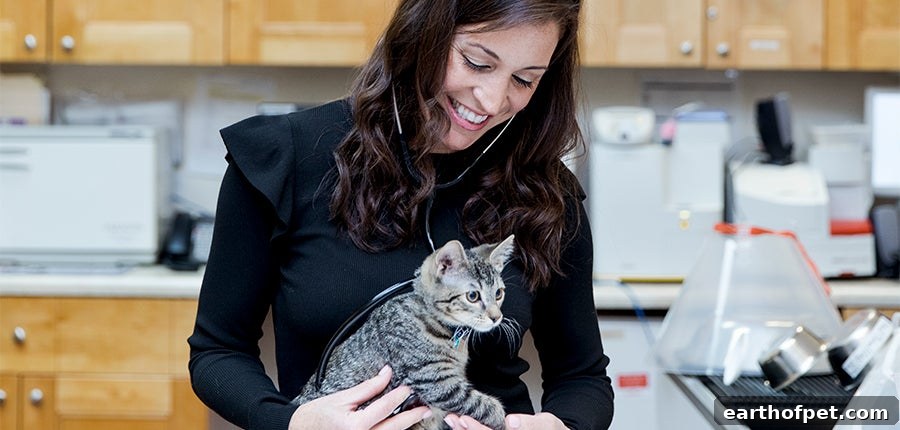
When you recognize signs of pain, avoid attempting a self-diagnosis or treating the problem without professional guidance. The safest course is to schedule a veterinary exam so a trained clinician can identify the cause and recommend appropriate treatment. Prompt veterinary care helps manage pain effectively and reduces the risk of complications.
Preventive care also plays a vital role in reducing future pain. Regular wellness visits, dental care, appropriate nutrition, and age-appropriate exercise help maintain your pet’s comfort and mobility. For example, feeding a diet designed to support joint health can be a helpful part of a broader plan to reduce discomfort, especially in active or senior dogs (help with your dog’s joint health).
Keeping pets comfortable and pain-free is a priority for responsible pet owners and pet food makers alike. We are committed to supporting pet health by offering nutritious recipes for animals at every life stage, helping you prevent and manage painful conditions before they become serious.