8 Benefits of Healthy Dog Gums and Teeth
Good dental care for dogs is about far more than an adorable smile. Healthy dog gums and teeth help prevent plaque and tartar buildup, reduce pain and infection, and support overall physical health and comfort. Plus, better oral hygiene means fresher breath for all those affectionate doggy kisses.
Your dog’s teeth and gums play a vital role in their general well-being. Regular cleaning and routine veterinary dental checks protect more than the mouth—here are eight important benefits of maintaining canine oral health.
Nutrition and Digestion
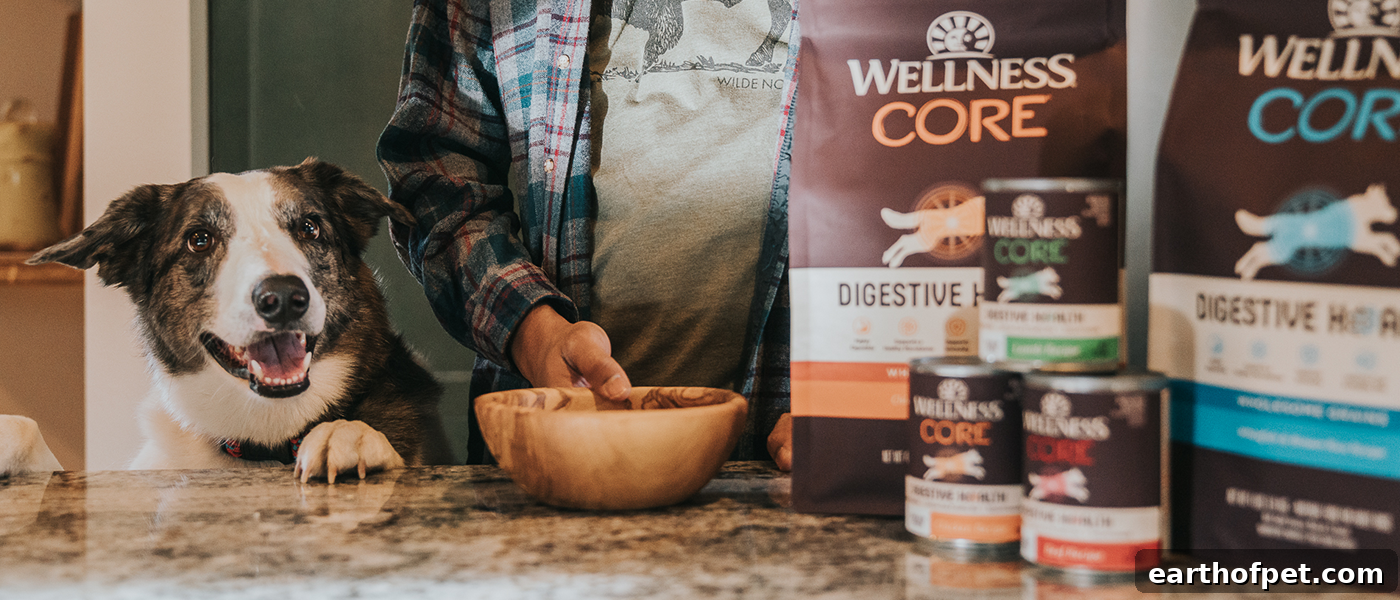
Digestion begins in the mouth. Healthy teeth allow dogs to chew food thoroughly, breaking it into smaller pieces that digestive enzymes can process more effectively. Proper chewing improves nutrient absorption and reduces the risk of choking, vomiting, or other digestive upset that can result from inadequate breakdown of food. In short, maintaining strong teeth and healthy gums supports better digestion and helps your dog make the most of the food they eat.
Better Immune Function
Oral health influences overall immune function. When a dog can chew food properly and absorb a balanced diet’s full range of nutrients, their immune system receives the support it needs to respond to infections and stay resilient. Conversely, chronic oral infections can tax the immune system and leave a dog more susceptible to other illnesses.
Healthier Skin and Coat
Nutrition affects both internal health and outward appearance. Poor oral health can interfere with nutrient intake, and early signs of nutritional shortfalls often show up as a dull coat or increased shedding. Maintaining good dental hygiene helps ensure your dog can extract the proteins, fatty acids, vitamins, and minerals needed for healthy skin and a glossy coat.
Preventing Systemic Problems
Dental disease can allow harmful bacteria to enter the bloodstream and travel to other organs. Left untreated, dental infections may contribute to broader health problems involving the heart, liver, or kidneys. Oral bacteria can also affect the gut microbiome, potentially disrupting digestion, behavior, and immune responses. Regular dental care and prompt treatment of oral infections reduce the risk of these systemic complications.
Better Breath
Bad breath, or halitosis, is one of the most noticeable signs of poor dental health in dogs. Addressing underlying dental issues—both above and below the gumline—can dramatically improve breath odor. Cleaner teeth and gums make everyday interactions like cuddling and kissing far more pleasant for you and your dog.
Reducing the Risk of Tooth Loss
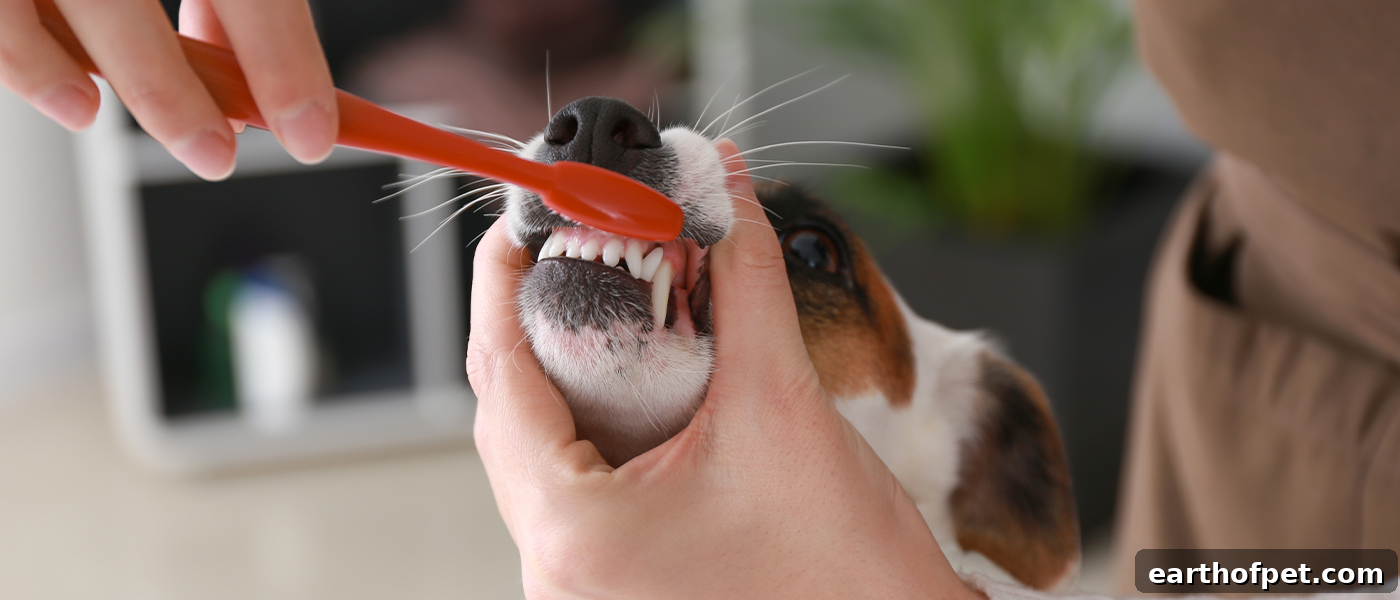
Routine brushing, appropriate chew toys, and professional cleanings help protect teeth from decay and periodontal disease, lowering the chance of tooth loosening or loss. Preserving natural teeth is important for a dog’s ability to eat, play, and enjoy life without pain or limitation.
Improved Quality of Life
Painful dental conditions can make eating and playing difficult or unpleasant, which directly affects a dog’s quality of life. Dogs with oral pain may eat less, lose weight, become irritable, or withdraw from normal activities. Proactive oral care prevents pain and discomfort, helping dogs stay active, social, and engaged.
Emotional Well-being
Chewing is more than a mechanical action—many dogs find it comforting and mentally stimulating. Chewing releases endorphins, natural brain chemicals that reduce stress and create a sense of well-being. Providing veterinarian-recommended chews or safe chew toys supports dental hygiene, exercises the jaw, and offers mental enrichment, all of which contribute to emotional balance.
Healthy Mouth, Happy Dog
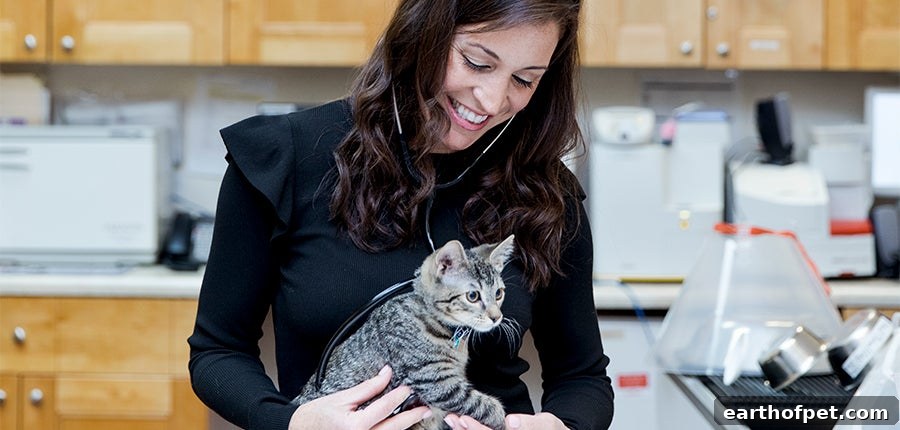
Maintaining your dog’s oral health sends a clear message of care: it helps them eat comfortably, stay active, and enjoy life. Daily habits like brushing with a pet-safe toothpaste, offering appropriate dental chews and toys, and scheduling regular veterinary dental exams make a big difference. Watch for warning signs—persistent bad breath, drooling, bleeding gums, difficulty eating, or visible tartar—and consult your veterinarian if you notice any concerns. A few minutes each day of dental care can yield long-lasting benefits for your dog’s health, comfort, and happiness.