While the playful kitten and puppy years seem to last forever, most cats and dogs enter their senior stage around six to seven years of age. Senior years bring increased risk for health problems, but many of these can be prevented or managed with early detection and consistent care. Understanding common issues and adopting a proactive approach to senior pet care can help your companion stay comfortable, active, and happy for many more years.
Preventative Healthcare for Senior Pets
Proactive care is the cornerstone of good senior pet health. Regular monitoring, preventive treatments, and lifestyle adjustments help detect problems early and support long-term wellbeing.
Proactive health care includes:
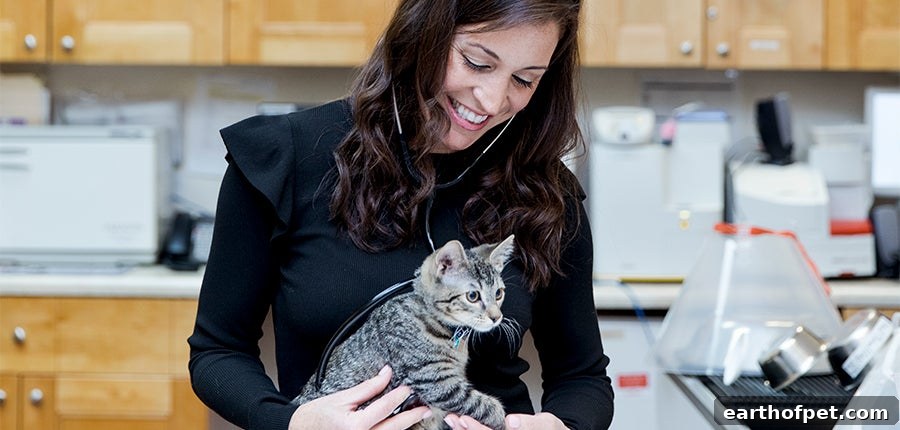
- Regular veterinary checkups – Annual—or more frequent—wellness exams let your veterinarian spot early signs of disease, recommend diagnostic testing when needed, and tailor diet or supplement advice to your pet’s breed, weight, and medical history.
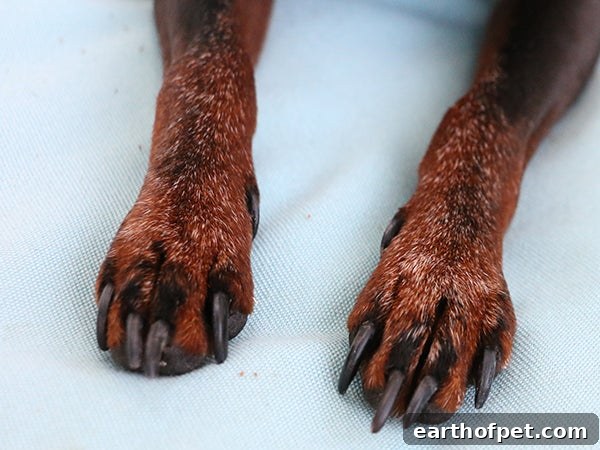
- Thorough grooming and hygiene – Older pets often need extra grooming help. Routine tasks like bathing, brushing, ear cleaning, and dental care also create opportunities to check for skin issues, lumps, loose or missing teeth, eye changes, and parasites. Regular inspections at home help you notice subtle changes sooner.

- Consistent, appropriate exercise – Remaining active helps maintain muscle tone, joint mobility, and cardiovascular health. Adjust the intensity and duration of walks and play sessions to match your pet’s abilities, and keep activity consistent rather than letting them become sedentary.
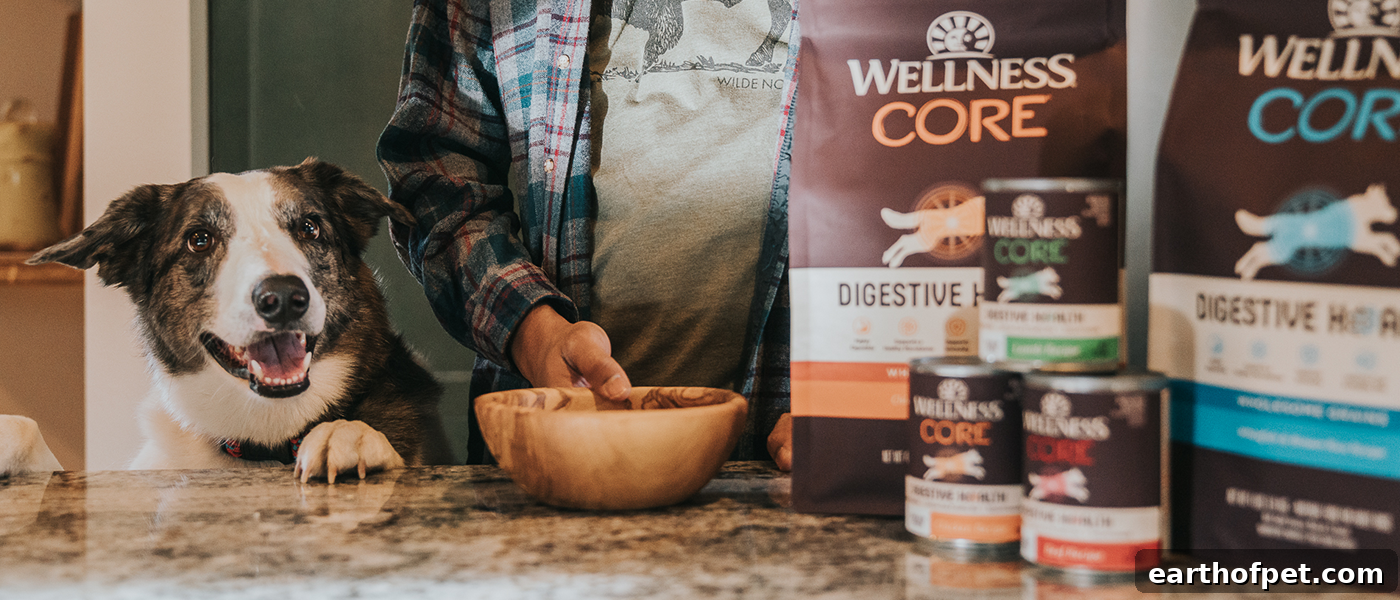
- Balanced, age-appropriate diet – Nutrition plays a major role in organ and immune health. Transition to high-quality foods formulated for senior cats or dogs when recommended by your veterinarian. Look for formulas that support joint health, lean muscle, healthy fats for skin and coat, and easily digestible nutrients.
Ask your veterinarian about dietary supplements that may benefit aging pets. Omega fatty acids, glucosamine, and chondroitin are commonly suggested to support skin, coat, and joint health, but doses and suitability vary by individual—so consult your vet before starting anything new.
Things to Monitor in Aging Pets
Slower pace is normal with age, but certain changes signal health concerns. Keep a close eye on your senior pet and track any new or worsening signs.
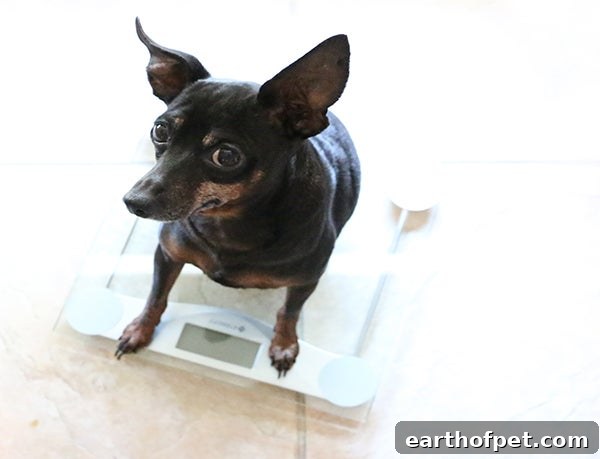
- Significant weight changes – Sudden or progressive weight gain or loss can indicate metabolic issues, dental disease, digestive problems, or other medical conditions and should prompt veterinary evaluation.
- Cognitive and behavioral shifts – Older pets can develop cognitive decline or stress-related behaviors if under-stimulated. Look for confusion, disorientation, pacing, repetitive actions, changes in sleep patterns, increased anxiety, or house-soiling.
- Altered habits and physical symptoms – Increased or decreased urination, coughing, labored breathing, changes in appetite or thirst, poor-quality coat, vomiting, or unexplained weakness may point to kidney, urinary, cardiac, or other systemic disease.
Document any concerning behavior: note what happens, when it occurs, how long it lasts, and how often it repeats. Video or audio recordings on your phone can be especially helpful for the veterinarian. Early diagnosis and a clear treatment plan markedly improve outcomes.
Caring for Your Senior Pet
Beyond medical care, emotional support and maintaining a regular routine are vital. Continue to spend quality time together—gentle play, short walks, and affectionate interaction all contribute to your pet’s mental and physical wellbeing. Adapt activities to your pet’s comfort level and provide soft bedding, easy access to favorite spaces, and non-slip surfaces to protect aging joints.
Senior cats and dogs deserve attentive, informed care so they can enjoy long, healthy lives. By staying proactive with veterinary visits, tailored nutrition, regular exercise, grooming, and attentive observation, you can help your pet remain comfortable and engaged in their golden years. That is why Wellness Pet Food has created several different premium cat and dog food formulas designed to meet the needs of pets at varying life stages.