Pet Immune Health
As a devoted pet owner, you already provide your dog or cat with nutritious food, fresh water, exercise and plenty of affection. You keep vaccinations current and often choose meals fortified with vitamins, minerals and antioxidants to support overall health. But one crucial factor that is sometimes overlooked is the role of the digestive system in your pet’s immune strength. Understanding how gut health and the immune system interact can help you make smarter daily choices that support long-term wellbeing.
Keys To Pet Immune Health
The digestive tract does much more than process food and absorb nutrients. Research increasingly shows that the gut is central to immune function and whole-body health. The immune system is a complex network of cells, tissues and organs that constantly communicate to detect threats and maintain balance. Within the digestive system, this communication involves a close partnership between immune cells and the gut microbiome — the trillions of bacteria, fungi and other microorganisms that live in the intestinal tract.
Many microbes in the gut are beneficial and essential to normal physiology. They help digest food, produce certain vitamins, and train the immune system to respond appropriately to pathogens. Harmful microbes can cause trouble, but in a healthy gut their growth is kept in check by beneficial microbes and immune defenses.
Scientific evidence shows that the gut microbiome and intestinal bacteria influence nearly every aspect of a pet’s health, including immune resilience.
Supporting your pet’s digestive health is therefore a powerful way to strengthen natural defenses and promote overall vitality.
So how exactly do the immune and digestive systems cooperate? Roughly 70% of an animal’s immune cells are associated with the digestive system. The gut acts like a control center for immune activity: it monitors what enters the body, tolerates beneficial substances, and mounts responses to harmful invaders. A balanced gut helps the immune system distinguish friend from foe and reduces unnecessary inflammation.
The Microbiome and Your Pet’s Immune Health
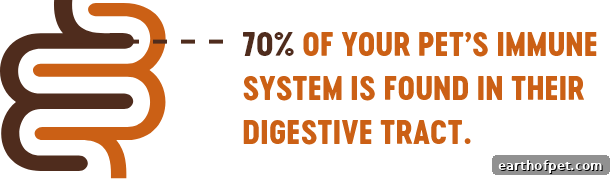
The microbiome and immune system share a reciprocal relationship. A healthy microbiota sends molecular signals that support the development and regulation of immune cells, while a well-regulated immune system helps maintain a stable community of beneficial microbes. This two-way interaction contributes to effective immune responses and balanced inflammation, which are both essential for preventing disease and maintaining energy and vitality.
When the microbiome becomes imbalanced — a condition known as dysbiosis — the altered microbial signals can trigger immune responses that increase susceptibility to infections or promote chronic inflammation. Dysbiosis may follow changes in diet, antibiotic use, stress, or illness, and it can affect everything from digestive comfort to skin and coat health.
A Healthy Digestive System Supports Immune Defenses
Diet plays a major role in shaping the microbiome and the health of the intestinal barrier. Foods formulated for digestive wellness can supply dietary fibers, prebiotics and other nutrients that feed beneficial bacteria and support the cells lining the gut. Those intestinal cells form a protective barrier that prevents harmful bacteria and toxins from crossing into the bloodstream and triggering systemic immune reactions.
High-quality nutrition that promotes a strong intestinal wall reduces the risk that pathogenic organisms will breach this barrier and cause inflammation. In turn, a balanced microbiome helps maintain effective immune surveillance, so your pet can better resist infections and recover faster when they occur.
How Do You Keep Your Pet’s Immune System Strong?
To help optimize your dog or cat’s digestive health and immune resilience, choose complete and balanced diets that include nutrients known to support the gut and microbiome. Look for formulas or ingredients that provide:
- High-quality animal proteins and easily digestible carbohydrates to maximize nutrient absorption and support overall energy
- Soluble and insoluble dietary fibers, such as beet pulp, which nourish the gut lining and promote regularity
- Prebiotics like fructooligosaccharides (FOS) and mannan-oligosaccharides (MOS) that encourage growth of beneficial bacteria
- Probiotics or probiotic-coated kibble that deliver live “good” bacteria to help balance the microbiome
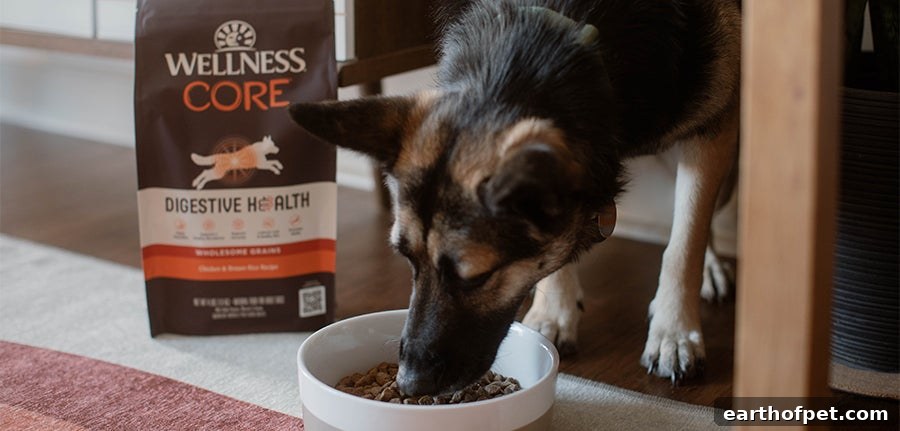
Products formulated specifically for digestive health can also include digestive enzymes and a targeted blend of fibers and prebiotics to support both digestion and immune function. These diets often aim to be free from unnecessary fillers, artificial colors and preservatives, and they can promote healthier skin and coats as well as improved energy and vitality.
In addition to diet, routine preventive care, vaccination, regular veterinary checkups, stress management and appropriate exercise all support immune health. If you are considering a new food or supplement, consult your veterinarian to choose an option tailored to your pet’s age, breed, health status and lifestyle. With the right combination of nutrition and care, you can help your pet maintain a balanced microbiome, a strong intestinal barrier and a resilient immune system for a happier, healthier life.