Why Cats Overgroom: Causes, Diagnosis, and Practical Solutions
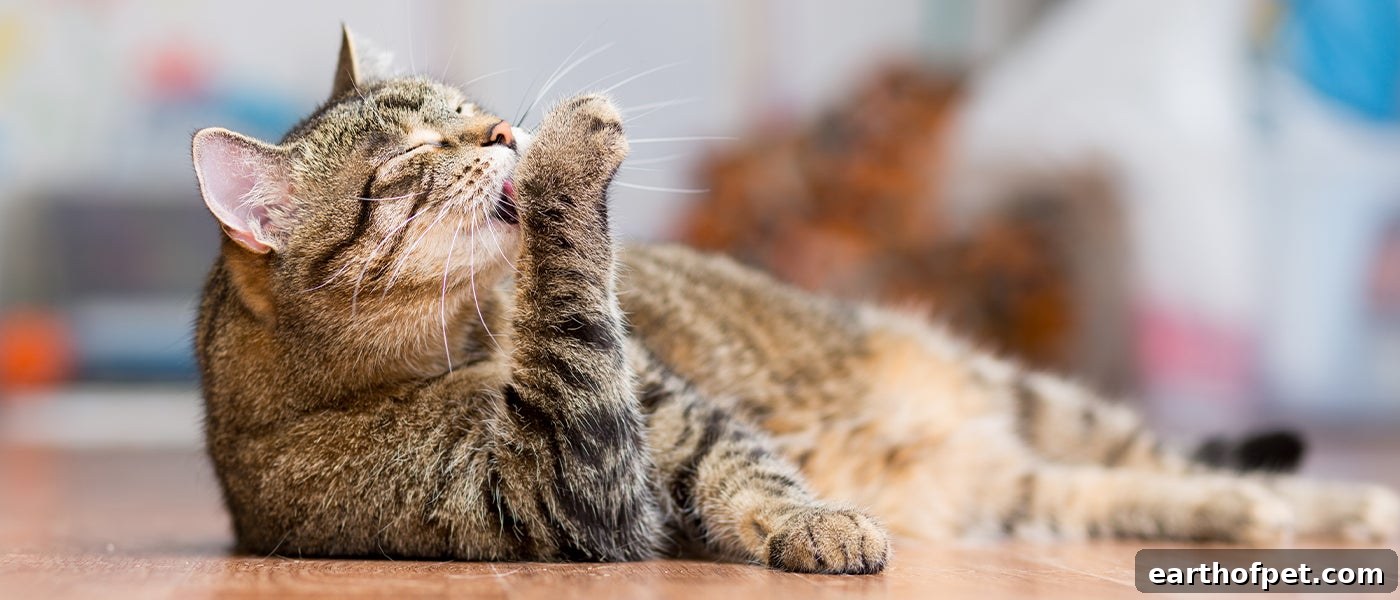
Cats are meticulous groomers, often spending 30–50% of their waking hours cleaning themselves. Grooming serves many normal, healthy functions, including:
- Cooling the body through saliva evaporation
- Removing loose or dead hair
- Eliminating external parasites
- Masking or removing prey or food scents
- Creating a consistent, identifying scent
- Removing debris and maintaining coat condition
- Acting as a displacement behavior to self-soothe
Grooming becomes problematic when it is excessive—when a cat licks or chews to the point of hair loss, skin irritation, or open sores. Because cats groom routinely, owners sometimes don’t notice a change until they observe bald patches, inflamed skin, or an increase in hairballs.
What Causes Excessive Grooming?
Over-grooming can stem from medical issues or from behavioral causes. When no medical reason is found, veterinarians may diagnose psychogenic alopecia—behavioral over-grooming driven by stress. While brief grooming can be a normal displacement activity to self-calm, ongoing compulsive licking is often reinforced by endorphin release, making the cat feel calmer and encouraging repetition of the behavior.
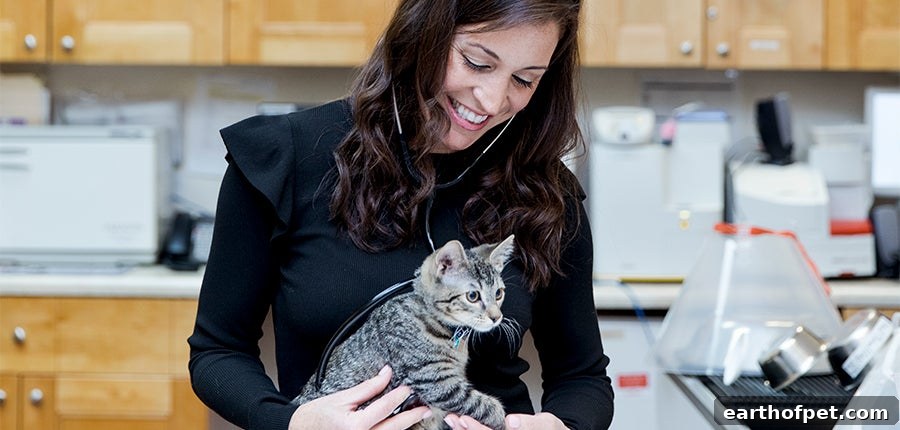
Because many physical conditions can prompt increased grooming, the first step is always a veterinary examination to rule out medical causes.
Medical Causes of Excessive Grooming
Skin irritation, pain, or metabolic changes commonly trigger over-grooming. Signs can include bald patches, broken hairs, inflamed areas, and sores. Common medical causes include:
- Pain. Cats may repeatedly lick a painful area—such as the abdomen, genitals, a limb, or a paw—to try to soothe discomfort from urinary issues, anal gland problems, injury, or arthritis.
- External parasites. Fleas and other parasites can provoke intense itching; some cats are especially allergic to flea bites and develop irritated skin, often near the base of the tail.
- Allergies and infections. Mites, ringworm, food allergies, and environmental allergens can all cause itchy skin that leads to licking and chewing.
- Metabolic or hormonal conditions. Disorders such as hyperthyroidism and other systemic illnesses can be associated with increased grooming.
Your veterinarian will perform a physical exam and, if needed, recommend lab work, skin testing, or other diagnostics. Treatment targets the underlying medical problem and may include medications, topical therapies, and sometimes temporary protective measures, such as an Elizabethan collar to allow healing.
Stress-Related Excessive Grooming
If medical causes are excluded, over-grooming is likely stress-related. Cats vary widely in stress tolerance and can react to changes that owners might consider minor. Cats thrive on predictability and familiar routines; disruptions can trigger chronic stress and compulsive grooming.
Potential stressors include:
- Introducing a new pet or person
- Loss or absence of a household member or companion animal
- Moving to a new home or significant rearrangement of furniture
- Changes in household routine or a noisy, chaotic environment
- Inadequate or dirty litter box conditions
- Changes in food or litter type
- Presence of unfamiliar animals outdoors
- Boredom or lack of stimulation
- Punishment or inconsistent handling
- Ongoing tension in multicat households
- Previous trauma
How to Address Stress-Related Over-Grooming
Treatment depends on the identified causes, but several general strategies can reduce stress and help stop excessive grooming:
Introduce new pets slowly. Gradual, positive introductions reduce fear and territorial stress. Allow cats to meet at their own pace using scent exchanges and supervised, incremental interactions.
Keep routines consistent. Maintain regular feeding times, litter box maintenance, play sessions, and predictable interaction with your cat. Consistency builds security.
Use play therapy. Structured interactive play—ideally twice daily with a wand or “fishing pole” toy—releases energy, reduces stress, and builds confidence. Provide safe solo toys and puzzle feeders to keep your cat mentally stimulated throughout the day.
Enrich the environment. Offer vertical space with cat trees and window perches, hiding places, tunnels, and sturdy scratching posts in high-traffic areas. Cat shelves and walkways, where possible, add valuable territory and escape routes.
Ensure resource access and security. In multicat homes, place food, water, litter boxes, and resting spots in each cat’s preferred areas so they don’t have to cross another cat’s territory. Spend individual quality time with each cat according to its preferences.
Make changes gradually. Introduce new furniture, food, or litter slowly. When moving to a new house, confine your cat to one secure room at first and gradually expand access to the rest of the home.
Consider pheromone therapy. Synthetic feline facial pheromone diffusers can help some cats feel calmer by providing a familiar, reassuring scent in the environment.
Avoid punishment. Punishment increases fear and stress and does not address the root cause of the behavior. Instead, focus on identifying the reason the cat grooms excessively and offer alternative, positive options.
Respect personal space. Learn to read your cat’s body language and seek consent before petting, picking up, or interacting. Respecting boundaries reduces stress and builds trust.
Seek professional help when needed. If over-grooming persists despite environmental and behavioral adjustments, consult your veterinarian about anti-anxiety medications or a referral to a certified cat behaviorist for a tailored behavior modification plan.
Addressing excessive grooming usually requires a combination of medical assessment, environmental management, enrichment, and behavior modification. With careful observation, consistent routines, and appropriate veterinary guidance, most cats can improve and return to healthy grooming patterns.