How to Best Protect Your Dog in Cold Weather
Winter brings brisk air, short days, and snowy sidewalks—conditions that require extra care for our canine companions. Even dogs that seem to love the cold can suffer from exposure, frostbite, or injuries if proper precautions aren’t taken. The following practical winter dog safety tips will help you protect your dog in cold weather, keep outdoor time enjoyable, and reduce seasonal risks.
1. Bundle Up
Although a dog’s coat offers natural insulation, many breeds still feel the cold. Short-haired breeds, dogs without an undercoat, toy breeds, puppies, and senior dogs are especially vulnerable. Avoid shaving a dog’s winter coat; instead, consider a well-fitting dog winter coat that blocks wind and helps retain body heat for longer outings.
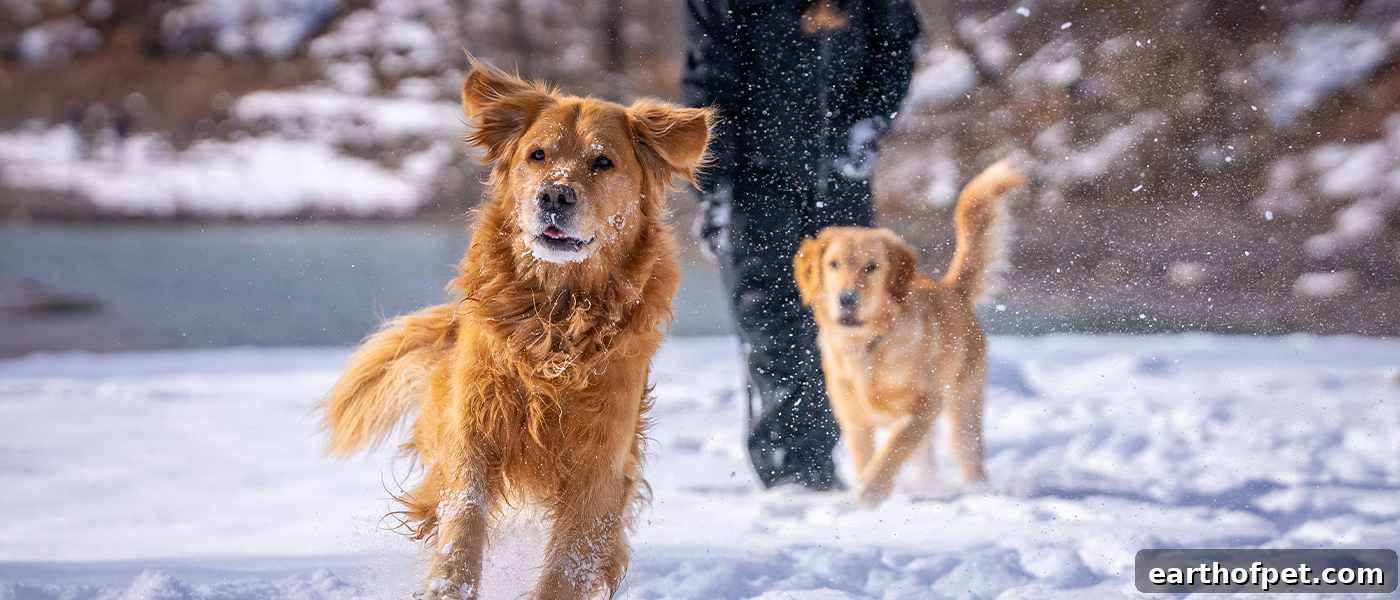
Choose a jacket that covers the full length of the back and fits snugly without restricting movement. Avoid loose straps or dangling fabric that can tangle in underbrush or catch on objects during play. A proper fit ensures warmth and prevents accidents while your dog runs or plays in the snow.
2. Stay Visible
With daylight hours reduced in winter, many walks occur near dawn or after dusk. To stay safe on dim streets and trails, use reflective collars, vests, leashes, or bright-colored gear in high-visibility hues like orange or yellow. Light-up collars or clip-on LED lights increase visibility to drivers and other pedestrians. Carrying a flashlight or wearing a headlamp also helps you spot hazards and signals your presence to others.
3. Protect Your Pup’s Paws
Snow, ice, and de-icing chemicals can cause pain, irritation, and even frostbite on paw pads. After outdoor time, wipe your dog’s paws thoroughly to remove ice, salt, and chemicals so they don’t ingest them while grooming. Consider a wax-based, pet-safe paw balm to moisturize and form a barrier against salt and ice.
Booties offer excellent protection from cold, sharp ice, and chemical exposure, but it’s important to measure paws and choose boots that allow natural movement. Introduce booties gradually, using treats and short practice sessions to build comfort. Whenever booties are worn, check paws frequently for rubs, moisture buildup, or signs of discomfort.
4. Don’t Slip Up
Ice, slush, and muddy patches increase the chance of slips and strains. Keeping your dog on a secure leash reduces the risk of falls and sudden movements that can lead to injury. Be cautious about fast-paced games on icy surfaces—abrupt stops and sharp turns are more likely to cause sprains and torn ligaments in slippery conditions.
5. Shorten Time Outside When Needed
Limit outdoor time during extreme cold and watch for signs your dog is too cold: persistent shivering, lifting paws, whining, seeking shelter, or trying to return indoors. Shorter, more frequent outings are often safer than long periods in freezing temperatures. Also avoid walking on frozen ponds or lakes—thin ice can fail and pose a deadly hazard.
When outdoor activity must be reduced, keep your dog mentally and physically stimulated indoors. Play interactive games, rotate safe chew toys, practice training routines, or use food-dispensing puzzle toys to burn energy and reduce boredom.
6. Provide Warm Shelter
If your dog spends time outdoors, make sure they have access to a dry, insulated shelter raised off the ground to prevent cold and moisture transfer. Insulated dog houses, heated beds, or heated crate pads help maintain comfortable body temperature. Keep drinking water from freezing by using heated water bowls or checking outdoor water sources frequently to ensure hydration.
7. Avoid Antifreeze
Antifreeze is highly toxic to pets and has a sweet taste that can attract animals. Store antifreeze and automotive fluids securely out of reach, clean up any spills immediately, and inspect your driveway or garage for leaks. If you suspect ingestion, contact a veterinarian or emergency animal clinic right away.
8. Adjust Nutrition and Consider Supplements Carefully
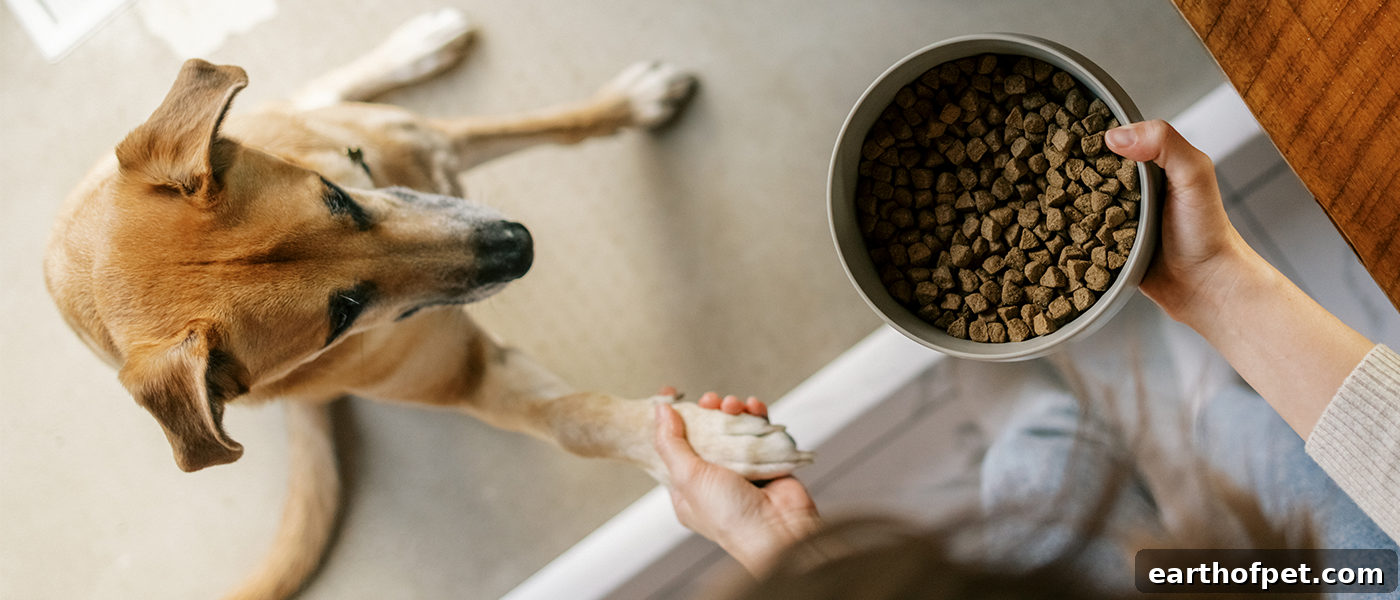
Many dogs are less active in winter, which can lead to weight gain if calorie intake isn’t adjusted. Monitor your dog’s body condition and consult your veterinarian if you notice weight changes; they may recommend altering portion sizes or switching to a lower-calorie diet. Instead of increasing treats, reserve part of a meal as a training reward to avoid excess calories.
Some dogs benefit from supplements to support joint comfort, skin and coat health, or immune function during colder months. Discuss any supplements with your veterinarian before starting them to ensure they’re appropriate, safe, and dosed correctly for your pet.
Here’s to a Safe, Wonderful Winter With Your Dog!
Cold-weather safety doesn’t have to limit the fun you and your dog share. With the right clothing, paw care, visibility measures, shelter, and mindful routines, you can protect your dog in cold weather and enjoy winter adventures together. Stay observant for signs of discomfort, consult your vet when in doubt, and make simple seasonal adjustments to keep your canine companion healthy, warm, and happy all winter long.