

Patient Condition and History
To determine whether Dottie’s weight loss resulted from burning more calories than she consumed, the hospital fitted her with a PetPace smart collar to accurately measure activity levels and estimate caloric expenditure.
Dottie is a five-year-old, spayed female Boston Terrier weighing roughly 16 lb. While boarding at VetCare Harris Animal Hospital in Tampa, Florida, caregivers observed gradual weight loss despite her appearing healthy and maintaining a normal appetite.
Monitoring Data
When Dottie was admitted for boarding her recorded weight was 16.2 lb. Within a week her weight dropped to 14.1 lb. She had no known medical issues, ate well twice daily and displayed high energy with frequent bursts of activity.
The PetPace collar recorded Dottie’s behavior continuously, revealing frequent, intense activity even during nighttime hours when the facility was closed. This night-time activity would have been impossible to quantify without continuous monitoring, and the data helped clarify the likely cause of her weight loss.
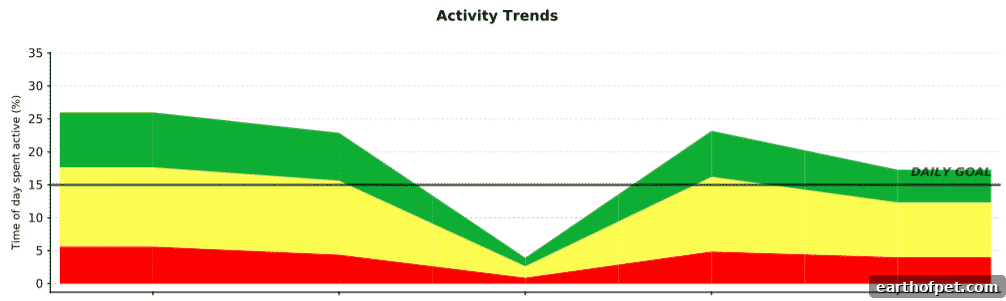
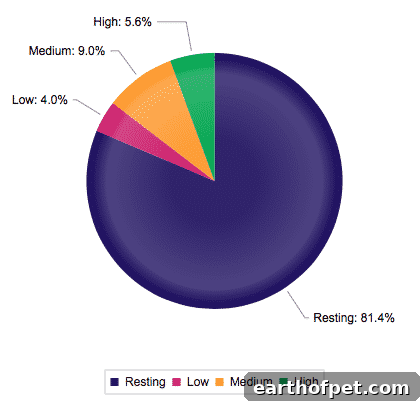
The collar tracked not only how long Dottie was active, but also the intensity of that activity. The accumulated activity breakdown shows the relative time she spent at different intensity levels, confirming extended periods of high-energy behavior.
PetPace also provided an Overall Activity Score, a proprietary metric that combines intensity, frequency and duration of activity to allow easy comparisons over time and between pets. Dottie’s score during boarding was 17.2, one of the highest recorded by PetPace, while typical healthy active dogs score around 11. This unusually high score aligned with the observed weight loss and suggested elevated caloric needs.
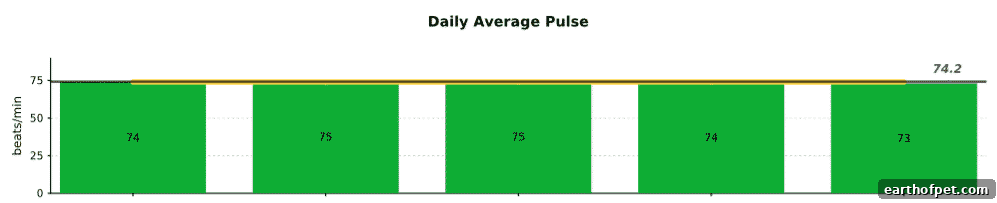
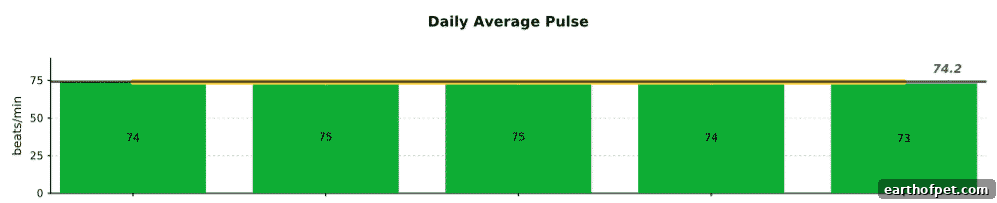
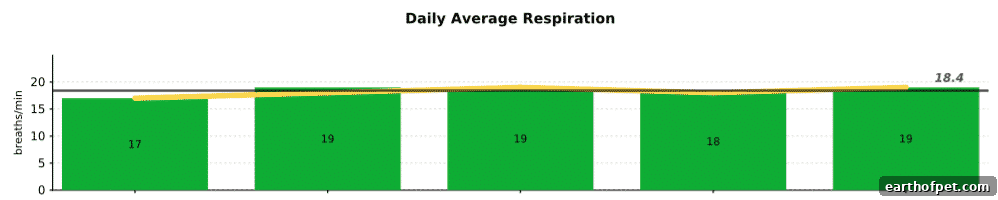
Other physiologic measures captured by the collar—such as pulse indices, respiratory rate indices and heart rate variability (HRV)—remained stable and within normal ranges throughout the monitoring period. Sample trend graphs demonstrate consistent values despite Dottie’s hyperactive behavior.

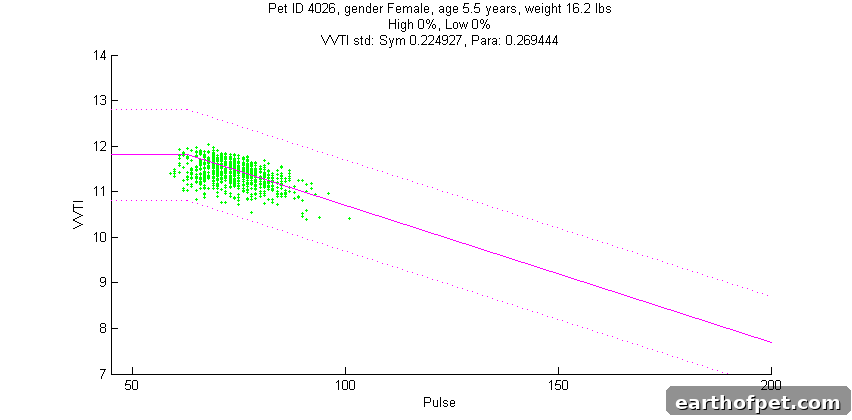
One experimental parameter captured was the VVTI (Vaso-Vagal Tonus Index) versus pulse plot, which can act as a complementary marker of autonomic balance and wellbeing. Dottie’s VVTI distribution was within expected ranges, supporting the interpretation that she was otherwise healthy.
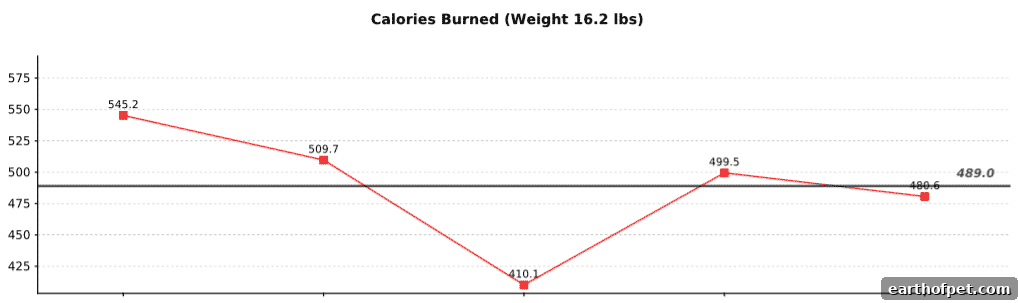
The device also estimated caloric expenditure using the pet’s signalment (age, weight, neuter status) combined with the recorded activity. The caloric estimate for Dottie during her stay indicated much higher energy usage than a typical dog of her size at rest.
Armed with these objective data, hospital staff increased Dottie’s food ration and she began to regain weight.
Discussion
Body weight in dogs is closely tied to activity patterns. Quantifying activity—measuring intensity, duration, frequency and consistency—provides actionable information for owners and veterinary teams working to achieve weight goals or address unexpected weight changes.
Very active pets, such as working dogs or unusually playful companions, often require more calories to maintain body condition. Objective activity metrics combined with caloric expenditure estimates make it easier to determine appropriate feeding regimens and to communicate recommendations to caregivers.
Beyond weight management, continuous activity analytics contribute to a broader health assessment. A device that integrates activity data with physiological indicators—pulse, respiration, HRV and experimental indices like VVTI—offers a more complete picture of a pet’s condition than activity tracking alone. In Dottie’s case, normal physiologic parameters alongside extreme activity supported the conclusion that increased energy expenditure, not illness, drove her weight loss.
Conclusions
Detailed activity analysis is a valuable tool for managing the weight and overall health of dogs and cats. Interpreting activity data in the context of other physiologic markers and the animal’s medical history enables better clinical decisions and personalized feeding strategies.
Dr. Asaf Dagan, DVM, Diplomate ABVP and PetPace’s Chief Veterinarian, emphasized that objective activity analytics improve the accuracy and objectivity of weight-control programs and have broader clinical value when changes in behavior or weight may signal underlying medical issues. Dottie’s primary veterinarian, Dr. Brian Shaw of VetCare Harris Animal Hospital in Tampa, noted that PetPace collars give staff reliable, objective information to guide clinical decisions such as caloric intake adjustment.
In this case study of a Boston Terrier with unexplained weight loss while boarding, continuous monitoring revealed sustained high activity and elevated caloric needs. Adjusting the diet based on those insights resolved the weight loss, illustrating how activity tracking and integrated physiologic data can improve outcomes in veterinary care and pet wellness management.