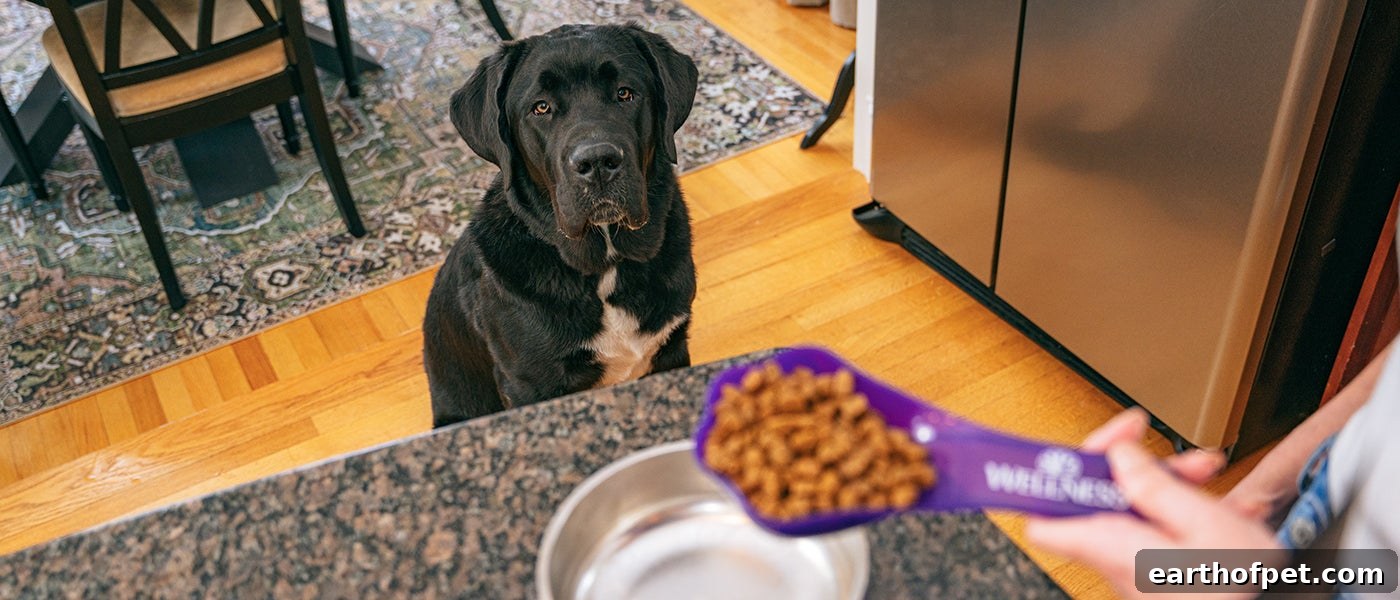
Let’s face it — pets can be just as sensitive as we are. From an upset stomach after a meal to persistent scratching that leaves them dragging across the carpet, diet plays a central role in their comfort and overall health. Choosing the best dog food for food allergies or the best cat food for sensitive stomachs can significantly improve your pet’s life. If your dog or cat needs extra care in the food department, this guide explains why a sensitive skin & stomach diet may be the solution and what to look for when choosing one.
Why Your Pet May Need a Sensitive Skin & Stomach Diet
Food-related issues often show up as digestive or skin problems. If your pet displays any of the following signs, consider exploring a diet formulated for sensitive skin and stomach:
Frequent digestive upset: Gas, bloating, vomiting, or loose stools can indicate food intolerance or a sensitive digestive tract. The best dog foods for sensitive stomachs use easily digestible proteins and limited ingredients to minimize irritation and support healthy digestion.
Itchy or inflamed skin and coat problems: Excessive scratching, hair loss, flaky, or dull fur are common signs that a pet may lack essential nutrients for skin and coat health. Diets formulated for sensitive skin often include omega fatty acids and other nutrients that nourish the skin and promote a glossy coat.
Food allergies and intolerances: Some pets react to common proteins (like chicken or beef) or grains. Foods designed for pets with allergies rely on novel or single-source proteins and remove common triggers so the immune system is less likely to react.
Key Features to Look for in a Sensitive Skin & Stomach Diet
Choosing the right formula doesn’t need to be complicated. Focus on these important elements to find a diet that supports both skin and digestion:
- High-quality, digestible protein: Single-source or novel proteins such as salmon, lamb, or turkey are easier on the stomach and supply the amino acids needed for muscle maintenance and skin repair.
- Prebiotics and probiotics: These support gut health by promoting balanced intestinal flora, which helps digestion and nutrient absorption.
- Omega-3 and omega-6 fatty acids: Essential fatty acids reduce inflammation and support skin and coat health. They are often listed as fish oil, flaxseed, or specific omega blends.
- Limited or novel ingredients: Fewer ingredients can reduce exposure to potential allergens. Limited-ingredient or single-protein diets are helpful when you’re trying to identify triggers.
- No fillers or artificial additives: Avoid foods with artificial colors, flavors, or unnecessary preservatives that may irritate sensitive pets.
Popular Options for Sensitive Skin & Stomach Diets
Many brands now offer formulas specifically designed for pets with digestive or skin sensitivities. Look for recipes labeled for sensitive skin, sensitive stomachs, or limited ingredients. Examples include grain-inclusive and grain-free options, dry and wet recipes, and supplemental products designed to support skin and coat health. A skin & coat wet food formulated with omega-rich ingredients can help cats with dry, itchy skin, while dry and wet formulas with added probiotics and salmon or other fish proteins are commonly recommended for dogs with sensitive stomachs.
Supplements and Extras
In addition to changing food, supplements can provide targeted support. Omega-rich skin & coat supplements for dogs and cats can reduce itchiness and improve coat shine when used alongside a balanced diet. Always consult your veterinarian before adding supplements to ensure correct dosing and safety for your pet’s age and health condition.
FAQs: Sensitive Skin & Stomach Diets
Q: Why does my dog have a sensitive stomach?
A: Digestive sensitivity can stem from genetics, previous illnesses, sudden diet changes, or adverse reactions to certain proteins or ingredients. A diet formulated for sensitive stomachs can help reduce symptoms and support digestive health.
Q: What is the best cat food for skin allergies?
A: Look for limited-ingredient or novel-protein cat foods that include omega fatty acids and are free from common fillers and artificial additives. These formulas help reduce inflammation and soothe irritated skin.
Q: How should I transition to a new sensitive food?
A: Switch gradually over 7–10 days by mixing increasing amounts of the new food with the current diet. A slow transition helps prevent additional digestive upset.
Q: Should I see a vet before changing my pet’s diet?
A: Yes. If symptoms are severe, ongoing, or accompanied by other signs (weight loss, lethargy, vomiting), consult your veterinarian to rule out underlying health issues and get personalized recommendations.
Final Thoughts: Prioritize Comfort and Nutrition
Switching to a sensitive skin & stomach diet can make a real difference in your pet’s comfort, energy, and coat condition. Focus on high-quality proteins, digestive support like prebiotics and probiotics, and essential fatty acids when selecting a formula. If necessary, supplement under veterinary guidance. With the right diet, many pets experience fewer digestive upsets, less itching, and a healthier, shinier coat.
Recommended reading:
- The Best Dog Food for Dogs with Allergies
- The Best Puppy Food for a Sensitive Stomach
- Choosing the Best Dog Food for Itchy Skin
Here’s to happier bellies, shinier coats, and more wagging tails!