When preparing for a new puppy, owners often focus on the essentials — a comfortable bed, food and water bowls, a collar and leash, vaccinations and training classes. These are all important, but one critical long-term health need is often overlooked: your puppy’s dental health. Establishing good oral care from a young age prevents pain, tooth loss and costly veterinary treatments later in life.
PUPPY AND DOG ORAL HEALTH- IMPORTANCE OF ESTABLISHING A ROUTINE
- Puppies are born toothless and develop sharp deciduous (puppy) teeth within a few weeks.
- Permanent adult teeth begin to come in around 4–6 months. Many owners don’t notice each baby tooth falling out, but most do notice intense chewing and mouthing during teething as puppies seek relief.
- Alongside chew toys, the most important step is starting a daily tooth-cleaning routine. Regular cleaning removes plaque before it hardens into tartar.
- Bacterial plaque forms on teeth within 24 hours. If not removed, it calcifies into tartar.
- Untreated tartar leads to gum inflammation, bad breath, loosening tooth attachments and significant pain for the dog.
Dental disease affects 80% of adult dogs and 96% of senior dogs.
To give your puppy the best chance of long-term oral health, begin cleaning teeth at about 3 months old or as soon as adult teeth start to erupt. The earlier you start, the easier it becomes to maintain a routine. Below are five practical tips to make daily dental care simple and effective.
1. START BRUSHING THEIR TEETH FROM WHEN YOU FIRST BRING YOUR NEW PUPPY HOME
Puppies are highly adaptable during their first 16 weeks. Introducing gentle mouth handling and brief brushing sessions during this window helps them accept tooth care as a normal part of life. Regular, positive experiences now will make dental care less stressful for both of you as the dog matures.
2. BRUSH THE RIGHT WAY
Choose tools that allow you to reach all tooth surfaces — front and back, inside and outside. There are finger brushes, soft toothbrushes and small-head brushes designed specifically for dogs. The important goal is consistent, thorough cleaning.
- Begin by gently touching and rubbing your finger around the puppy’s mouth to build tolerance.
- Progress to a soft finger brush once they are comfortable.
- Move to a toothbrush to reach the back teeth and clean more effectively.
- Always use toothpaste formulated for dogs. Human toothpaste contains ingredients that can be unsafe if swallowed by pets and may be unappealing to them.
3. INCORPORATE A WAY FOR YOUR DOG TO CLEAN THEIR OWN TEETH
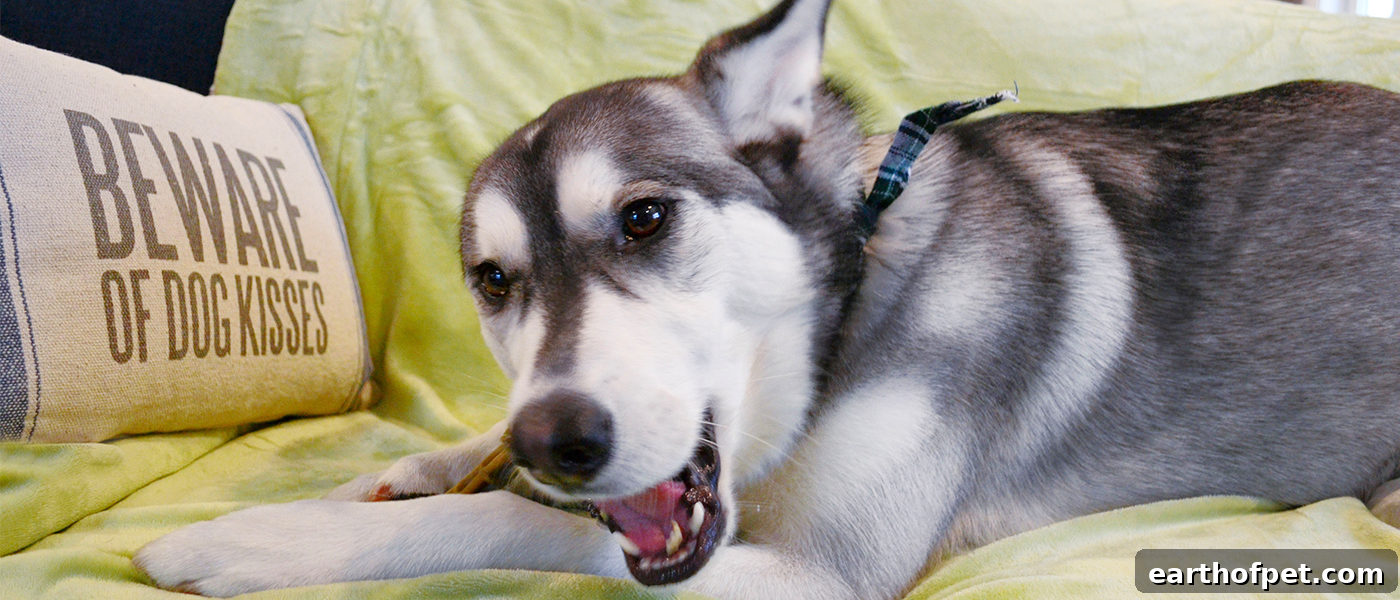
Brushing remains the gold standard for plaque control, but many owners find daily brushing difficult. As a practical supplement, scientifically proven dental chews accepted by the Veterinary Oral Health Council (VOHC) can help reduce plaque and support at-home dental care. When selecting a chew, choose one formulated for puppies if your dog is as young as three months — puppy-specific chews match calorie needs and have textures and sizes suitable for developing mouths.
After about nine months, you can transition to an adult-sized dental chew appropriate for your dog’s weight and jaw strength. Some dental treats are vegetarian and grain-free and can be a good option for dogs with dietary sensitivities. Use chews as part of a balanced approach that also includes brushing and regular veterinary dental checks.
4. MAKE SURE IT IS DAILY
Plaque can accumulate within 24 hours, so consistency matters. Whether you brush daily or provide a dental chew each day, habitual care is the best defense against plaque, tartar and periodontal disease.
5. DON’T DELAY!
| Puppy Age | Human Age |
|---|---|
| 3 months | 4 years |
| 4 months | 5 years |
| 5 months | 6 years |
| 6 months | 7.5 years |
| 7 months | 9 years |
| 8 months | 10 years |
| 9 months | 11 years |
| 10 months | 12.5 years |
| 11 months | 14 years |
| 12 months | 15 years |
Puppies grow rapidly in their first year; by one year old a dog is roughly equivalent to 15 human years. Delaying dental care until later is like waiting until a child becomes a teenager to start brushing. Begin at about three months of age to build a positive habit and reduce the risk of early periodontal disease.
In addition to at-home care, schedule regular veterinary dental exams. Your veterinarian can assess gum health, remove tartar that can’t be brushed away, and advise on any treatment if disease is present. Establishing a comprehensive dental routine — daily brushing or approved dental chews, age-appropriate products, and professional checks — gives your puppy the best chance of a healthy mouth and a happier life.