Kittens are lively, curious companions that bring joy and activity into your home. Unlike adult cats, kittens explore the world with boundless curiosity and need guidance, safety, and consistent care. Teaching them basic habits—where to use the litter box, what foods are appropriate, where to sleep, and how to play safely—will help them grow into healthy, well-adjusted adults.
Securing Your Home for a Kitten
Kitten-proofing your home is the first step in responsible kitten care. Kittens investigate their surroundings by mouthing and pawing objects, so remove or secure any items that could be chewed, swallowed, or cause choking. Common hazards include rubber bands, small toy parts, loose cords, paper products, medication, houseplants that are toxic to cats, and small objects on low surfaces.
Store dangerous and tempting items out of reach, hide electrical cords, and keep trash and recycling bins secured. Close off small gaps where a kitten could become trapped, and supervise interactions with other pets or young children until everyone learns safe boundaries. A safe, predictable environment reduces stress for a new kitten and prevents many common household accidents.
Feeding Your Kitten
Proper nutrition is essential for a growing kitten. Most kittens are adopted around 10–12 weeks, but some may arrive earlier and still require bottle feeding. If a kitten is unweaned, consult your veterinarian about kitten formula and safe bottle-feeding practices until the kitten can transition to solids.
Weaning typically begins at about four weeks, and by six weeks most kittens can handle high-quality solid kitten food. Choose a diet formulated specifically for kittens, as kitten formulas deliver the higher protein, calories, vitamins, and minerals needed for rapid growth and high energy levels during the first year.
Feed kittens multiple times a day—usually three to four small meals—so they can maintain steady energy and support healthy development. Follow feeding guidelines on the food packaging and adjust portions according to your veterinarian’s recommendations and the kitten’s growth and activity level.
Setting Up the Litter Box
Early litter box training is usually straightforward because kittens are naturally inclined to bury their waste. Place a shallow, easy-to-enter litter box in a quiet, accessible location—many people use a laundry room or a spare bathroom. Keep the box away from the kitten’s food and water and avoid areas with loud noise or heavy foot traffic.
Show the kitten the litter box several times a day, especially after meals and naps. Use an unscented, clumping litter if possible, and keep the box clean by scooping daily and changing litter regularly. If you have multiple pets, provide one litter box per cat plus an extra to reduce territorial stress and accidents.
Give Your Kitten Toys
Toys satisfy a kitten’s natural instincts to chase, pounce, and scratch. Providing appropriate outlets for these behaviors protects your furniture and promotes healthy development. Rotate toys regularly to keep playtime interesting.
- Start with essential items such as:
- A sturdy scratching post or pad to support nail health and marking behavior
- Small toy mice or balls that encourage independent play
- Interactive toys on a string or wand toys so you can engage in supervised play
Choose toys without small, detachable parts that could be swallowed. If a toy doesn’t interest your kitten, try a different texture or type—kittens often have clear preferences and will eventually find favorites.
Create a Happy Sleeping Space
A comfortable, quiet sleeping area helps a kitten feel secure. Provide a plush bed or a cozy nest in a warm spot away from drafts. Young kittens especially miss their littermates and mother, so a soft blanket or a small stuffed toy (without removable pieces) can provide comfort.
Consider placing the bed in a low-traffic area where your kitten can nap undisturbed but still be near family activity. A consistent sleeping spot supports healthy daily routines and gives your kitten a safe retreat when they need rest.
Get Your Kitten to the Vet
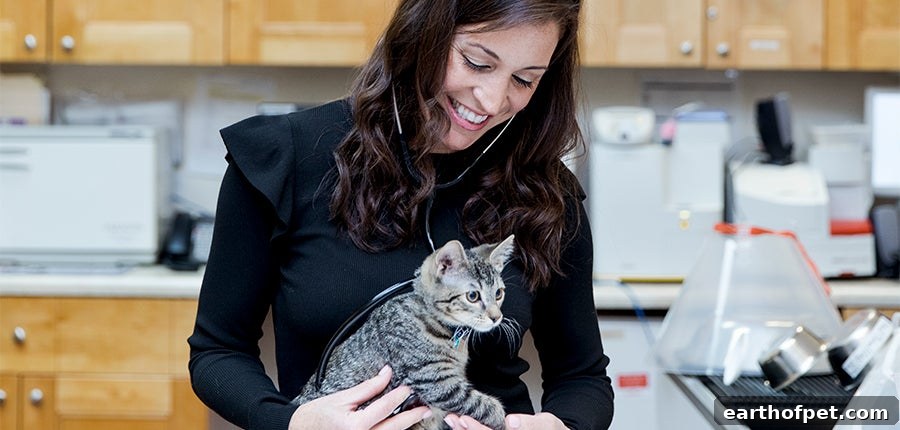
Regular veterinary care is a cornerstone of responsible kitten ownership. Start vaccinations at the appropriate age—typically around 6–8 weeks when maternal antibodies begin to fade—and follow your veterinarian’s recommended schedule for boosters. Discuss deworming, flea prevention, and other routine care during your visits.
Spaying or neutering is recommended unless you plan to breed; many veterinarians advise scheduling the procedure before six months of age to prevent heat cycles and reduce certain health and behavioral risks. Microchipping is an affordable and effective way to help reunite lost pets with their families—ask your vet to register the chip properly at the time of implantation.
Taking care of a kitten means setting them up for a lifetime of health and companionship. With proper nutrition, a secure home, engaging toys, consistent litter box training, and regular veterinary care, you’ll provide the foundation a kitten needs to flourish into a happy, healthy adult cat.
Kittens bring energy and affection to any household. With patience, consistency, and quality kitten-specific nutrition, you’ll support your kitten’s growth, well-being, and long-term happiness.