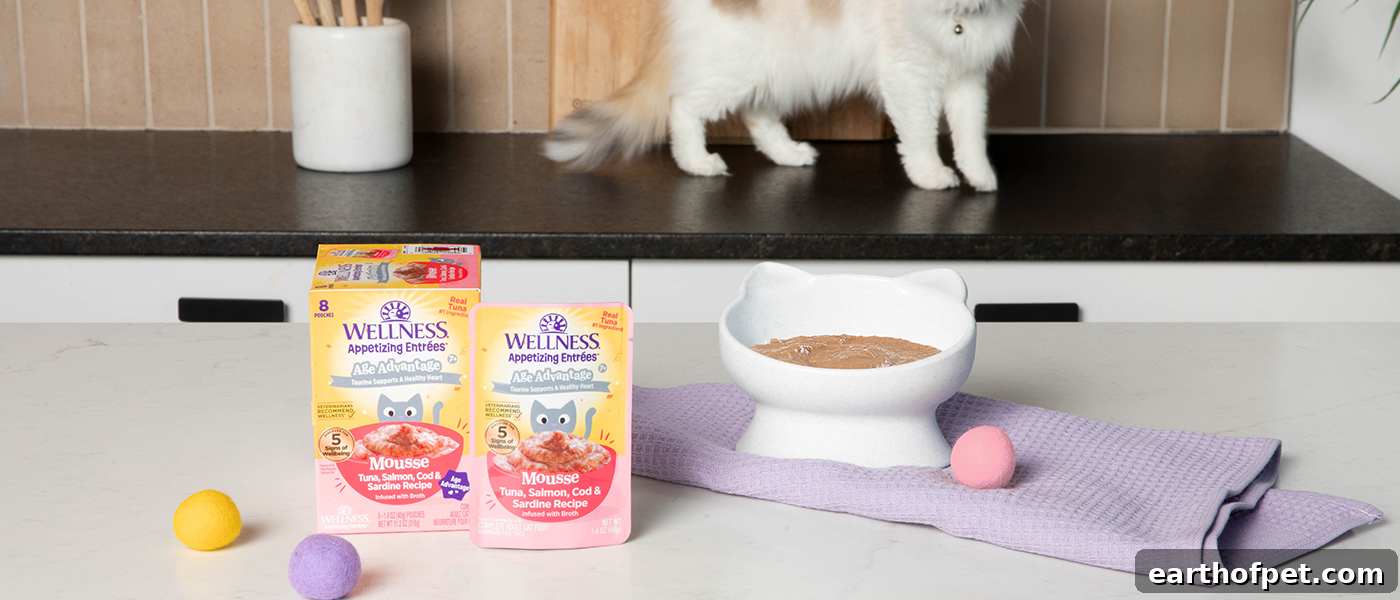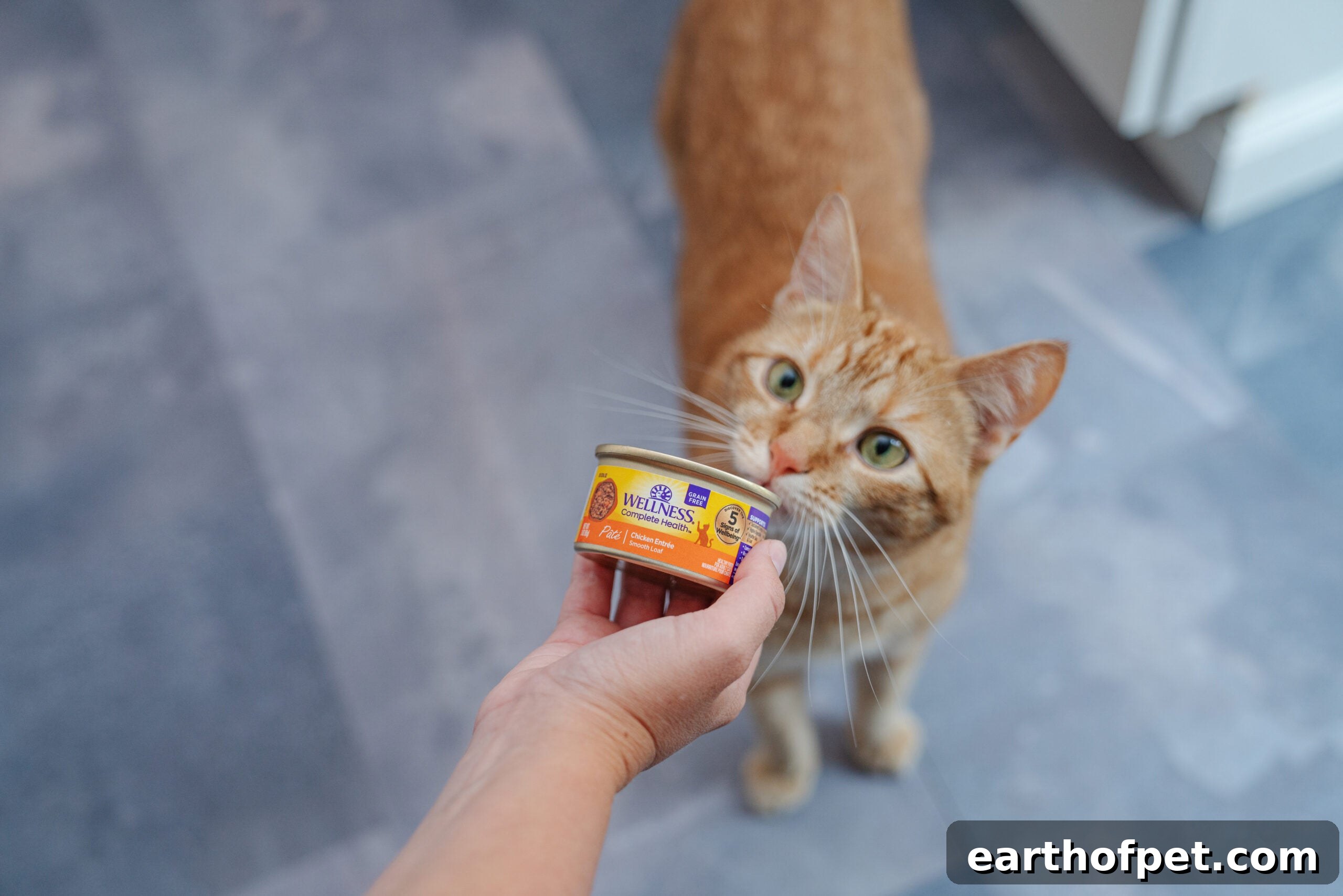
If your cat routinely sniffs their bowl and walks away from a freshly opened can, you’re not alone. Many cat owners struggle with picky eaters, especially when introducing wet cat food. Fortunately, with a few adjustments to texture, temperature, feeding routine, and presentation, you can make mealtime more appealing. Below are practical tips and product-style suggestions to help even the most selective felines enjoy wet food.
Why Cats Refuse Wet Food
Understanding why a cat rejects wet food is the first step toward solving the problem. Cats are sensitive to taste, smell, texture, and routine. Common reasons a cat might avoid wet food include:
- Texture preferences: Some cats prefer smooth pâtés while others prefer flaked, shredded, or chunkier textures. A change in texture can make a big difference.
- Temperature sensitivity: Cold food straight from the fridge has a muted aroma; slightly warming food often increases its appeal.
- Flavor and moisture level: Cats may favor recipes with more gravy or stronger aroma. A formula with a richer broth or distinct protein source might be more enticing.
- Medical concerns: Sudden disinterest in food can signal dental pain, digestive upset, or other health issues. If your cat’s appetite changes abruptly or they lose weight, consult your veterinarian.
- Environmental stressors: Noisy or high-traffic feeding areas can make a cat reluctant to eat. Stress and anxiety often reduce appetite.
How to Encourage Your Cat to Eat Wet Food
With patience and experimentation, you can find a routine and type of wet food your cat prefers. Try the following tactics to improve acceptance and make mealtimes calmer and more successful.
1. Try Different Textures
Offer a variety of wet food textures—pâté, flaked, shredded, or chunks in gravy—to discover your cat’s preference. Some cats respond to smoother blends, while others enjoy bite-sized morsels. Rotate textures to prevent boredom and to lure a hesitant eater.
2. Use Natural Appetite Boosters
Adding a small amount of a tasty topper can increase interest. Consider:
- Drizzling a little warm bone broth or the water from canned tuna (in moderation) over wet food to enhance aroma and moisture.
- Mixing a spoonful of a palatable wet topper with the main meal, then gradually reducing the topper as your cat accepts the base food.
3. Warm the Food Slightly
Gently warming wet food for a few seconds in the microwave (stir and test temperature carefully) or adding warm water can release savory aromas that trigger eating. Always ensure the food is only hand-warm to avoid burns.
4. Offer Different Flavors and Formulas
Try multiple protein sources and formulations to find a favorite. Options include single-protein recipes, grain-free varieties, high-protein pâtés, and flaked meals in gravy. Look for wet foods formulated to provide complete and balanced nutrition appropriate for your cat’s life stage and health needs.
5. Establish a Consistent Feeding Schedule
Free-feeding can reduce interest in a particular meal. Scheduled feedings—two to three times a day—help build appetite and routine. Leave wet food out for a short period (about 20–30 minutes), then remove it if untouched to reinforce mealtime structure.
6. Make Mealtime Engaging
Turn feeding into a low-stress activity that stimulates natural instincts. Try:
- Using puzzle feeders or treat-dispensing toys to encourage foraging behavior.
- Hand-feeding small portions to build trust and show your cat the food is safe and tasty.
- Serving meals in a quiet, comfortable area away from loud appliances or other pets.
- Occasionally placing small servings in different locations to encourage exploration and “hunting.”
7. Consider Veterinary Guidance and Specialized Formulas
If your cat remains stubborn, discuss options with your veterinarian. They can check for medical causes and recommend therapeutic or appetite-stimulating diets when appropriate. There are wet foods specifically labeled or formulated for selective eaters and for life stages like kitten or senior, which may be easier for some cats to accept.
Special Considerations for Kittens and Senior Cats
Getting Kittens to Eat Wet Food
When introducing kittens to wet food, start with small amounts mixed with warm water to create a soft, easy-to-lap texture. Encourage exploration by placing a tiny dab on their paw or nose so they instinctively lick it off. Gradually reduce the water as they become comfortable with the texture.
Wet Food for Senior Cats
Older cats often appreciate softer, easy-to-chew wet foods with high moisture content to support hydration and dental comfort. Look for senior-specific wet formulas with appropriate calorie levels and joint-supporting nutrients if recommended by your vet.
Final Thoughts: Finding the Best Wet Cat Food for Picky Eaters
Every cat has unique tastes and needs. Solving picky eating typically involves testing textures, warming food, offering enticing toppers, creating a calm feeding environment, and following a consistent schedule. If appetite problems continue or are sudden, consult your veterinarian to rule out health concerns. With patience and a little creativity, most cats can learn to enjoy wet food that supports their health and wellbeing.