If you’ve ever stood over your cat’s food dish wondering, “Why is my cat so picky about wet food?”, you’re not alone. Many cats are selective about what they eat—turning up their noses at leftovers, rejecting certain textures, or insisting on fresh portions every time. If you’ve searched for phrases like “how to get my cat to eat wet food” or “best cat food toppers for picky eaters,” this guide is for you.
The struggle with a fussy eater is real, but there are practical solutions that respect your cat’s preferences while making mealtime simpler for you.
Why Cats Tend to Be Picky About Food
Cats are more selective than dogs for several natural reasons. Their strong sense of smell, sensitivity to texture, and preference for routine make freshness and mouthfeel especially important. Common reasons for pickiness include:
- Freshness matters: Cats detect subtle changes in aroma and can refuse food that’s been exposed to air or stored too long.
- Texture preferences: Some cats prefer gravy, others like pâté, shredded, or chunks. A mismatch in texture can lead to refusal.
- Desire for variety: Repeating the same flavor or format daily can lead to boredom and reduced appetite.
- Age and health factors: Older cats or those with dental or digestive issues may favor softer, moist meals that are easier to chew and digest.
All of this often results in half-eaten cans, wasted food, and frustrated cat owners. Fortunately, there are feeding approaches and products designed to address these issues.
How Portioned Meals Help Fussy Cats
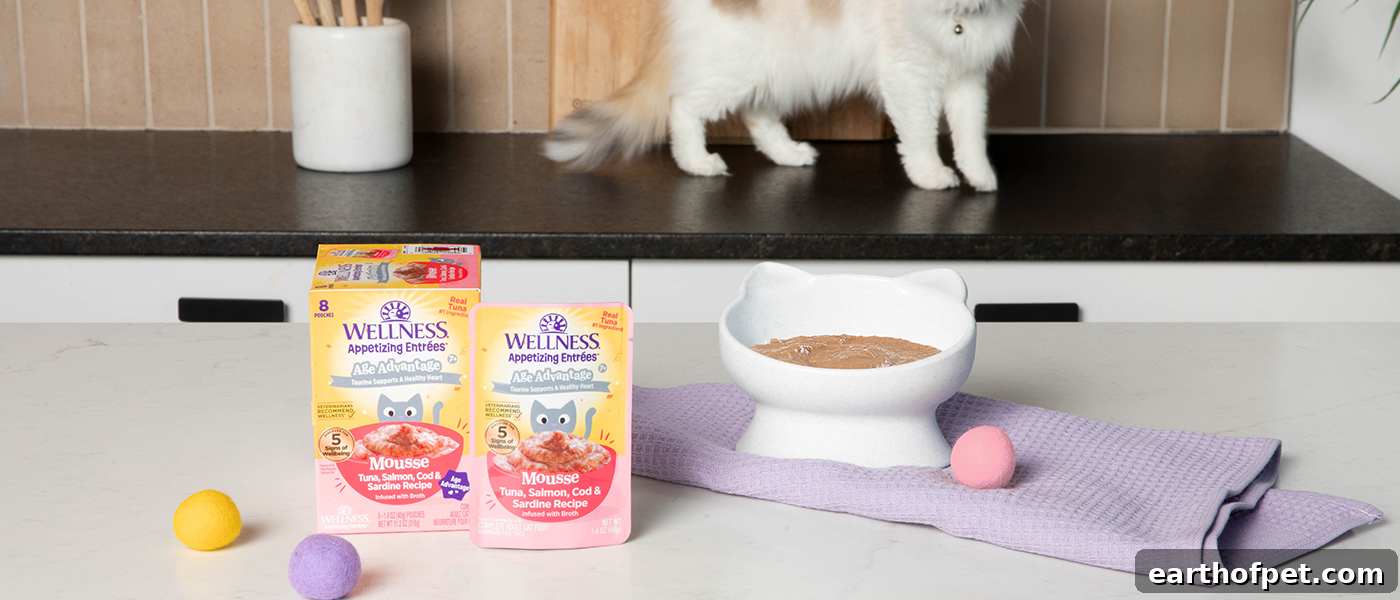
Individually portioned wet meals solve several common problems: they eliminate leftovers that lose appeal, deliver a fresh serving every time, and make it easier to offer a variety of flavors without waste. Portion control also reduces the chance of spoilage and fridge odors, and helps you manage your cat’s calorie intake.
Look for high-protein wet cat food made from real meat without unnecessary fillers. Cats are obligate carnivores, so meat-based protein and moisture-rich recipes support energy, hydration, and overall well-being.
Tactics That Tempt Even the Fussiest Feline
When a cat rejects wet food, try these proven strategies to increase palatability and acceptance:
- Warm slightly: Gently warming food releases aroma, which often makes it more tempting.
- Use toppers: Sprinkle crunchy treats, add a spoonful of wet treat, or use meal toppers to introduce new textures and flavors.
- Mix gradually: Blend a small amount of wet food with dry kibble, increasing the wet portion slowly to ease the transition.
- Rotate flavors: Offer different proteins and textures across meals to prevent boredom.
These tactics work particularly well with single-serve wet meals because you can present fresh, small portions and experiment without wasting food.
Best Cat Food Toppers for Picky Eaters
Topper options can transform a “meh” meal into a “meow-worthy” one. Consider these ideas:
- Crushed crunchy treats for contrast and interest.
- Wet lickable treats added sparingly for extra moisture and flavor.
- Meal toppers or variety packs that offer different textures—gravy, pâté, shreds, or chunks.
- Mix wet and dry to combine the savory aroma of wet food with the satisfying crunch of kibble.
Using toppers alongside portioned cups or single-serve wet meals lets you experiment without wasting large cans.
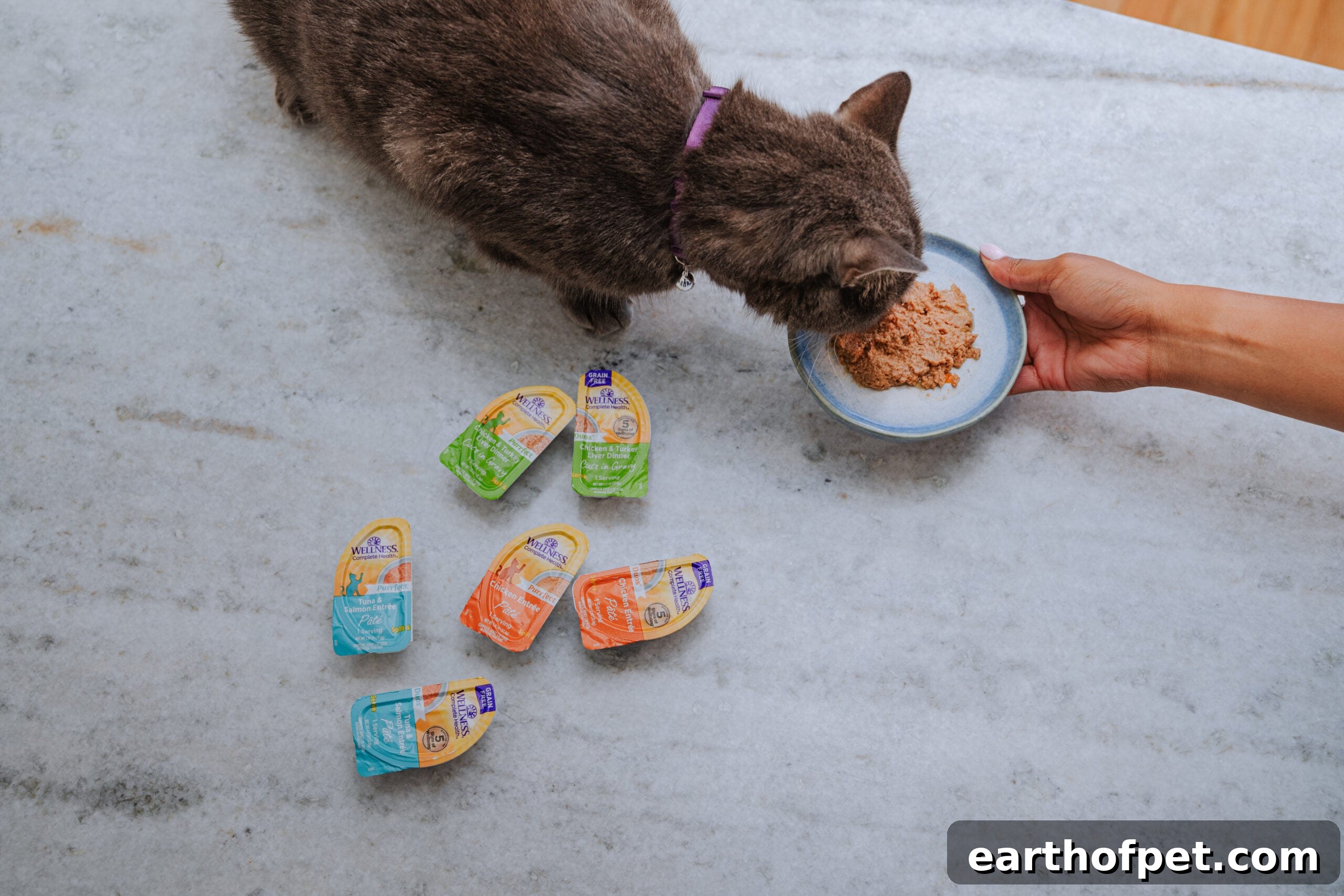
Creative Ways to Use Single-Serve Wet Cups
Single-serve cups unlock flexible feeding options that keep mealtime interesting:
- Breakfast and dinner rotation: Offer one flavor in the morning and a different one in the evening.
- Topper twist: Use a spoonful of wet cup as a topper for dry food to entice hesitant eaters.
- Senior support: Serve softer, gravy-rich recipes that are easier for older cats to chew and digest.
- Snack or reward: Use a small portion as a special treat between meals.
These approaches give you control over portions while satisfying a cat’s need for variety and freshness.
Portion Control: Less Waste, More Finished Bowls
Most cats won’t finish a large can at one sitting. Individually portioned servings reduce waste and ensure each meal is appealing and fresh. Benefits include:
- Less food wasted on half-eaten cans
- No spoiled leftovers or strong fridge odors
- Consistent fresh portions that encourage cats to eat
- Better management of calories and dietary needs
Nutrition: Why High-Protein Wet Food Matters
When choosing the best wet cat food for picky eaters, prioritize recipes that deliver high-quality animal protein, appropriate moisture levels, and balanced nutrients. Options that are grain-free or free from artificial fillers can be easier on sensitive stomachs and more aligned with a cat’s biological needs. A nutrient-rich wet diet supports hydration, digestion, healthy skin and coat, and daily energy.
Common Questions from Cat Parents
Q: How do I get a cat to eat wet food?
A: Start slowly by mixing in small amounts with dry food, warming the wet food slightly, or adding a topper. Offer fresh, small portions to avoid spoilage.
Q: Why is my cat picky about wet food?
A: Sensitivity to smell and texture, loss of freshness, and routine changes are common reasons. Catering to those preferences helps.
Q: What is the best wet cat food for picky cats?
A: The best choice is a high-protein, meat-first wet food offered in fresh, appropriate portions and a variety of textures.
Q: My cat won’t eat wet food—what now?
A: Try flavor rotation, toppers, warming food, or mixing small amounts with dry kibble until your cat adjusts.
Q: What about picky senior cats?
A: Seniors often prefer softer, gravy-rich meals that are easy to chew and digest—single-serve options make serving simple and fresh.
Convenience for Owners
Single-serve wet cups aren’t just for cats—they make life easier for you. Benefits include compact storage, no can opener needed, travel-friendly portions, and consistent freshness. That combination of convenience and quality can turn a picky eater into an enthusiastic diner.
Final Thoughts
If your cat is selective about wet food, you don’t need to keep wasting cans or negotiating over dinner. Fresh, portioned wet meals, paired with toppers and flavor rotation, address the most common causes of pickiness: loss of freshness, texture mismatch, and boredom. Prioritize high-protein, meat-based recipes and serve smaller, appealing portions to encourage eating and support overall health.
With the right approach—fresh servings, variety, and attention to texture—you can help even the fussiest cat enjoy mealtime and get the nutrition they need.
Explore portioned wet cat food options and tips for picky eaters to find the right combination of flavor, texture, and nutrition for your cat.