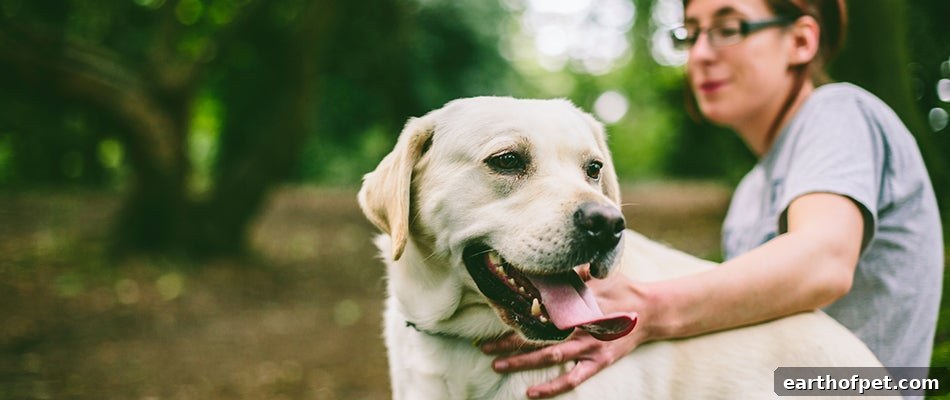
Adopting a senior dog is an exceptionally rewarding choice that brings calm, gratitude, and dependable companionship into your life. While puppies attract a lot of attention, dogs over seven years old often arrive with established manners, predictable health profiles, and well-developed personalities. Choosing a senior companion allows you to skip much of the chaos that comes with young dogs and move straight into a steady, mutually comforting relationship.
At Wellness Pet, we celebrate every life stage and the deep bonds formed between seniors and their owners. Below are the practical and emotional benefits of adopting an older dog, along with straightforward tips for helping a senior dog thrive in your home.

1. Predictable Health and Size
One of the biggest advantages of adopting a senior dog is certainty. Unlike puppies, whose adult size and temperament can be uncertain, senior dogs’ physical traits are fully formed. You can easily know their weight, coat type, and any existing health needs before you bring them home. That transparency makes it simpler to match a dog to your living space, activity level, and family dynamics.
2. The “Instant Companion” Lifestyle
Senior dogs often enjoy quiet companionship and are content to be near you throughout the day. They usually require less intense exercise than younger dogs, which makes them ideal for people with busy schedules, older adults, or households that prefer a more relaxed pace. A moderate daily walk combined with restful downtime suits many senior dogs perfectly.
3. Skip the Potty Training
Most adult and senior dogs arriving at shelters have lived in homes before and already understand basic house rules. Many are reliably house-trained and can hold their bladder longer than a puppy, reducing the number of accidents and helping them adapt to your household faster. This practicality makes day-to-day life easier for new adopters.
4. Mature Social Skills and Trainability
Senior dogs often know basic commands such as sit, stay, and come, and their longer attention spans can make them surprisingly receptive to new training. Their calmer nature typically produces more predictable interactions with other pets and children, allowing you to build positive routines and reinforce desirable behaviors without the intensity of puppy training.
5. Known Temperament and Personality
By the time a dog reaches senior status, their personality is generally well established. Shelter staff and foster caregivers can often provide reliable information about whether a dog prefers cuddling, exploring, or lounging on the couch. This knowledge helps you choose a dog whose temperament aligns with your household, reducing surprises and making the match more successful from day one.
6. Less Destructive Behavior
Senior dogs have typically passed the destructive chewing and teething stages common in younger animals. They are less likely to chew furniture, shoes, or household items and are often better at distinguishing toys from off-limits belongings. This maturity helps protect your home and simplifies management of the dog’s environment.
7. A Shorter Commitment for Certain Lifestyles
Adopting a senior dog can be a thoughtful option for people looking to share companionship without committing to a multi-decade responsibility. For older adults, renters with uncertain plans, or anyone anticipating life changes, a senior dog allows you to offer love and care for a meaningful period without the long-term timeline that a puppy requires.
8. Deep Gratitude and Emotional Bonds
Many adopters describe senior dogs as exceptionally grateful and emotionally present. Rescuing an older dog often creates a powerful bond built on trust, routine, and quiet companionship. These relationships are frequently characterized by gentle loyalty and a strong sense of connection that enhances both the dog’s and the owner’s wellbeing.
9. Supporting Senior Health with Nutrition
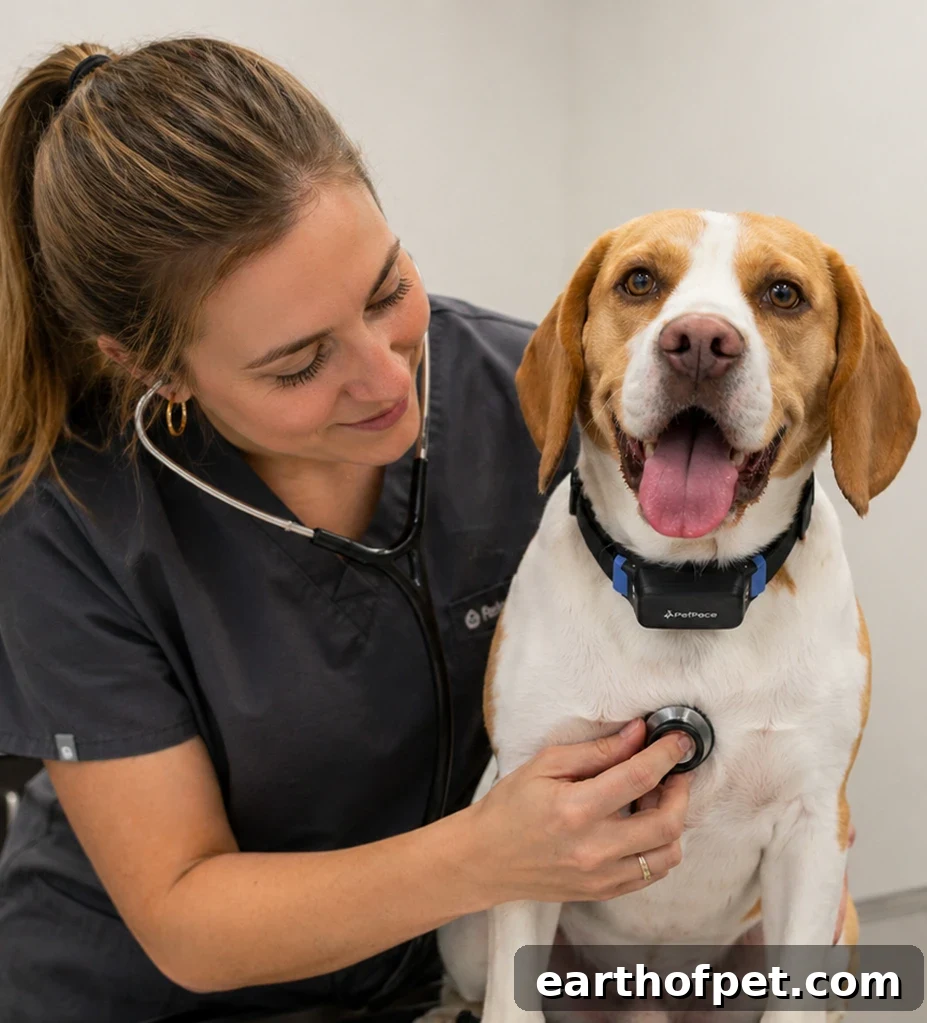
Caring for a senior dog is straightforward when you place nutrition and preventive care at the center. Older dogs typically benefit from diets formulated for joint support, healthy weight management, and digestive health. Choosing a clean, nutrient-dense diet that addresses age-related needs—along with regular veterinary checkups—helps maintain mobility, coat condition, and overall quality of life.
10. Saving a Life
Senior dogs are often overlooked in shelters and rescues, making adoption a deeply compassionate act. Bringing an older dog into your home can literally save their life and provide them with comfort and dignity in their later years. Giving a second chance to an older dog is one of the most meaningful ways to make a positive impact.
Welcoming a senior dog into your family can transform your home with calm companionship, clear expectations, and profound emotional rewards. If you’re considering adoption, take time to speak with shelter staff, schedule a veterinary assessment, and prepare a comfortable space so your new companion can settle in with confidence and ease.