
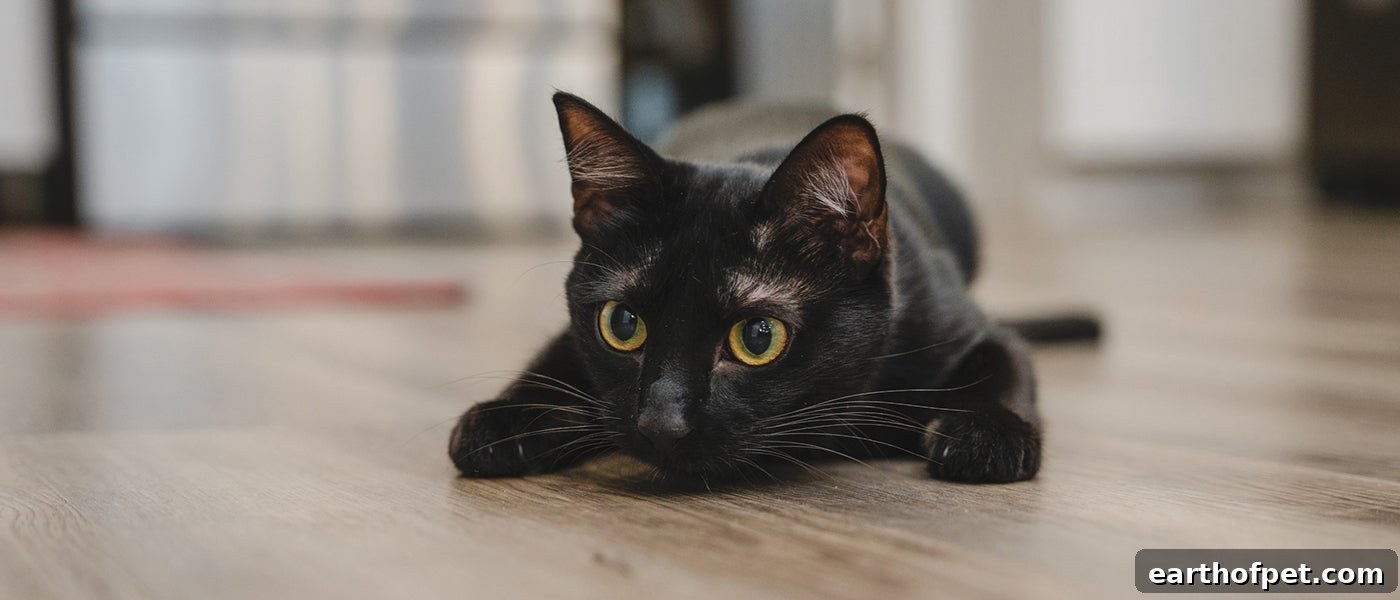
Cats do nap a lot, but long stretches of sleep can sometimes signal boredom rather than contentment. Despite their reputation for independence, many cats enjoy interaction with their favorite humans. Below are practical, easy-to-follow ideas to provide both mental and physical stimulation for your cat while improving your shared time together. These activities are suitable for indoor cats and can help prevent destructive boredom, encourage exercise, and strengthen the human–cat bond.
1. Tricks and Treats
Training your cat with simple cues is an excellent form of enrichment. Cats respond well to positive reinforcement—praise, attention, and small tasty rewards—so clicker training or a simple marker word works very well.
Let’s Start with “Sit”
To teach “sit,” hold a small treat slightly above and just behind your cat’s head so she naturally shifts her weight back and lowers into a sit to reach it. Say “sit” as she performs the action, then reward with the treat and enthusiastic praise. Repeating this in short sessions will help her associate the word with the behavior. Teaching your cat to sit on cue can reduce mealtime chaos (no winding around your legs) and gives you a calm, reliable way to interact at feeding times.
Kitty High Five
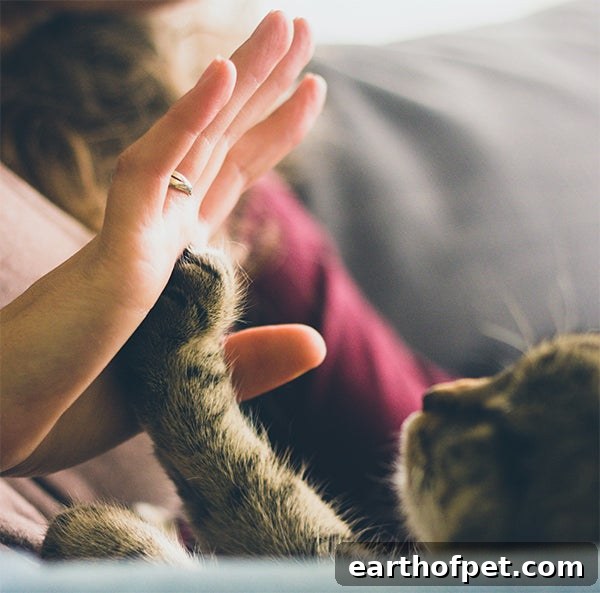
Once your cat consistently sits on cue, you can progress to a fun trick like a high five. Start by wiggling your fingers near her paw on the ground. When she bats or pats at your moving fingers, mark the moment (with a clicker or a clear word like “yes”) and give a treat. Gradually raise your hand a little higher so she lifts her paw to meet it, and continue marking and rewarding the contact.
Next, shape the behavior so she reaches toward your palm: move your hand slightly out of the direct path so she has to aim to touch it. Add a verbal cue such as “high five” or “paw” just before she performs the behavior, and reward immediately when her paw touches your hand. Use small, low-calorie crunchy treats so you can repeat the exercise several times without overfeeding. Short, consistent sessions (a few minutes, once or twice a day) work best for learning and retention.
Clicker or marker training can be expanded to many other tricks—targeting, heel-walking, or even light musical “playing”—and provides both mental challenge and a predictable routine your cat can enjoy.
2. Let the Indoor Hunt Begin
Hunting is a natural behavior for cats, and simulating that activity indoors keeps them engaged. Create a treasure hunt by hiding small treats, catnip toys, or kicker toys around the house. Include toys that roll or wriggle to stimulate curiosity and encourage stalking and pouncing. Rotate hiding spots and toy types to maintain novelty.
Puzzle feeders and treat balls are especially effective; they force a cat to problem-solve to retrieve food or treats, offering sustained mental stimulation. These toys can help prevent boredom when you’re away and reduce fast eating by slowing food consumption.
3. Wind It Up with Wands
Wand toys are one of the most efficient ways to engage your cat emotionally and physically. Use a lightweight wand with a realistic toy—feathers, faux fur, or small plush critters—to mimic prey movements. Move the toy in sideways, pendulum-like motions to encourage pouncing without having the cat lunge directly at you; this reduces the chance of accidental scratches.
Vary the play: trail the toy along the floor to encourage stalking, then lift it briefly to invite a leap. When your cat captures the toy, allow a brief moment of “victory” by letting her hold it under her paw; you can then revive interest by gently wiggling the toy. Some cats learn to pick up the toy and bring it to you, which is a cue for another round. Short, interactive sessions several times a day help burn energy and strengthen your bond.
4. A Room with A View
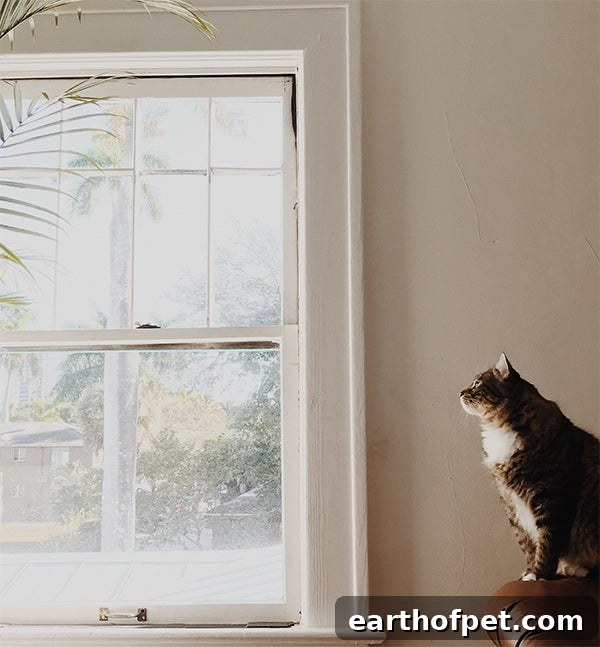
Providing a tall cat tree or condo near a window gives your cat a safe vantage point to watch birds, people, and neighborhood activity. Vertical space is valuable: it offers territory to climb and perch, provides an escape from other pets, and gives a comfortable place for supervised observation and naps. Window perches, shelves, or tall scratching posts add environmental complexity that indoor cats find rewarding.
5. Leash Walks Versus a Cat Stroller
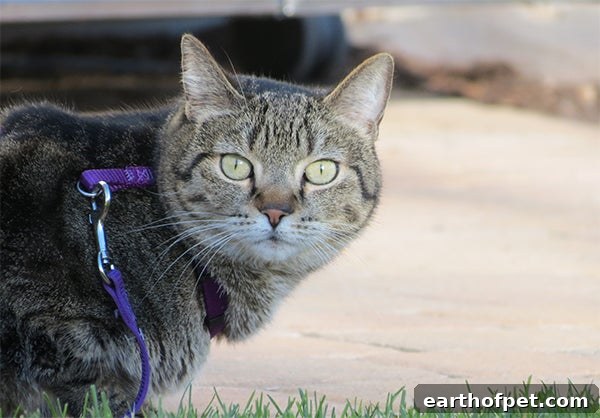
Training a cat to accept a harness and leash can expand her world safely while increasing exercise and enrichment. Many cats enjoy slow, supervised strolls, sniffing new scents and watching outdoor life. Leash training requires patience—start indoors, reward calm behavior, and gradually introduce short outdoor sessions in a quiet area.
Not every cat will take to leash walks. Personality, prior experience, and the local environment matter: if your neighborhood has many dogs or wildlife hazards, a cat stroller can be a great alternative. Strollers let your cat experience outdoor sights and sounds from a secure enclosure; you can sit and relax together while she observes the world. Both leash walks and stroller outings are excellent ways to provide variety, mental stimulation, and shared time outside the home.
Incorporating one or more of these activities into your routine will enrich your cat’s life, reduce boredom-related behaviors, and strengthen the bond between you. Short, consistent sessions with positive reinforcement—and a variety of toys and experiences—will keep your indoor cat curious, active, and content.