Many pet parents choose dog food without chicken for a variety of practical reasons. The most common is allergy: some dogs develop sensitivities or allergies to chicken, so eliminating it from their diet can resolve skin, ear, or digestive issues. Others simply prefer different flavors and benefit from rotating proteins to keep meals interesting. Offering variety also supports the trend of menu rotation, which can help prevent boredom and provide a broader range of nutrients. Mealtime is an important daily ritual and a chance to strengthen the bond between you and your dog.
Beyond taste and allergy concerns, there are other good reasons to pick a chicken-free dog food:
- Some chicken-free recipes provide higher overall protein levels and can be better suited to high-energy dogs with active lifestyles.
- Certain formulas include elevated amounts of glucosamine and chondroitin, which can be beneficial for dogs with joint stiffness or mobility issues.
- Recipes richer in Omega-3 and Omega-6 fatty acids may help dogs dealing with dry skin, dull coats, or inflammatory conditions.
Below are four high-quality protein alternatives to chicken, each commonly used in dog foods that exclude poultry:
Protein 1: Lamb
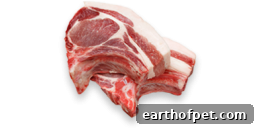
Lamb is a popular alternative protein for dogs with chicken sensitivities. It is a highly digestible, nutrient-dense meat that supports muscle maintenance and overall vitality. Lamb supplies essential amino acids necessary for growth and immune function, and its higher myoglobin content contributes to iron and B-vitamin levels, including vitamin B12.
Because lamb provides carnitine and other nutrients associated with heart and metabolic health, it can be a solid choice for active dogs needing sustained energy. Many lamb-based recipes combine lamb with legumes and vegetables to create balanced, poultry-free diets that are also gentle on sensitive stomachs.
Wellness CORE Lamb
A sample formulation features free-range lamb and lamb meal paired with peas, chickpeas, and pea protein to create a well-rounded, poultry-free option that avoids common fillers like potatoes, making it suitable for dogs with sensitive digestion.
Protein 2: Whitefish
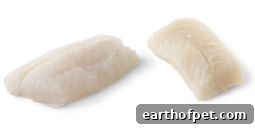
“Whitefish” refers to fish with light, flaky meat—examples include cod and pollock—and is prized for being low in fat yet rich in high-quality protein and essential nutrients. Whitefish contributes phosphorus for healthy bones and is a natural source of B vitamins such as B12 and B6, which support nerve function, red blood cell formation, and protein metabolism.
Fish-based diets are also valued for their omega fatty acids that support skin health and a shiny coat. Some dog food lines combine high-protein fish kibble with freeze-dried raw fish pieces to provide both the convenience of kibble and the palatability and nutritional benefits of raw protein.
Wellness CORE+ Ocean (Whitefish and Salmon)
A poultry-free fish formula blends fish-based kibble with freeze-dried whitefish pieces to boost protein and omega fatty acids, supporting skin, coat, and overall well-being without artificial additives.
Protein 3: Beef
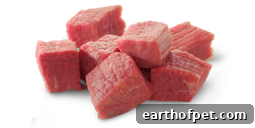
Beef remains a classic protein choice for dogs because of its comprehensive nutrient profile. It provides a range of B vitamins—including thiamine, riboflavin, niacin, pyridoxine, folate, and cobalamin—plus minerals such as iron, phosphorus, and zinc. These nutrients support energy metabolism, immune health, and bone structure.
Beef is also a natural source of carnitine, which plays a role in fat metabolism and can support heart health. Beef-based options are commonly available as complete meals or as toppers and mixers that add flavor and protein to a dog’s regular diet.
Wellness Bowl Boosters: Simply Shreds (Tuna & Beef)
This type of product is typically sold in pouches as a tasty mixer or snack. Shredded proteins combined with vegetables in a savory broth make it easy to enhance the flavor and nutrition of a dog’s meal.
Protein 4: Turkey
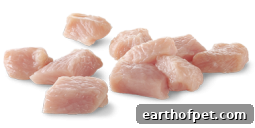
Though turkey is also a poultry meat, its nutrient composition can differ from chicken enough that many dogs who react to chicken tolerate turkey well. Turkey is a lean, digestible source of protein high in B vitamins and minerals like selenium, zinc, and phosphorus, which all contribute to immune health and strong bones.
While turkey is considered poultry, its nutrient properties are distinct from chicken, making it a viable alternative for some chicken-sensitive dogs.
CORE 95% Turkey with Spinach
This type of canned or pouch formula emphasizes turkey as a single-source protein and pairs it with nutrient-rich spinach and omega-3s from flaxseed. Its pâté texture makes it versatile as a complete meal or a flavorful topper to boost protein and palatability.
Choosing a chicken-free dog food can address allergies, improve palatability through recipe rotation, and provide targeted nutrition—whether your priority is joint support, skin and coat health, or higher protein for active dogs. If you’ve tried any of these chicken-free proteins with your dog, consider sharing photos on social media and tagging the brand for community features—many pet food brands celebrate customer photos and stories.