Dental disease is the most common health problem affecting dogs, so every pet owner should understand how to prevent and manage it through daily at-home dental care. Knowing the difference between plaque and tartar is the first step to protecting your dog’s oral health and overall wellbeing.
Let’s Start With Comparing Dog Plaque vs Tartar:
Plaque:
Plaque is a soft, sticky film made up of food particles, saliva and bacteria. It adheres to the tooth surface and builds quickly unless removed. Because it is soft, plaque can usually be removed with regular brushing, dental chews, or veterinary dental products formulated to reduce bacterial buildup.
Tartar (calculus):
Tartar is what happens when plaque mineralizes and hardens—sometimes within as little as 48 hours. Once hardened, tartar becomes a rough, yellow to brown deposit that is much harder to remove and often accumulates on the molars and premolars at the back of the mouth. Tartar can extend below the gum line where it contributes to inflammation and deeper periodontal problems.
The Process of Dental Disease
Dental disease in dogs begins with plaque formation on the tooth surface. As plaque accumulates and hardens into tartar, it creates an environment that promotes bacterial growth. Bacteria and tartar along the gum line trigger the dog’s immune response, attracting white blood cells and causing gum inflammation (gingivitis), which appears as red, swollen gums. Left untreated, this inflammation can progress to damage of the tissues supporting the teeth, including the bone. Advanced periodontal disease can lead to pain, tooth looseness, tooth loss, and can even affect other organs if bacteria enter the bloodstream. Regular daily care and routine veterinary checks are essential to slow or stop this progression.
How Do I Know If My Dog Has Plaque or Tartar Buildup?
Signs that your dog may have plaque, tartar, or dental disease include persistent bad breath, yellow or brown staining on the teeth (especially on back teeth), red or swollen gums, drooling, difficulty chewing, dropping food from the mouth, or a change in appetite—such as reluctance to eat dry kibbles. You may notice your dog favoring one side of the mouth or pawing at the face. Bad breath is a very common early warning sign: it should not be dismissed as “normal” dog breath.
What Should I Do If My Dog is Showing Signs of Tartar or Plaque?
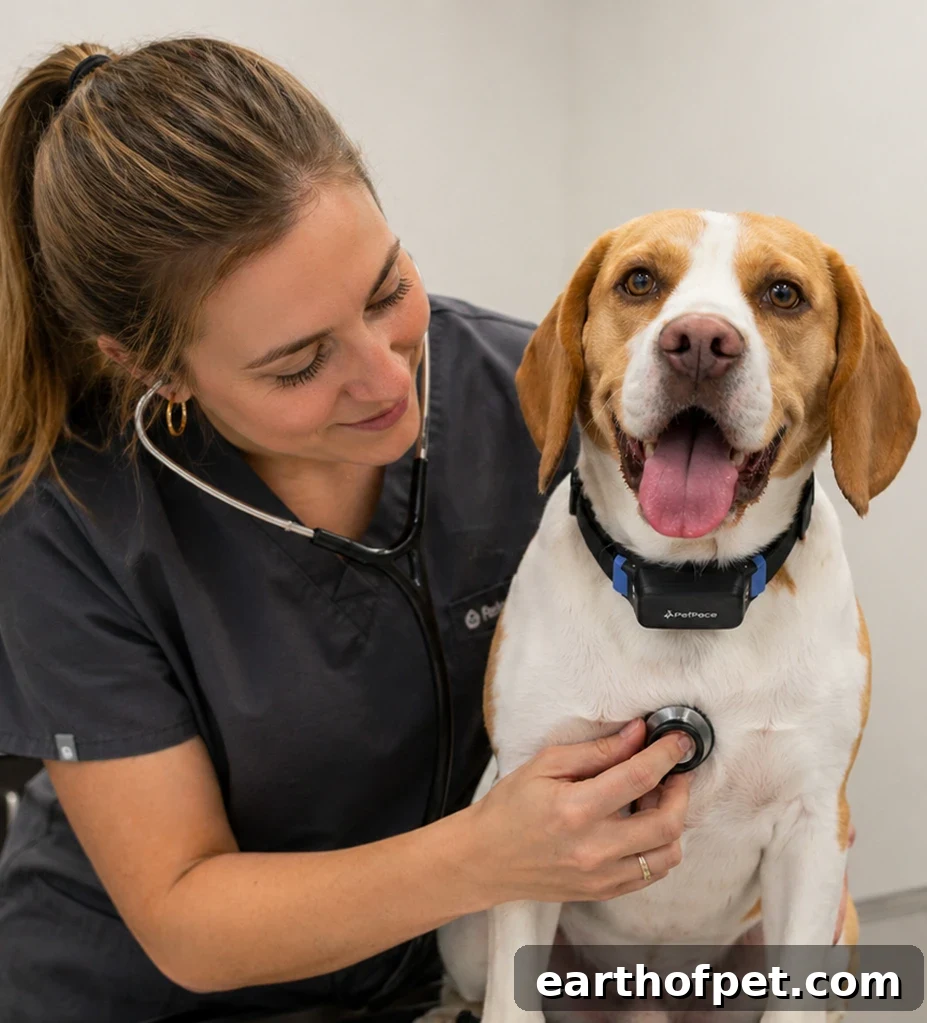
If you suspect dental disease, schedule an appointment with your veterinarian for a full oral examination. The veterinarian can assess the extent of plaque and tartar, check for gum disease, and recommend the appropriate treatment. Professional dental cleaning is often necessary to remove hardened tartar and clean below the gum line; these procedures are typically performed under anesthesia to allow a thorough and safe cleaning. After professional treatment, an ongoing at-home dental care plan will be critical to prevent recurrence.
At Home Dental Care Tips
Daily at-home care is the most effective way to reduce plaque and prevent tartar buildup. The gold standard is brushing your dog’s teeth daily with a toothbrush and toothpaste specifically made for dogs—never use human toothpaste, which can upset your dog’s stomach. Start slowly, using positive reinforcement and short, gentle sessions until your dog becomes comfortable.
If daily brushing is not feasible, there are excellent alternatives that can still help maintain dental health. Dental chews, dental-specific diets, water additives, and approved oral rinses can reduce plaque and freshen breath. Feeding appropriate chew toys that promote mechanical cleaning can also help, but choose items that are safe and matched to your dog’s size and chewing strength to avoid tooth fractures.
Some pet owners find daily brushing difficult; studies suggest only a small percentage of pet owners brush consistently. If brushing is not possible, consider giving veterinary-recommended dental chews daily and scheduling more frequent professional cleanings. When choosing products, look for those with evidence of efficacy and consult your veterinarian about the best options for your dog’s age, breed, and dental condition.
Finally, maintain regular veterinary wellness visits so your veterinarian can monitor your dog’s oral health, advise on preventive measures, and treat dental issues early. Early intervention and consistent at-home care are the most reliable ways to keep your dog’s teeth and gums healthy for life.