At Wellness Pet, we believe a happy dog is a healthy dog—and true wellness reaches far beyond nutrition. Regular walks and playtime keep your dog physically fit, but mental stimulation is equally important. Boredom can lead to restlessness, destructive chewing, excessive barking, or signs of anxiety. According to Guide Dogs UK, nearly three-quarters of dogs show signs of depression or anxiety, underscoring how vital mental enrichment is for a pet’s overall well-being.
If you’re wondering, “How can I mentally stimulate my dog at home?” here are five practical, expert-approved ways to exercise your dog’s brain without stepping outside. These activities boost focus, reduce stress, and deepen the bond between you and your dog.
How Can I Mentally Stimulate My Dog at Home?
1. Master a New Trick with Positive Reinforcement
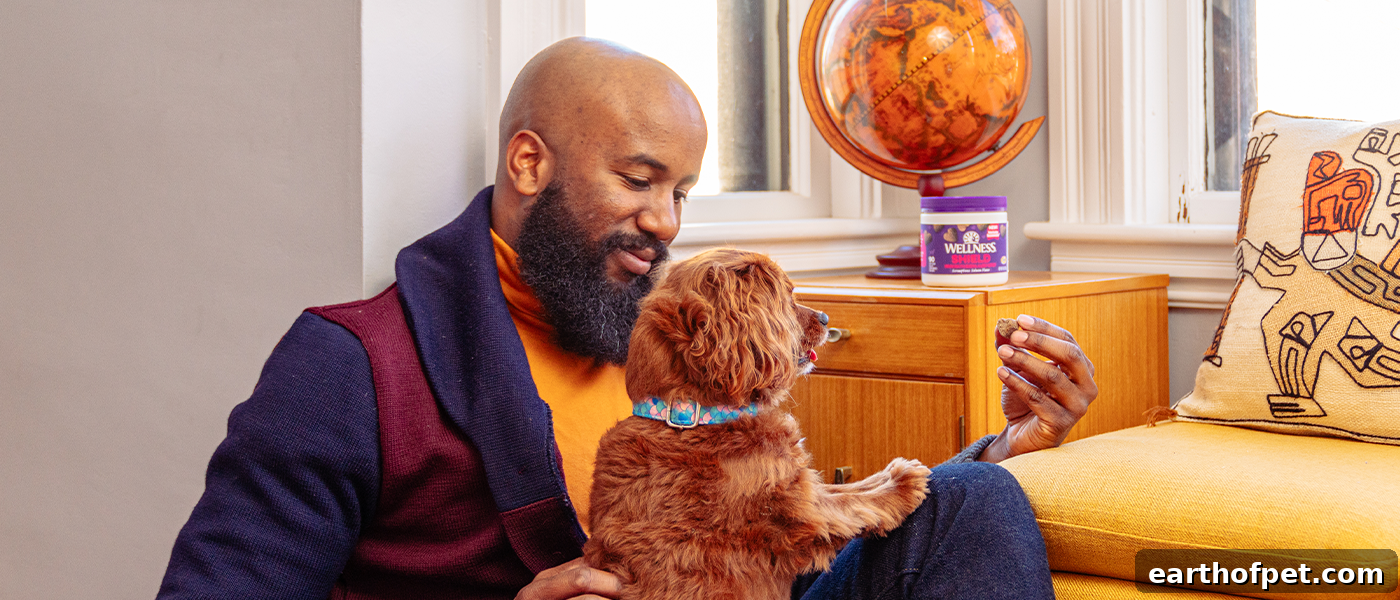
Training is a form of communication and a powerful mental workout. Use rewards-based techniques—clicker training, treats, or enthusiastic praise—to reinforce desired actions. Work with shaping: break a complex behavior into tiny steps and reward each incremental improvement. For example, if teaching “roll over,” first reward lying down, then shifting weight, then the partial roll, and so on. Short, frequent sessions (5–10 minutes several times a day) are more effective than long, tiring lessons. This approach builds confidence, strengthens problem-solving skills, and improves responsiveness to cues.
2. Introduce Doggy Puzzle Toys
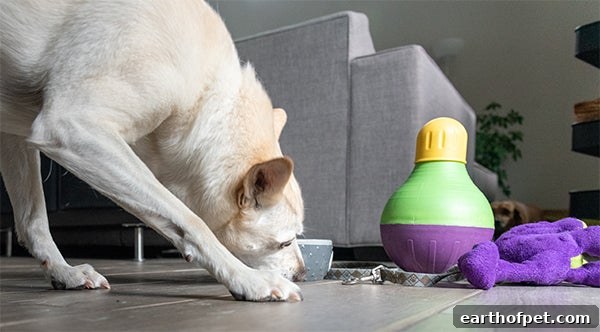
Puzzle toys are ideal when you need quiet focus time or when you want to give your dog a constructive challenge. Toys that hide treats or require sliding, flipping, or lifting parts force your dog to think and manipulate objects to get rewards. Start with an easier puzzle so your dog experiences success, then gradually increase difficulty. Rotate different puzzles to keep novelty high and prevent boredom. Puzzle toys also slow down fast eaters, providing both mental stimulation and better digestion.
3. Play Scent and Nose Games
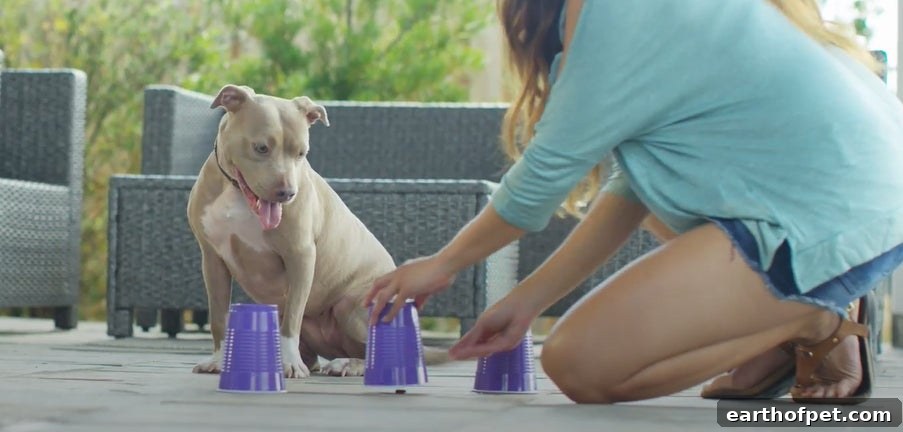
A dog’s nose is one of its greatest assets. Scent games tap into natural tracking instincts and provide deep cognitive engagement. Begin with simple hide-and-seek: show your dog a treat or toy, let them watch you put it under a cup or behind a cushion, then encourage them to find it. Gradually make the hiding places more challenging and introduce multiple hiding spots. You can hide favorite toys around a room, create scent trails, or scatter kibble across different surfaces. These exercises sharpen focus, reduce anxiety, and are especially beneficial for breeds bred for scent work.
4. Practice Impulse Control Drills
Impulse control is a cornerstone of a well-balanced dog. Exercises such as “stay,” “wait,” and “leave it” teach patience and emotional regulation. Start with short durations and minimal distance—ask for a one- or two-second wait and reward immediately. Gradually increase the wait time and add distractions. Use high-value treats for proofing in challenging environments. These drills improve a dog’s tolerance of frustration, lower stress in stimulating situations, and enhance overall obedience.
5. Create a DIY Indoor Obstacle Course
Transform a hallway or living area into a home agility course using everyday items. Teaching your dog to navigate obstacles develops coordination, confidence, and mental flexibility. Examples of simple, safe obstacles include:
- Brooms & Pillows: Set up low jumps for small hops or step-overs.
- Buckets: Line up buckets as makeshift weave poles.
- Blankets & Chairs: Drape a sheet over two chairs to create a short tunnel.
Teach each element separately with positive reinforcement, then combine them into a short course. Keep sessions upbeat, reward progress, and ensure obstacles are stable and appropriate for your dog’s size and mobility.
Why Mental Stimulation Matters for Pet Wellness
Mental enrichment is not just a boredom buster—it’s a vital part of preventive health and emotional balance. Regular brain work can:
- Reduce anxiety: Focus-driven games lower stress and channel energy positively.
- Slow cognitive decline: Mental challenges help keep older dogs engaged and mentally sharp.
- Strengthen your bond: Shared training and play foster trust, communication, and companionship.
Combine mental enrichment with balanced nutrition and regular physical activity for a comprehensive wellness routine. Observe your dog’s responses—if an activity causes stress or fear, simplify it or try a different approach. Each dog is unique; adapt games to match age, breed, and energy level.
🐾 Join the Wellness Community
If you’d like ongoing tips on keeping your dog mentally and physically healthy, consider signing up for newsletters and resources from trusted pet-care providers to receive the latest guidance on enrichment, training, and nutrition. With consistent mental stimulation, you’ll help your dog stay calmer, happier, and more fulfilled every day.