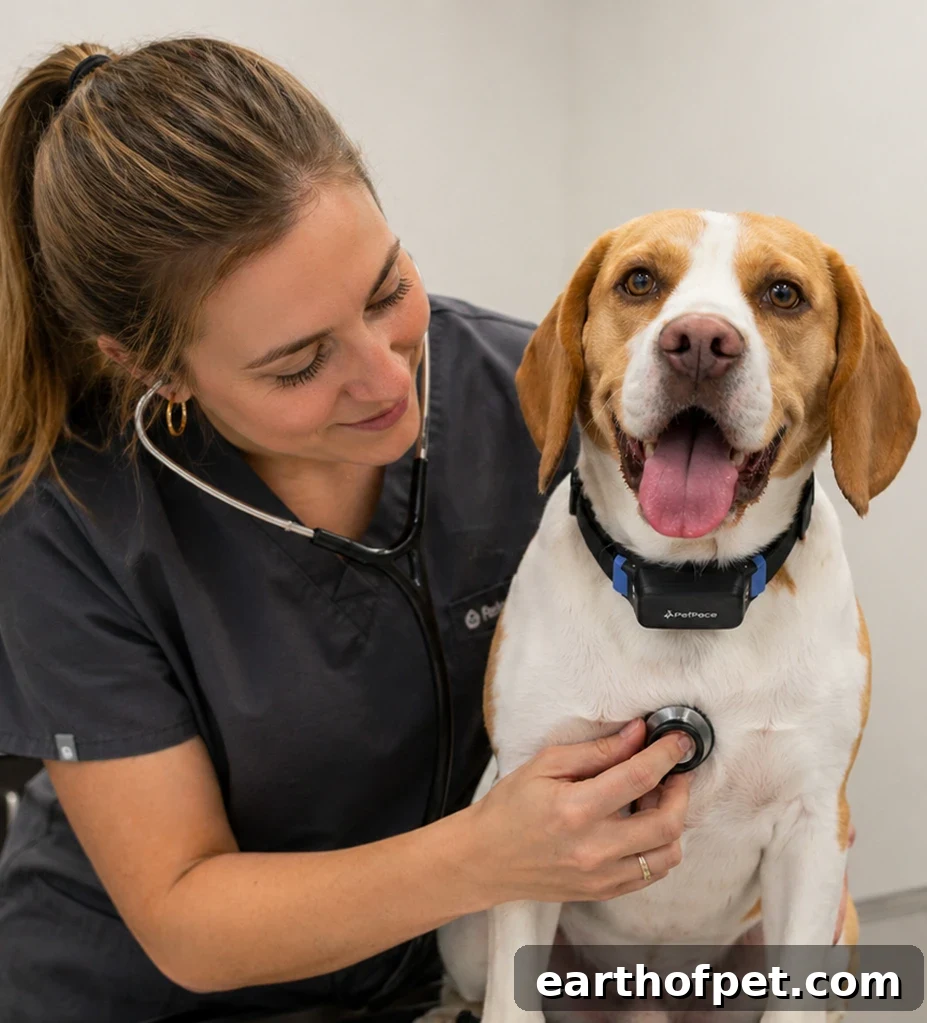
Smart pet technology is changing how pet owners monitor and manage the health and safety of dogs and cats. Advances in smart collars and wearable devices now combine GPS tracking, activity logs, and health monitoring to give pet parents timely, actionable insights into their animals’ behavior and well-being. These tools are especially useful for busy households, pet owners of senior animals, and anyone wanting to be proactive about preventive care.
Modern smart collars and trackers bring together several capabilities in one device. GPS tracking and geofencing help owners locate pets quickly and receive alerts if a pet leaves a predefined area. Activity and sleep monitoring track how much a pet moves and rests, highlighting changes that may signal pain, stress, or lifestyle shifts. More advanced health-focused wearables measure vital signs such as heart rate and respiration, and they can detect deviations from a pet’s normal baseline. When combined with historical trends, these measurements can help identify subtle changes early—often before symptoms become obvious to the owner.
Common features and benefits of smart pet wearables include:
- Real-time location tracking and customizable geofence alerts to reduce the risk of lost pets.
- Activity monitoring that shows daily movement patterns, exercise levels, and sleep quality.
- Health metrics tracking—such as heart rate variability and respiration—that may reveal early signs of illness or discomfort.
- Data sharing options that allow pet owners to provide veterinarians with objective records for better-informed consultations.
- Notifications and early alerts for unusual changes so owners can act quickly when needed.
These devices are increasingly becoming tools for preventive veterinary care. By giving owners and clinicians access to continuous, objective data, wearables make it easier to spot gradual declines in mobility, worsening chronic conditions, or behavioral changes that warrant attention. That said, wearable devices are supplements—not replacements—for regular veterinary exams, laboratory testing, and professional medical advice.
When choosing a smart collar or wearable, it’s important to weigh several practical considerations. Battery life and how often devices need charging will influence daily use. Device fit and comfort are essential to avoid irritation and to ensure accurate readings—especially for collars that require good contact with the skin. Data accuracy and validation matter; look for devices with clear descriptions of what they measure and how measurements are taken. Privacy and data security are also important: check how a manufacturer stores and protects health and location data. Finally, consider compatibility with your smartphone and any subscription plans required for features like cellular GPS or cloud-based analytics.
PetPace Spotlight
The article highlights the PetPace Smart Health Monitoring Collar as a wearable designed with a health-first approach, particularly suited for senior dogs and pets with medical conditions. Rather than focusing solely on location, PetPace emphasizes continuous physiological monitoring and wellness insights to support ongoing health management.
Key PetPace features described include:
- Continuous monitoring of vital signs to establish personalized health baselines over time.
- Early health alerts that notify owners to unusual changes in physiology or behavior.
- Capabilities for sharing objective data with veterinarians to assist in diagnosis and treatment planning.
- Support for proactive health management, helping owners and clinicians detect trends and intervene earlier.
By concentrating on real-time health data in addition to location and activity, health-oriented wearables like PetPace aim to provide deeper wellness insights that can complement routine veterinary care. Owners of aging pets or animals with chronic issues may find particular value in devices that highlight early deviations from normal patterns so they can seek veterinary advice sooner.
While no single device can guarantee prevention or diagnosis, a well-chosen wearable can be a powerful addition to a pet care routine—bridging the gap between clinic visits and daily life. When evaluating options, prioritize comfort, measurement validity, data security, and clarity about what the device can and cannot do. Combining wearable data with regular veterinary guidance can support better outcomes and more informed decisions about your pet’s health.
Read the full article on PetPlace.