Spring is the season of renewal, and at Wellness Pet we know there’s nothing better than spending a sunny afternoon in the garden with your four‑legged friends. Designing a beautiful backyard oasis takes more than a green thumb—it takes a pet‑first approach to ensure your dogs and cats can safely sniff, play, and explore.
Whether you’re an experienced gardener or a weekend patio planter, this guide to non‑toxic plants for dogs and cats will help you create a vibrant, pet‑safe sanctuary that encourages natural curiosity while minimizing risks.
How can I tell if a plant is safe for my pet?
Before you shop at the nursery or add new plants to your yard, remember that many common garden favorites can be harmful if chewed or swallowed. Pets—especially puppies and kittens—often investigate with their mouths, so choosing pet‑safe plants and placing risky species out of reach are key steps in preventing accidental poisoning.
Safe vs. Toxic: Quick reference for pet parents
To simplify shopping and planning, we’ve grouped popular spring plants into safe and potentially harmful categories. If you already have toxic plants in your garden, consider relocating them to a fenced area, moving them out of reach, or replacing them with safer options.
|
Plant Type |
Safe & Non‑Toxic (Go List) |
Toxic & Harmful (Avoid) |
|
Flowers |
Marigolds, Petunias, Snapdragons, Zinnias |
Lilies (especially for cats), Azaleas, Tulips |
|
Herbs |
Basil, Rosemary, Dill, Thyme |
Chives, Garlic, Oregano (in large amounts) |
|
Ferns |
Boston Fern, Maidenhair Fern |
Sago Palm, Asparagus Fern |
|
Groundcover |
Irish Moss, Creeping Thyme |
English Ivy, Periwinkle |
Best non‑toxic flowers for a dog‑friendly yard

Dogs enjoy gardens that engage their senses. Choose plants with interesting textures and pleasant scents that are safe to sniff and explore. A few top picks for a dog‑friendly flower border:
- Sunflowers: Tall, cheerful, and non‑toxic—sunflowers add height and visual interest while being safe for curious noses.
- Marigolds: Bright, hardy, and helpful for deterring some garden pests; marigolds are safe around pets.
- Snapdragons: Colorful and sturdy, snapdragons provide playful blooms without toxicity concerns.
Which plants pose a danger to cats?

Cats often nibble and climb, so even plants placed on shelves or in hanging baskets can become a risk. Be especially cautious with the following:
- True Lilies: Species in the Lilium and Hemerocallis groups are highly toxic to cats. Ingesting pollen, petals, or even water from a vase containing lilies can cause severe kidney damage. For cat‑safe floral color, consider African violets or orchids instead.
- Sago Palm: Extremely dangerous for both cats and dogs—every part of this plant is toxic, with seeds (often called nuts) being particularly harmful. Avoid Sago palms entirely if you share your home or yard with pets.
How can I keep my pet out of my plants?
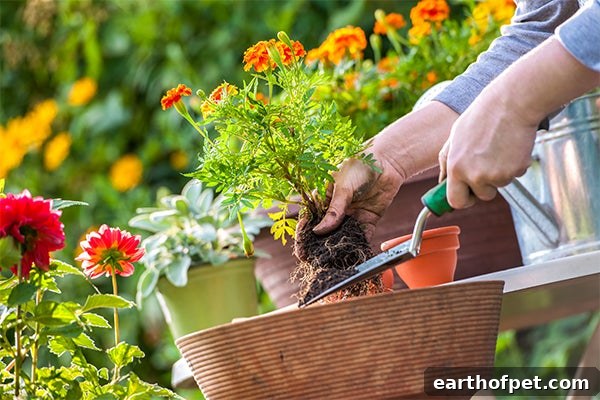
Planting pet‑safe species is the first step, but you’ll also want strategies to protect fragile seedlings and prevent digging or trampling:
- Use raised beds: Elevating planter beds makes it harder for dogs to reach young plants and helps define garden space.
- Create pet paths: Lay mulch, gravel, or stepping stones to guide pets along designated routes and away from delicate areas.
- Choose pet‑safe mulch: Avoid cocoa bean mulch, which contains theobromine (a compound toxic to pets). Safer options include cedar or hemlock mulch, or rubber and gravel alternatives.
- Barrier plants and edging: Low, dense groundcover or decorative edging can discourage curious pets from entering beds.
Does my pet’s diet affect lawn grazing?
Pets sometimes nibble grass or plants because they need more fiber, are seeking certain nutrients, or are simply bored. Managing nutrition, exercise, and enrichment can reduce unwanted grazing behavior. A balanced, high‑quality diet that meets fiber and nutrient needs supports digestive health and can minimize the urge to snack on yard plants. Always ensure your pet has access to fresh water while outdoors.
For nutritional guidance, consult your veterinarian or a trusted pet nutrition resource to choose a diet that suits your pet’s life stage and health requirements.
Frequently Asked Questions
Are roses toxic to dogs?
Common garden roses are not toxic to dogs or cats. The main hazards are physical: thorns can cause cuts or mouth injuries, and some fertilizers or plant treatments may be harmful. Use organic, pet‑safe products whenever possible.
What should I do if my pet eats a toxic plant?
If you suspect your pet has ingested a poisonous plant, contact your veterinarian or an animal poison control service immediately. Watch for symptoms such as vomiting, lethargy, drooling, difficulty breathing, or changes in appetite or behavior, and be ready to describe the plant involved.
Can I create a safe “cat garden”?
Yes—planting a dedicated area with catnip, cat grass (oat or wheatgrass), and valerian gives cats a safe place to nibble and roll without threatening other ornamental plants. Keep these herbs contained in pots or a designated bed to limit spread and protect other garden zones.
At Wellness Pet, we believe every part of your pet’s environment—from their food to the backyard—should support wellbeing. Join the Wellness community for gardening guides, nutrition tips, and exclusive offers delivered to your inbox. Happy, safe gardening!