Pet Sitter Education Month: What It Is and Why It Matters
Each September marks Pet Sitter Education Month, an initiative led by Pet Sitters International to raise standards of care and increase knowledge among professional pet sitters and caregivers. This month focuses on improving practical skills—everything from updated pet first aid and CPR to safe medication administration, handling behavioral issues, and adapting care during public-health events such as a pandemic. As the needs of pets and their families evolve, ongoing education helps sitters provide safer, more reliable service tailored to each animal’s unique personality and health requirements.
Pet Sitter Education Month is also a useful reminder for pet owners: investing time in vetting and preparing for a pet sitter pays off. Well-trained sitters bring best practices to feeding, exercise, medication, and emergency response, which reduces stress for both the pet and the owner. In short, a professional who has kept up with current training offers greater confidence and better outcomes than an untrained or informal caregiver.
Using a Pet Sitter Checklist to Find a Pet Sitter
Choosing the right person to care for your pet is important. You wouldn’t leave medical care to an unqualified stranger, and the same level of care should apply when selecting someone to look after your companion. A professional approach to hiring—using an interview checklist and clear selection criteria—helps you identify a reliable sitter who meets your expectations.
When interviewing candidates, ask focused questions and confirm credentials. Pet Sitters International provides a comprehensive interview checklist (PDF) that many owners and providers use as a guide. Key items to include when screening a potential sitter are:
- Licensing, permits, bonding, and insurance for the sitter or company—these protections matter if something goes wrong.
- Background checks—ask whether the sitter can provide documentation showing a clear criminal history.
- References—request contact information for previous clients and follow up to hear about real experiences.
- Service contracts—use a written agreement that outlines duties, fees, cancellation policies, and responsibilities.
- Training and certifications—verify first aid, CPR, or specialized training for medical or behavioral issues.
- Professional affiliations—membership in industry organizations can indicate ongoing education and a commitment to standards.
Expecting these qualifications is reasonable; a professional sitter protects your pet and your home. Thorough vetting prevents common problems—missed medications, inadequate exercise, or unsafe handling—and ensures your pet receives consistent, competent care while you are away.
Creating a Pet Sitter Checklist for Your Pet
After selecting a sitter, prepare a detailed pet-sitter checklist for your home. A clear, organized document reduces confusion and helps the sitter deliver care that matches your routine. You can adapt templates found online or create your own. A good checklist typically includes the following sections and details:
- Home access and security: Provide entry instructions, alarm codes, which door to use, where to leave keys, and any gate or building access details.
- Important phone numbers: List your contact information, emergency contacts, your veterinarian’s phone and address, and the nearest 24-hour emergency clinic. Include business hours where helpful.
- Medications and allergies: Detail each medication’s name, dosage, administration route, and schedule. Note any known allergies or dietary restrictions and describe the preferred method for giving pills or supplements.
- Health and behavioral considerations: Describe issues such as mobility limitations, anxiety triggers, aggression, or chronic conditions. Include instructions for handling stress, separation anxiety, or interactions with children and other pets.
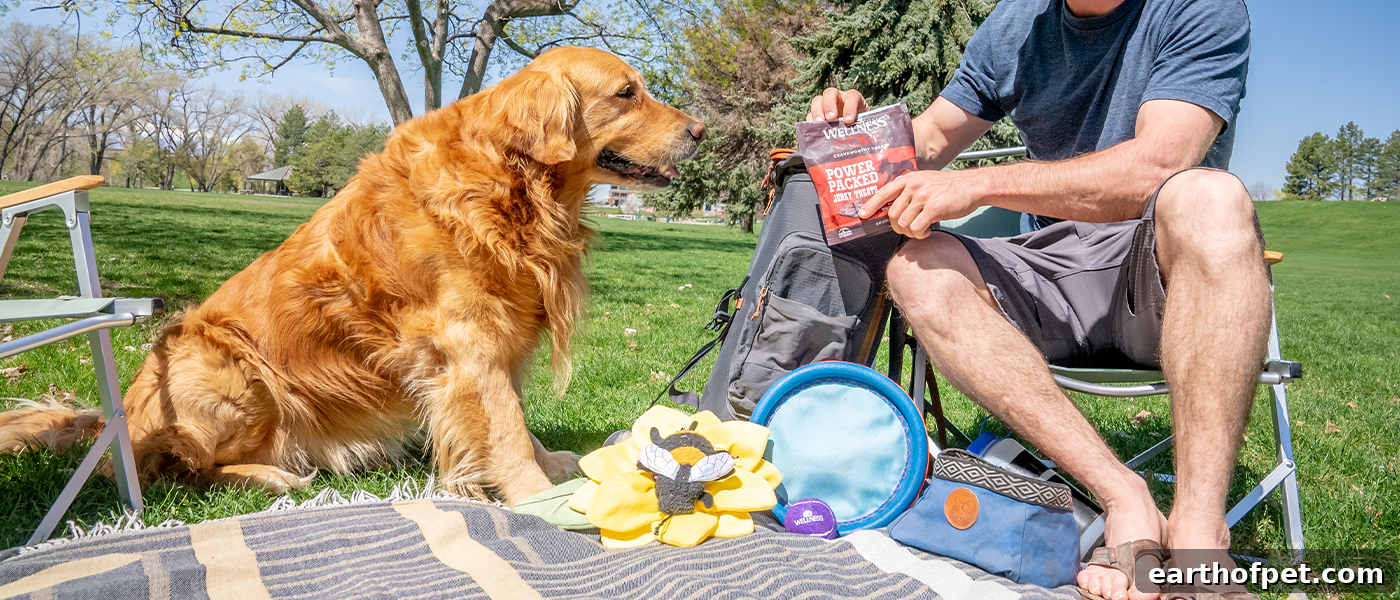
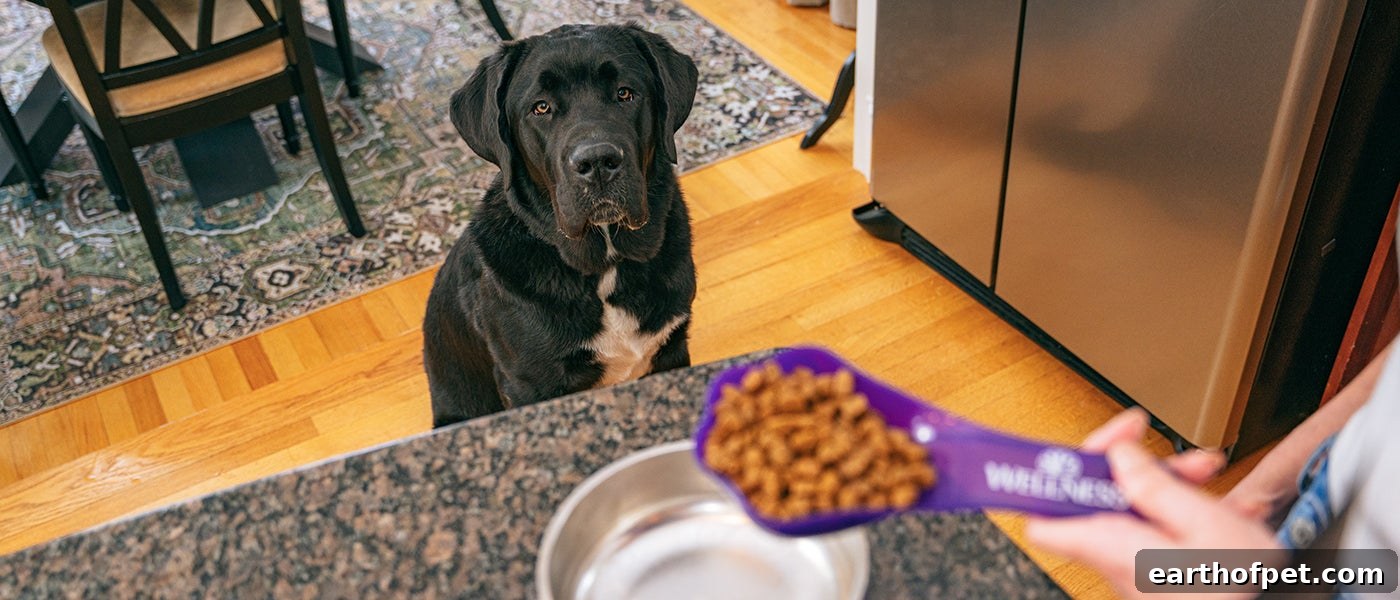
- Feeding schedule and portions: Specify food brand, type, portion sizes, feeding times, and whether food is free-fed or portion-controlled. Clarify treats and any foods to avoid.
- Exercise, play, and rest routine: Explain daily activity needs—walk length and frequency, leash preferences, safe play toys, and rest or crate routines. Note outdoor off-leash rules and areas to avoid.
- Routine care tasks: Include grooming needs, tooth brushing, nail trims, ear cleaning, and any other regular care items expected during the sitter’s visits.
- Cleaning and mess protocols: Provide cleaning supplies and instructions for common situations (accidents, mud, vomit). Clarify surfaces to avoid certain cleaners on to prevent damage.
- Emergency plan: Outline steps to take in an emergency, who to contact first, and where to transport the pet if the owner is unreachable. If consent is required for veterinary treatment, state how that should be handled.
- Behavioral rewards and comfort: Describe what calms and motivates your pet—favorite treats, toys, phrases, or calming techniques—to help the sitter build trust quickly.
A Pet Sitter Checklist: Final Thoughts
Preparing two checklists—one for interviewing and one for in-home care—makes the entire process smoother. The interview checklist helps you find a sitter with the right qualifications, while the home checklist ensures they can follow your pet’s routines and respond correctly in any situation. Together, these tools protect your pet’s health and safety and give you peace of mind while you’re away.
Ultimately, the goal is consistent, compassionate care provided by someone you trust. Whether you’re booking for a short trip or a longer absence, an organized approach and clear communication set the stage for a positive experience—for you, your pet, and the sitter. Many pet owners also find comfort knowing their pets receive high-quality nutrition and attentive care that aligns with their family’s standards, such as carefully selected premium pet food and routine wellness practices.