Does your dog’s scratching drive you nuts? Itchiness in dogs is a very common problem, and the most likely causes are parasites (such as fleas) or allergies. Managing allergic skin disease in dogs can be frustrating, but there are many treatment options—some well established, others newer and targeted. This article outlines the common causes, symptoms, and practical approaches to controlling allergic dermatitis (atopy) in dogs.
Atopy in Dogs is Common
Atopy, an allergic reaction to environmental substances such as pollen, mold spores, or dust mites, affects a large number of dogs. It is one of the most frequently diagnosed chronic health problems in dogs. There is no permanent cure for atopy because it results from an immune system programmed to overreact to otherwise harmless environmental proteins. Fortunately, modern treatments can control the immune response and relieve symptoms. Although managing atopy can be costly and require ongoing effort, more therapeutic options are available today than in the past, so owners with persistent problems should revisit treatment plans with their veterinarian.
The Symptoms of Atopic Dermatitis in Dogs
If your dog is itchy despite good parasite prevention, schedule a veterinary checkup to identify the cause. Symptoms of atopic dermatitis are often non-specific, but typical signs include:
- Frequent itching, especially affecting paws, face, armpits, groin, and belly
- Recurring skin infections
- Chronic or recurrent ear infections
- Areas of thickened or discolored skin from repeated licking and scratching
Treatment of Atopy in Dogs
In theory, the simplest approach is to avoid the trigger allergen, but when the triggers include pollens, grass, molds, and dust mites, total avoidance is often impossible. Practical treatment focuses on three goals: limit allergen exposure, strengthen the skin’s natural barrier, and reduce the immune system’s overreaction.
Limiting Allergen Exposure
The allergic reaction begins when environmental allergens contact the dog’s skin. Reducing how long and how much allergen remains on the coat lowers the chance of triggering symptoms. Simple hygiene measures can make a meaningful difference:
- After walks, wipe down the dog’s ears, paws, belly, groin, and armpits with a damp cloth to remove pollen and dust.
- Bathe the dog regularly using a mild, moisturizing hypoallergenic shampoo or a medicated shampoo recommended by your veterinarian.
- If a specific allergen is known, try to minimize exposure when possible—for example, avoid freshly cut lawns if your dog reacts to grass pollen.
Improve the Skin’s Defenses
In dogs, allergens typically penetrate through the skin, so a healthy skin barrier is essential for protection. Measures that support skin health can reduce flare-ups and improve quality of life:
- Topical moisturizers and sprays: Products formulated for canine skin that restore lipid balance and hydration help keep the skin supple and more resistant to environmental triggers. Look for formulations containing ceramides and balanced essential fatty acids.
- Dietary essential fatty acids (EFAs): A diet rich in omega-3 and omega-6 fatty acids supports skin cell health from the inside out, helps maintain moisture, and provides a mild anti-inflammatory effect.
- Good skin hygiene: Atopic dogs often struggle to control the growth of bacteria and yeasts on their skin. Regular cleansing with appropriate medicated shampoos or wipes can remove microbes and reduce secondary infections.
- Antibiotics when needed: Secondary bacterial infections are common in dogs with compromised skin barriers and can intensify itching. Short courses of appropriate antibiotics, prescribed by a veterinarian, may be necessary to resolve infection and break the itch-scratch cycle.
Tone Down the Immune System
If allergen reduction and improved skin care are not enough, targeted therapies to modulate immune activity are available. These range from allergen-specific immunotherapy to a variety of medications:
- Allergen-specific immunotherapy (ASIT): Often called allergy shots, ASIT involves exposing the dog to small, controlled amounts of identified allergens to build tolerance. About a portion of dogs respond very well, a similar portion improve moderately, and some show little benefit. Immunotherapy can take months to show an effect and tends to be expensive, but it can reduce reliance on other medications for responsive patients.
- Medications: Several drug classes can control itching and inflammation. Each has advantages and limitations:
- Corticosteroids (e.g., prednisolone): Steroids act quickly and are very effective for severe flare-ups. They are inexpensive, but long-term or high-dose use carries risks such as increased thirst, increased urination, weight gain, and the potential to induce conditions like diabetes or Cushing’s disease.
- Calcineurin inhibitors and JAK inhibitors (e.g., cyclosporine, oclacitinib): These newer oral medications reduce immune-driven itch with fewer steroid-like side effects and are effective for many dogs. The main drawback is cost, especially for larger dogs on chronic therapy.
- Monoclonal antibody therapy (e.g., lokivetmab): Administered as an injection, this targeted treatment blocks key immune molecules involved in itching. Many dogs experience significant improvement after a monthly injection; side effects are generally uncommon.
What about antihistamines? While effective for human hay fever, antihistamines rarely provide complete relief for canine atopy. Some dogs may get modest benefit or use antihistamines as an adjunct to lower required doses of other drugs, but most dogs with moderate to severe atopic dermatitis need more potent treatments.
Recognize What Works and What Doesn’t
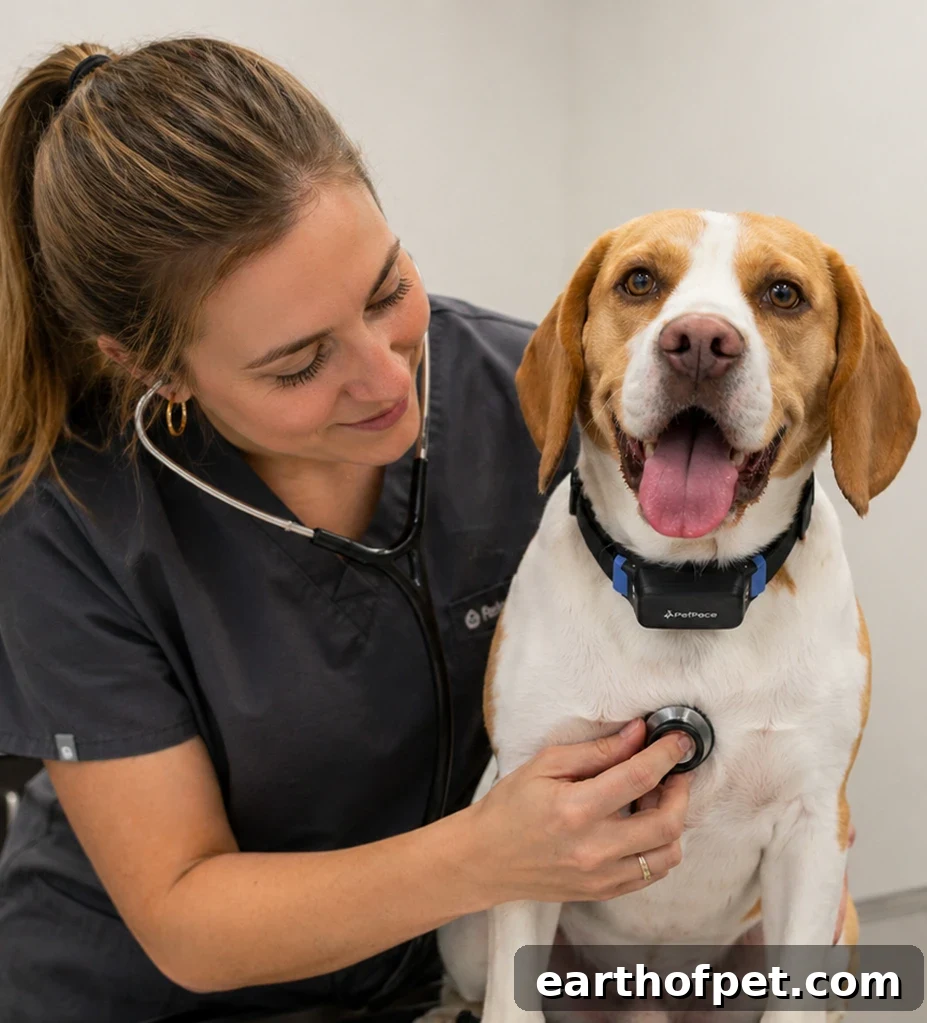
Every dog responds differently, so careful monitoring helps identify which strategies are most effective. A practical approach is to score your dog’s itch on a daily basis—zero for no itch, ten for constant scratching—and keep a simple journal. Tracking these scores over days and weeks reveals trends and helps evaluate the effect of treatments. Activity monitors or collars that record restlessness can also detect nighttime scratching or changes in activity related to discomfort.
If your dog has been diagnosed with an allergy, work closely with your veterinarian to build a tailored management plan. Combining sensible environmental control, skin-supportive care, and targeted medical therapy often yields the best results. Small, consistent measures—regular wiping or bathing, appropriate diets and topical support, prompt treatment of secondary infections—add up to major relief and a better quality of life for your dog.