Is Grain Free Bad For Dogs?
Choosing the right dry dog food can feel overwhelming with so many brands, formulas, and labels on the market. One common distinction pet owners notice is whether a food is labeled grain-free or contains grains. But what does that label actually mean for your dog’s health? Is grain-free better, worse, or simply different? This article explains what grain-free dog food is, when it may be helpful, and how to evaluate any diet for safety and nutritional balance.
What Makes Grain-Free Dog Food Grain Free? The Carbohydrate Source!
“Grain-free” refers to the type of carbohydrates used in the recipe, not the absence of carbohydrates altogether. Carbohydrates—starches and fibers—are important macronutrients that provide energy, support digestive health, and help nourish beneficial gut bacteria. The nutritional value of carbohydrates depends heavily on the ingredient quality: whole, minimally processed sources offer more nutrients and fiber than highly processed flours.
Grain and Grain-Free Ingredient Sources
Carbohydrate ingredients fall into subgroups such as grains (cereals), legumes, and tubers. Many formulas are simply grouped as “with grains” or “grain-free” based on whether they include cereal grains.
- With grains: common cereal sources include wheat, corn, barley, oatmeal, rye, and rice.
- Grain-free: uses alternatives like potato, sweet potato, peas, lentils, and other legumes or tubers.
Although the wolf ancestors of dogs ate relatively little carbohydrate, dogs have evolved over thousands of years to better digest starches. Modern dogs can use carbohydrates as an efficient energy source, so whether to feed grain-free depends on individual needs and the quality of the overall recipe.
Is Grain-Free Dog Food The Right Choice For Your Dog?
Allergies & Food Sensitivities
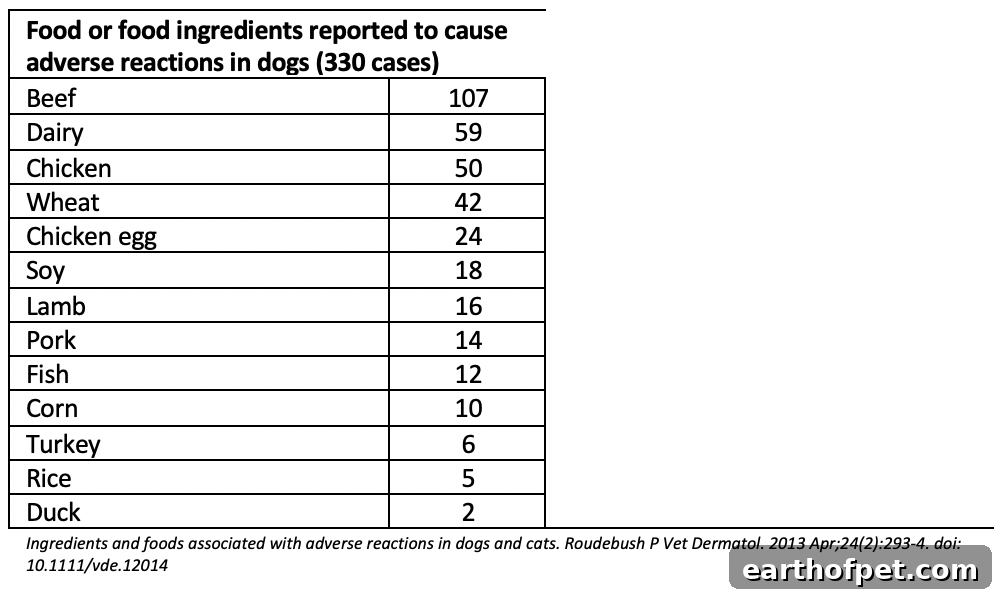
An adverse food reaction is any abnormal clinical response after eating a food or ingredient. Reactions may be triggered by single chemicals, whole ingredients, or combinations present only in commercial diets. Symptoms typically involve skin irritation or digestive upset and can appear after small exposures or only after repeated feeding. True food allergies in dogs are uncommon but do occur. The most frequently diagnosed allergens tend to be proteins such as beef or chicken, though some grains like wheat, corn, and rice have also been implicated. For dogs with confirmed grain sensitivities, a grain-free diet can be a sensible option.
Overall Carbohydrate Levels
Grain-free does not automatically mean low-carbohydrate. Some grain-free recipes may have similar or even higher carbohydrate levels than grain-inclusive recipes, while others are formulated with reduced carbs and higher animal protein. Many pet owners seek lower-carbohydrate, higher-protein diets to support lean muscle, improve coat and skin condition, and appeal to picky eaters.
Conversely, diets that include grains can be ideal for dogs that need a less rich formula. Higher carbohydrate, lower protein recipes can be easier on sensitive stomachs while still delivering complete and balanced nutrition when made from high-quality ingredients.
Safety and Wellbeing
When feeding any commercial pet food, trust in the manufacturer and the product’s nutritional completeness is critical because most dogs eat the same diet daily. Concerns have been raised about links between some grain-free diets and certain heart conditions in dogs. To choose a safe, well-formulated food, consider these practical checks:
- Check the ingredient list and guaranteed analysis for appropriate nutrient levels and sources.
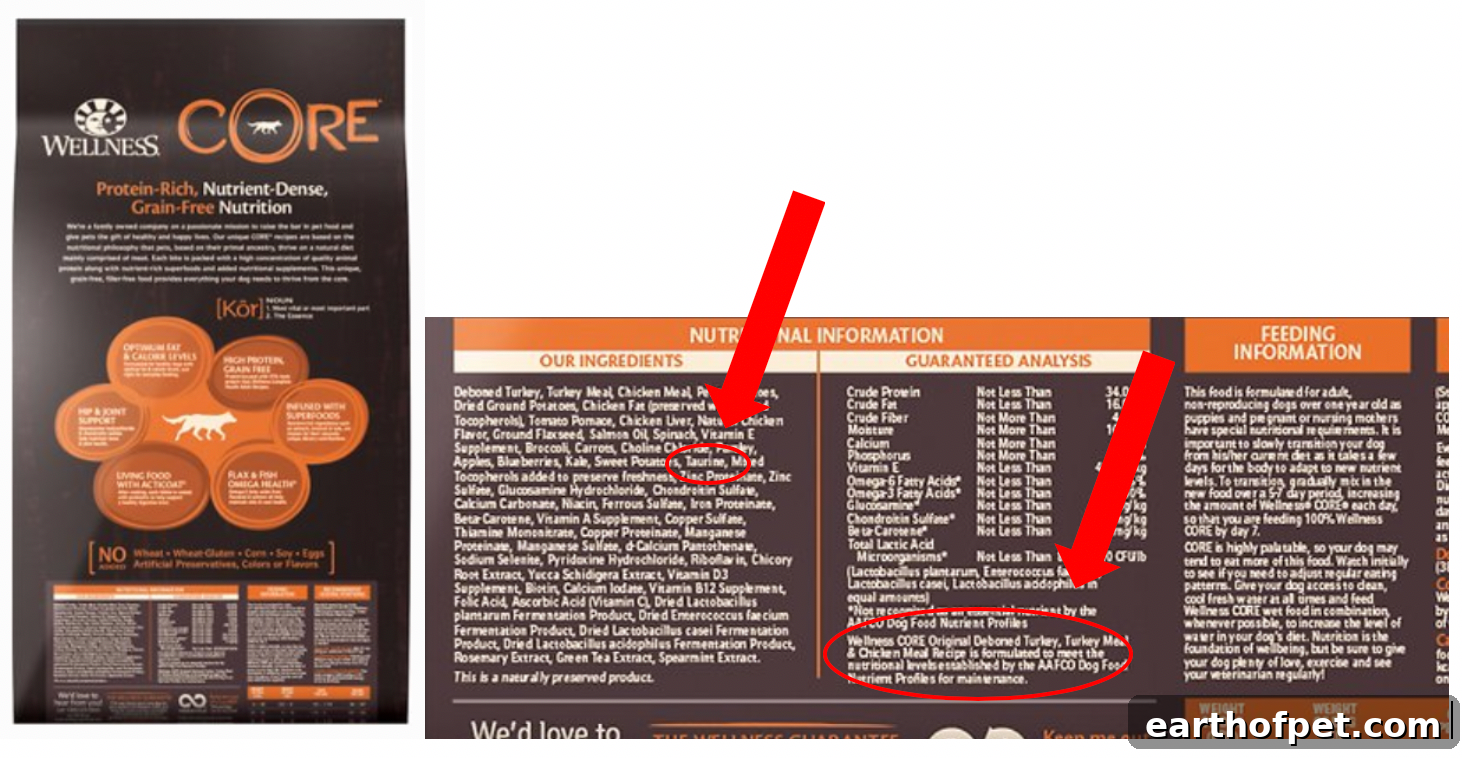
- Confirm whether taurine is present or whether the manufacturer conducts testing for taurine status, as taurine is important for heart health in some situations.
- Ask the manufacturer about their quality controls, ingredient sourcing, and manufacturing practices.
- Find out whether the recipe has been validated through feeding trials or meets recognized regulatory nutrient profiles.
- Look for diets that meet the Association of American Feed Control Officials (AAFCO) nutrient profiles or have undergone AAFCO feeding trials.
So, Is Grain-Free Food Good For Your Dog?
The right choice depends on your dog’s individual health, preferences, and any diagnosed sensitivities. Rather than focusing solely on whether a diet contains grains, prioritize a complete and balanced formula from a reputable manufacturer. A quality diet should provide the recommended levels of protein, fat, vitamins, and minerals in appropriate ratios for your dog’s life stage and activity level.
When evaluating brands and recipes, consider ingredient quality, transparency from the manufacturer, evidence from feeding trials or scientific research, and whether the diet meets AAFCO guidelines. If your dog has specific health issues—food allergies, digestive sensitivity, or cardiac concerns—work with your veterinarian to choose a diet tailored to those needs. Monitoring your pet’s energy, weight, skin and coat condition, stool quality, and overall vitality will help you judge whether a particular diet is working well.

In summary: grain-free diets can be appropriate for dogs with specific ingredient sensitivities or for owners seeking lower-carbohydrate, higher-protein options, but they are not inherently superior or necessary for all dogs. Focus on ingredient quality, nutritional balance, and manufacturer transparency, and consult your veterinarian when making significant diet changes.