Should I Let My Dog Eat Grass?
Dog owners often wonder, should I let my dog eat grass? While the question seems simple, the answer is usually more nuanced. Dogs graze on grass for many reasons: to ease an upset stomach and sometimes induce vomiting, to add extra fiber to their diet, because of a nutritional shortfall, out of boredom, as an instinctive behavior, in response to anxiety, or simply because they like the taste and texture. Understanding the possible motivations can help you decide when grass eating is harmless and when it might warrant a closer look from your veterinarian.
How common is it?
Eating grass is very common. In a 2008 study of over 1,500 dog owners, about 68% reported their dogs ate grass or other plants on a daily or weekly basis. The researchers examined the dogs’ behavior before and after plant consumption to find patterns. Only 8% of owners said their dogs seemed ill before eating plants, and 22% reported their dogs vomited afterward. The study also found no clear link between the type of diet (kibble, raw, wet, or home-cooked) and the likelihood of a dog eating plants. These findings suggest grass eating is normal for most dogs, though it does not rule out medical or environmental causes in individual cases.
Should you let your dog eat grass?
Most veterinarians view grass eating as a normal canine behavior. If your dog is otherwise healthy, receiving routine veterinary care, and up to date on parasite prevention, occasional grass nibbling is generally safe and can provide a small amount of dietary fiber. However, there are important precautions to keep in mind.
First, avoid allowing your dog to eat grass that has been treated with herbicides, pesticides, or chemical fertilizers. These substances can be toxic if ingested, so keep your dog away from recently treated lawns until it is safe. Second, be cautious in public spaces or dog parks where grass may be contaminated with feces from other animals. That increases the risk of exposure to intestinal parasites like roundworms and hookworms, which makes keeping parasite prevention current especially important.
If your dog’s grass eating is frequent, excessive, or followed by vomiting or other signs of illness—lethargy, loss of appetite, diarrhea, or behavioral changes—consult your veterinarian. These symptoms could signal an underlying medical issue that needs diagnosis and treatment. Otherwise, small amounts of grass eaten occasionally are typically not harmful.
How can you stop the grass grazing?
If you want to curb your dog’s grass eating, behavior modification is usually the most effective approach. Try these practical strategies:
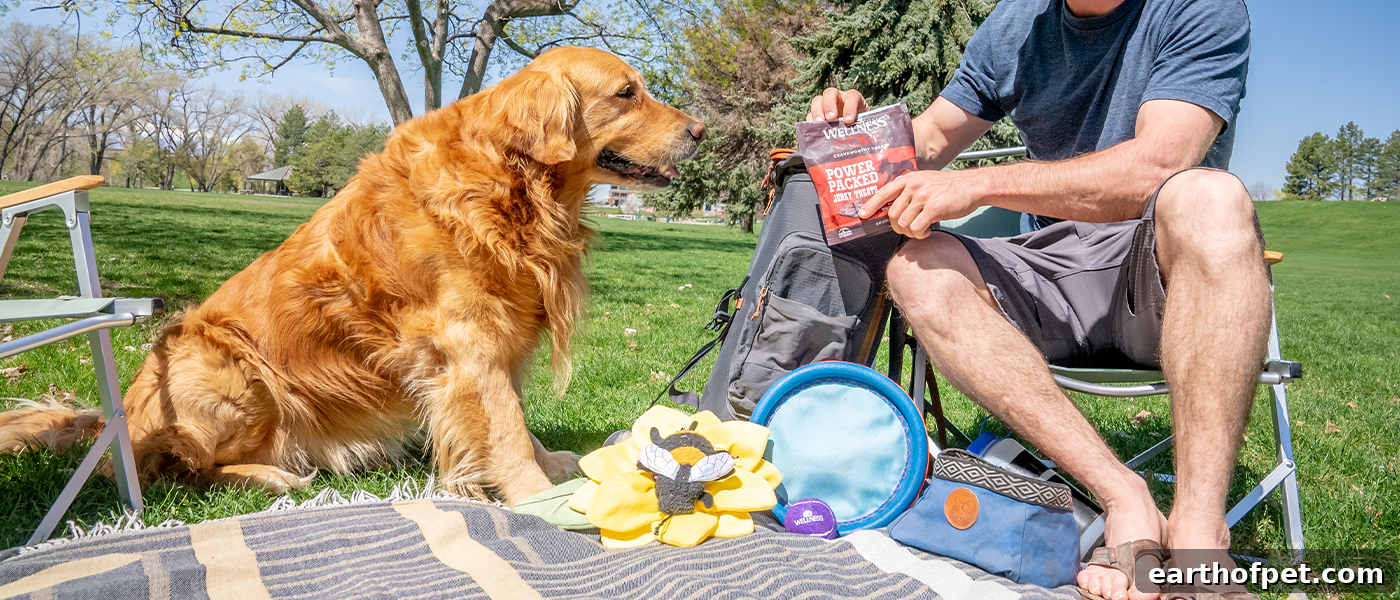
- Redirect attention: When you see your dog start to graze, offer a more appealing distraction—an engaging toy, a chew treat, a short game of fetch, or praise and attention. A positive distraction often breaks the habit.
- Address anxiety: If grass eating appears linked to stress or anxiety, consult your veterinarian. They can help identify triggers and recommend behavior training, environmental changes, or medical options to reduce anxiety-driven grazing.
- Reduce boredom: Increase daily physical exercise and mental stimulation. More walks, playtime, puzzle feeders, and interactive toys can reduce boredom-related grass eating.
- Provide healthy fiber alternatives: Offer safe, fiber-rich treats such as small amounts of pumpkin (plain, cooked), green beans, or other vet-approved vegetables to satisfy a fiber craving. Keep these treats to no more than 10% of daily caloric intake and introduce new foods gradually.
- Supervise outdoor time: Watch your dog closely in the yard and intervene when they begin grazing. Training a reliable “leave it” cue can help you manage the behavior consistently.
Whatever the cause, it’s wise to discuss any concerns about grass eating with your veterinarian before attempting to correct the behavior. A professional can rule out medical causes, help you create a safe plan tailored to your dog, and recommend behavioral or dietary changes that are appropriate for your pet’s specific needs.
- Characterization of plant eating in dogs, Suedaa, Hart & Cliff, 2008, Applied Animal Behaviour Science.