Patient Condition and History
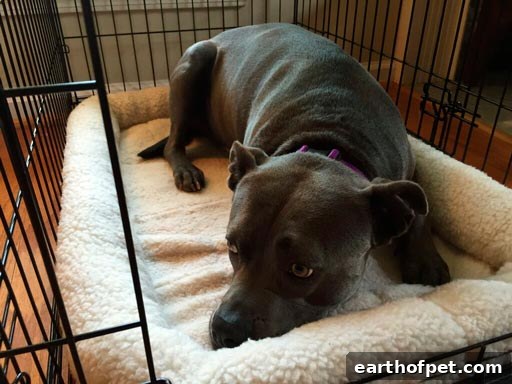
Jimmy is a 3-year-old neutered male American Pit Bull who was diagnosed with a heartworm infection (Dirofilaria immitis). Heartworm disease is a serious, potentially fatal condition in which parasites live in the heart, lungs and adjacent blood vessels. These parasites can lead to severe lung disease, heart failure and damage to other organs.
Treatment for heartworm typically follows guidelines set by veterinary authorities and often includes injections designed to kill the adult worms, along with supportive medications to improve outcomes and reduce side effects. Treatment protocols span weeks to months and require strict limits on the dog’s activity during recovery. Minimizing exercise and enforcing crate rest are essential to reduce the risk of life-threatening complications caused by fragments of dead worms traveling through the vascular system.
Although veterinary teams emphasize the importance of strict rest, keeping a dog calm and inactive for an extended period is challenging for most owners. Traditional client education tools have limited success at ensuring full compliance, and veterinarians frequently lack reliable methods to verify how much activity a patient undertakes at home.
Treatment and Description
Jimmy received standard heartworm treatment, including two melarsomine injections administered 24 hours apart, along with additional medications. After the injections he was discharged with instructions to remain on restricted activity while being monitored for complications.
To help enforce and verify activity restriction, a PetPace smart collar was placed on Jimmy. The collar continuously measured behavioral and physiological parameters and supplied minute-by-minute activity data, plus regular summaries, averages and trend analyses. The data allowed the veterinary team to track Jimmy’s movement and detect early signs of deterioration that might indicate complications.
The veterinary team set an approved activity threshold in the PetPace system. Any time Jimmy’s movement exceeded that pre-defined level, the system generated an alert and notified his owner. Clinic staff also had continuous access to the data and alert history so they could intervene or advise the owner when needed.
After the alert feature was activated and the owner responded to notifications, Jimmy’s daily activity dropped noticeably. Prior to alerts, Jimmy averaged 7.4% of each day spent active. After alerts were enabled and the owner adjusted Jimmy’s routine, average activity fell to 3.8% — a reduction of over 51%.
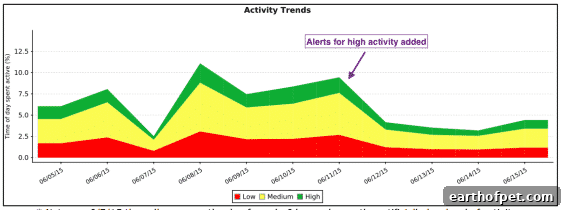
* NOTE: ON 6/7/15 THE COLLAR WAS ON THE DOG FOR ONLY 6 HOURS, HENCE THE ARTIFICIALLY LOW LEVEL OF ACTIVITY.
Alongside activity, the collar recorded physiological measures such as pulse rate, respiratory rate and heart rate variability (VVTI). These values remained stable and within normal ranges during the monitoring period, consistent with a positive clinical response to treatment and no immediate signs of complications.
Discussion
Heartworm disease remains a serious health issue for dogs. Prevention with approved parasiticides is strongly recommended, but many dogs still require treatment. A vital element of successful heartworm therapy is strict activity restriction to reduce the risk of complications after adulticide injections.
Jimmy’s case illustrates how continuous monitoring can help bridge the gap between clinic instructions and real-world owner behavior. Physiological trends monitored by the collar showed Jimmy was clinically stable, yet his behavioral activity initially remained higher than recommended. Once alerts were used to inform the owner when activity exceeded the safe threshold, compliance improved substantially. This combination of objective monitoring, timely alerts and active veterinary oversight helped enforce the necessary rest period.
According to Dr. Asaf Dagan, PetPace’s Chief Veterinarian, wearable monitoring devices can deliver clinically relevant data, engage owners in a meaningful way and improve adherence to post-discharge instructions. In cases like Jimmy’s, a smart collar provided a practical tool to reduce the risk of a potentially fatal outcome by ensuring reduced activity during a critical recovery window. The same approach is applicable to other conditions where activity restriction is important, such as spinal injuries, orthopedic recovery and certain cardiac conditions.
Conclusions
Jimmy’s recovery demonstrates the potential value of a smart-sensing collar for post-treatment monitoring. The alerting feature, combined with continuous veterinary access to data and engaged owners, can improve compliance with rest orders and support better clinical outcomes. By giving clinicians a reliable method to monitor at-home behavior, these devices enable more effective follow-up care and collaborative management of patients after discharge.
“Until now, veterinarians had no effective way of knowing if the patient is truly resting at home as we instructed,” said Dr. Dick Hay, Jimmy’s veterinarian and a Diplomate of the American Board of Veterinary Practitioners. “The PetPace technology allows us, for the first time, to work together with the owners to achieve the common goal.”
“We’ve loved being able to monitor Jimmy’s activity levels using the Pet Pace collar! The alerts that were generated helped us modify our approach to keeping him calm and were a great tool to help us while he recovered. I especially appreciate being able to view the data online – even from my phone!”
— Matthew Sandness, Jimmy’s owner. “We have enjoyed using the PetPace system and would recommend it to friends who have a similar need to monitor their pets,” he added.