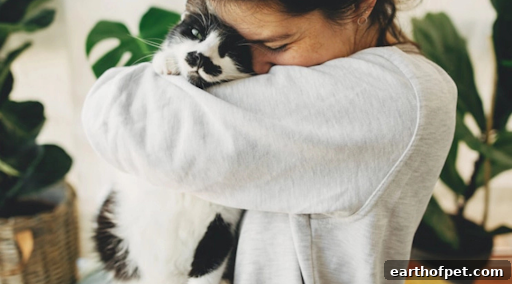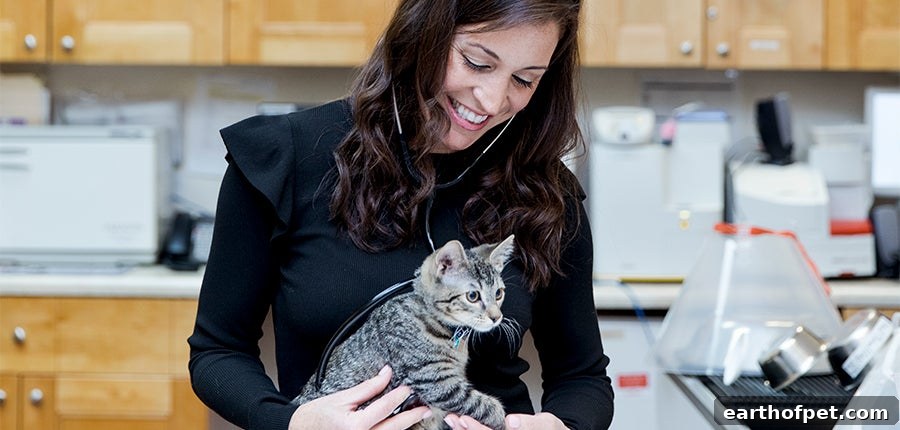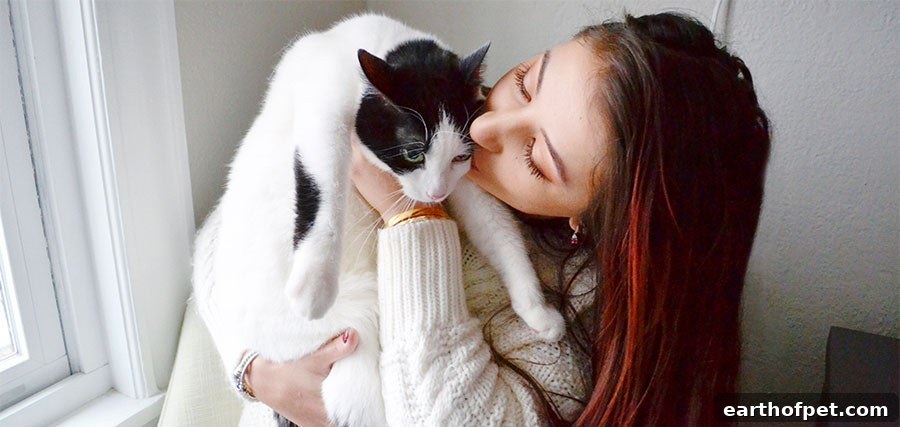
Pets are more attuned to our lives than we often realize. They pick up on our moods, notice when we’re unwell, and offer comfort during heartbreaks or hard days. Some animals even seem to sense danger before it happens. When the world slows and we are asked to stay at home, the uncertainty can be overwhelming. In those moments, our pets can become one of the clearest sources of steadiness and comfort.
Turn your attention away from anxiety and toward the calm presence at your feet. The companionship, routine, and unconditional affection pets provide offers real and measurable benefits for mental and emotional wellbeing.
It’s Science!
The stress and unpredictability of lockdowns and quarantines—such as those experienced during the COVID-19 pandemic—can exacerbate anxiety and depression. This is precisely the time when the human-animal bond shows its strengths. Scientific research has demonstrated that close relationships with companion animals can reduce anxiety, depression, and loneliness and promote overall wellness. Interaction with pets has been linked to lower blood pressure and heart rate and to reduced levels of the stress hormone cortisol, all of which contribute to calmer moods and better stress management.
Besides the immediate calming effects, pets also create structure. Caring for an animal establishes daily rituals—feeding, exercise, grooming, play—that give life predictability and purpose. Taking responsibility for another living being taps into natural caregiving instincts and can elevate self-worth and a sense of mastery. For many people, that steady routine provides reassuring normalcy during chaotic times.
Beyond these physiological and psychological benefits, the presence of a pet can provide an enduring sense of safety and emotional support. Animals are nonjudgmental companions: they accept us as we are and offer steady, unconditional affection. Pet-assisted therapy programs and increasing use of therapy animals in schools, hospitals, and public settings reflect that many people feel safer and more confident when an animal is present, enabling them to better navigate social situations and recover emotional balance.
Large surveys and reports reflect these everyday impacts. For example, a survey from the Human-Animal Bond Research Institute (HABRI) found that three-quarters of pet owners reported improved mental health simply from having animals in the home. In related research, 80% of pet owners said they feel less lonely because of their pet, and 76% of non-pet owners agreed that interacting with animals can reduce the feeling of social isolation. These findings underscore how companion animals help lift mood, reduce loneliness, and maintain emotional resilience.
Our animal friends keep our spirits elevated by offering constant companionship and unconditional love, helping us stay connected even when physical contact with others is limited.
Finding Peace in a Time of Crisis
There are silver linings when routines slow down. More time at home lets many people reconnect with their pets in meaningful ways. Instead of greeting a pet briefly each evening, you can share meals, take longer walks, practice training, or simply curl up together. Those small moments of connection matter. They provide comfort, reinforce bonds, and create shared routines that feel stabilizing.
Even when you can’t leave the house much, pets encourage movement and intentional moments of joy. Dogs motivate daily walks that support physical health and mental clarity; cats invite quiet, mindful breaks that reduce stress; small animals can provide soothing tactile interactions. Pets can be reading partners, nap buddies, or friendly companions during remote work. When anxiety spikes, a short pause to pet, hold, or play with an animal can quickly lower tension and bring a sense of calm.
During stressful times, it’s also important to care for pets in ways that reinforce both their wellbeing and yours. Maintain consistent feeding and exercise schedules, provide safe spaces for rest, and include play and enrichment to keep their minds engaged. Gentle grooming and positive training sessions can strengthen your relationship while giving both of you a predictable, rewarding routine.
If you’re looking for simple ways to deepen the benefits of companionship:
- Establish regular walk or play times to anchor your day.
- Create short bonding rituals—morning cuddles, evening brushing, or a quiet spot where you both relax together.
- Use training sessions to stimulate your pet’s mind and build mutual trust.
- Introduce safe, healthy treats and enrichment toys to keep pets engaged indoors.
- Keep veterinary and care plans current; a healthy pet contributes to a less anxious household.
As you care for your pet, remember to accept the comfort they offer. A dog’s wag, a cat’s purr, or the simple presence of a companion animal can help steady emotions and restore perspective. For many households, pet ownership during times of crisis shifts from a daily convenience to a vital source of emotional support.
Finally, if you’re considering adopting or fostering, know that bringing a pet into your life is a meaningful commitment that can enrich both your life and theirs. Whether you already have a long-time companion or are spending increased hours with a newer friend, the human-animal bond remains a powerful, evidence-backed resource for managing stress, reducing loneliness, and finding peace amid uncertainty.