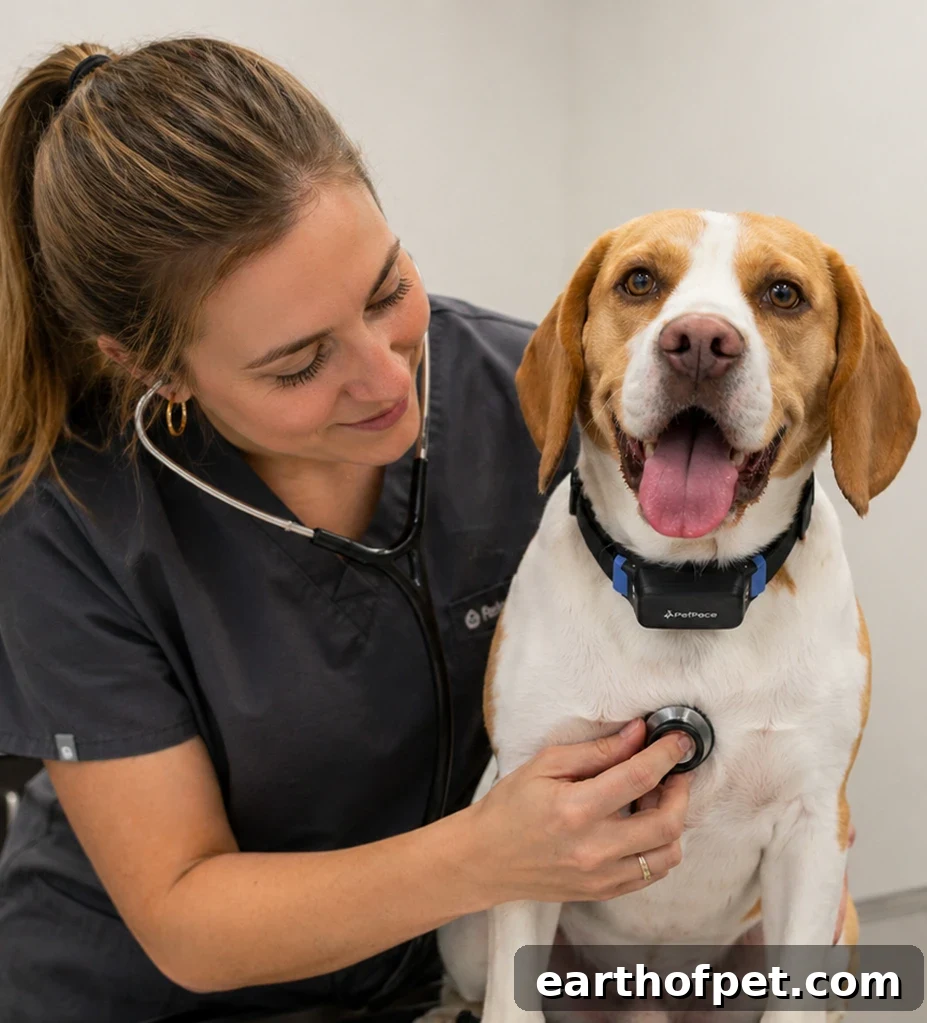
Teeth are one of the first things people notice when meeting someone, and the same is true when they meet our dogs. A bright, healthy smile helps dogs eat well, play comfortably, and show affection. Unfortunately, dental disease is common in dogs: an estimated 80% of dogs experience some form of dental disease during their lives, and senior dogs—especially those over 12 years old—are at greater risk than younger animals. Given how critical oral health is to overall wellbeing, dental care should be an essential part of your pet care routine.
Many devoted pet owners focus on food, exercise, and affection but unintentionally neglect oral hygiene. Regular veterinary dental checkups and at-home dental care are both crucial, yet most dogs do not receive consistent dental attention. This article explains why dog gum and tooth health matters, what healthy and unhealthy mouths look like, common warning signs, and practical steps you can take to protect your dog’s oral health.
Why Dog Gum and Teeth Health Matters
Dental disease can cause more than just bad breath. Problems that begin in the mouth often affect the rest of the body: painful teeth and infected gums can make eating difficult, leading to poor nutrition and weight loss. If left untreated, oral infections can spread to organs such as the heart and kidneys, and advanced dental disease can cause permanent jaw damage. Routine prevention and early treatment reduce pain, limit infection risk, and help your dog maintain a good quality of life.
In addition to preventing pain, good dental care preserves your dog’s ability to chew and enjoy food, supports strong immune function, and reduces the chance of needing complex medical or surgical treatment later. Despite these benefits, only a small percentage of pet owners brush their dog’s teeth regularly. Making daily or weekly dental hygiene part of your pet care routine is one of the best ways to protect long-term health.
What Healthy Gums and Teeth Look Like
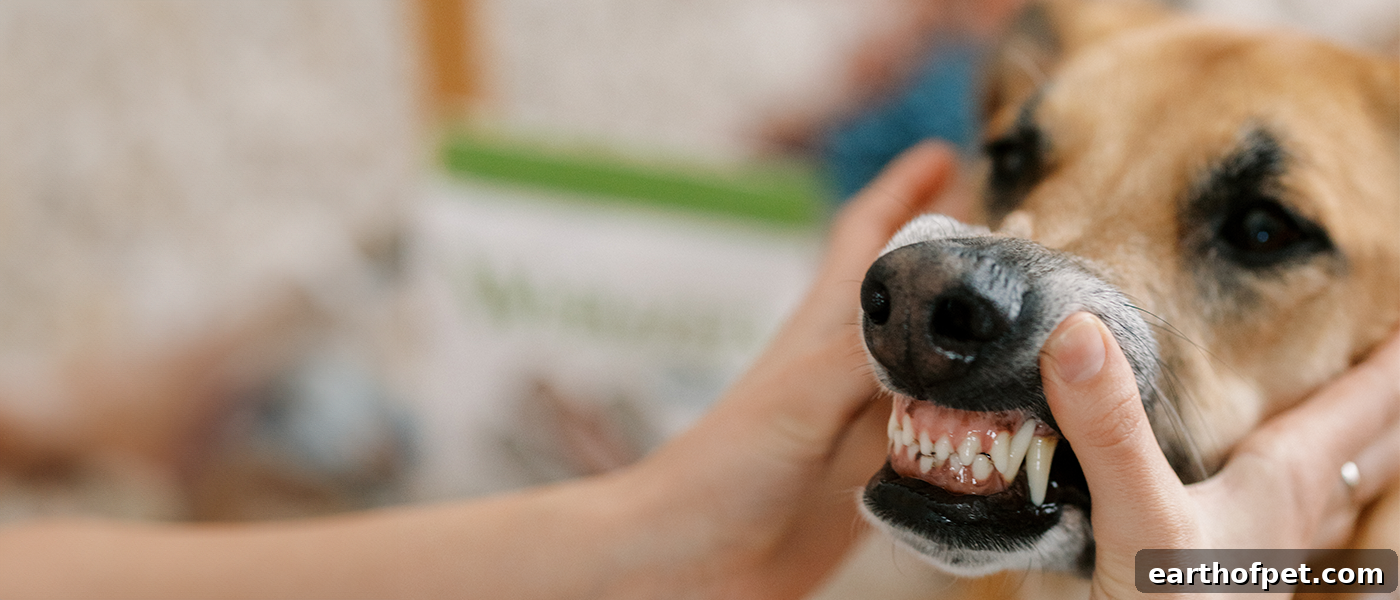
When checking your dog’s mouth, focus on two main areas: the gums and the teeth. Signs of a healthy mouth include:
- Gum color: Healthy gums are typically a bubble-gum pink and free from redness or inflammation. Some dogs have natural dark pigmentation or spots in their mouths; these are not problematic as long as the surrounding tissue is smooth and pink.
- Gum texture: Healthy gums are smooth and firm, hugging each tooth closely without swelling, bumps, or rough patches. Gums should feel moist—not sticky or overly dry—when touched gently.
- Teeth appearance: Healthy teeth are generally white or off-white with minimal plaque or tartar buildup. Teeth should be intact, without obvious cracks, chips, or areas of breakage.
If your dog’s gums look pink and smooth and their teeth are clean and solid, they’re likely in good oral health. Regular checks at home and during veterinary visits help you catch small problems before they worsen.
Signs of Poor Dental Health
Several visible and behavioral signs can indicate dental disease. If you notice any of the following, schedule a veterinary appointment for an evaluation and treatment plan:
- Persistent bad breath that goes beyond normal puppy breath
- Red, inflamed, white, or tender gums, especially around the base of the teeth
- Discoloration or darkening along the gum line
- Visible plaque or hardened tartar on teeth
- Abnormal growths or lumps on the gums
- Reduced appetite, difficulty chewing, dropping food, or favoring one side of the mouth
- Gum recession exposing tooth roots
- Bleeding from the gums
These signs can point to conditions such as gingivitis, periodontal disease, or other oral infections. Early intervention often includes professional cleaning under anesthesia to remove plaque and tartar and reduce inflammation. Your veterinarian may recommend ultrasonic scaling and polishing as part of that initial treatment to restore oral health.
After professional care, maintaining oral health at home is essential. Regular tooth brushing using a pet-safe toothpaste, appropriate dental chews, and diets formulated to support dental health can reduce plaque buildup and slow progression of disease. Look for foods and treats designed to help scrape plaque and promote chewing that supports gum health.
Preventive care also includes routine dental assessments during wellness visits. Your veterinarian can advise on frequency of professional cleanings, demonstrate safe tooth-brushing techniques, and recommend products tailored to your dog’s breed, age, and medical history. By establishing a consistent dental routine—at-home brushing, supportive diet and treats, and scheduled veterinary checks—you can help your dog avoid pain and infections and enjoy a longer, healthier life.
Start regular dental care early and remain consistent. With simple, practical steps, you’ll protect your dog’s teeth and gums and support their overall wellbeing for years to come.