If you’ve visited an animal shelter, you already understand why adopting a shelter pet can be one of the most rewarding choices you’ll ever make. Shelter animals often live in close quarters with caretakers and each other, waiting for someone to choose them. Many arrive scared, confused, or simply alone—and all they really want is a warm, safe place to belong and a person who will love them without abandoning them. Shelter pets are frequently grateful, protective, affectionate, and sometimes even find fame online; a recent survey of popular social media cats showed that most were rescues. Still, celebrity status isn’t the reason to adopt—here are the real, practical, and emotional reasons shelter pets make wonderful companions.
1. Shelter Pets are Grateful

Many shelter animals have experienced loss, abandonment, or extended time without consistent care. When someone opens their home and their heart, these animals often respond with unmistakable gratitude. That gratitude shows up as loyalty, affectionate behavior, and eagerness to bond. Adopting a pet from a shelter means welcoming an animal who will often reward your kindness with enduring companionship and trust.
2. Shelter Pets Are Often Ready for Home Life
Shelter pets frequently come to you with basic behaviors already established. Many cats know how to use a litter box, and many dogs understand basic house rules or have begun house-training. Shelter staff and volunteers work to socialize animals and teach them routine bathroom and feeding habits, which can shorten the adjustment period in your home. While every animal is unique and some will need additional training, you may find that adopting a shelter pet means fewer early challenges than bringing home a very young puppy or kitten.
3. Shelter Pets Are More Affordable
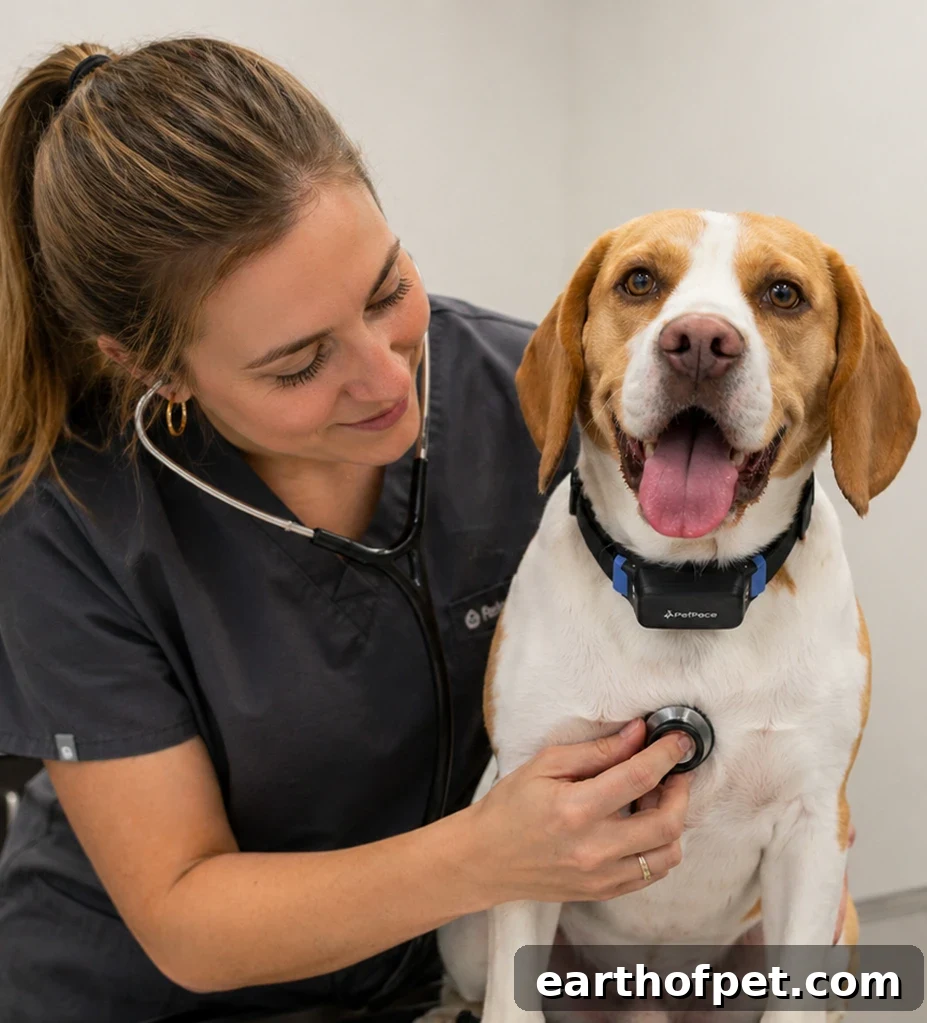
Adoption fees typically cover important initial veterinary care: spay or neuter surgery, basic vaccinations (often including rabies where required), and a general health check. These services can be costly when arranged privately, so adopting from a shelter often reduces your up-front expenses. You should still schedule a follow-up visit with your veterinarian to establish a continuing health plan, update vaccinations if needed, and discuss diet and preventive care, but the initial investment is usually lower than acquiring a pet from other sources.
4. Adopting from a Shelter Saves Lives
When you adopt a shelter animal, you create space for another animal in need. Shelters and rescue organizations operate with limited capacity; every adoption allows them to bring in another homeless pet, rescue an injured animal, or help an owner in crisis avoid surrendering their companion. In this way, adoption has a multiplying benefit: you gain a loving friend and also contribute to the broader welfare of animals in your community.
5. Shelter Pets Improve Your Life
Bringing a shelter pet into your home is not only an act of compassion—it also enhances your daily life. Pets offer companionship, routine, and emotional support. From long walks and playful afternoons to quiet moments on the couch, adopted animals become family members who brighten ordinary days. Many adopters report a deep sense of satisfaction and pride in giving a previously homeless animal a stable, loving environment.
How to Prepare for Adoption
Before bringing a shelter pet home, take a few practical steps to ensure a smooth transition:
– Visit the shelter to spend time with potential matches and learn about each animal’s history, temperament, and medical status.
– Ask for veterinary records, any behavior assessments, and whether the animal is microchipped or has been spayed/neutered.
– Prepare a quiet, comfortable space at home with a bed, food and water bowls, toys, and a litter box for cats or supplies for housetraining dogs.
– Plan a veterinary check-up soon after adoption to establish preventive care and discuss diet, parasite control, and any needed follow-up care.
– Be patient and consistent: many rescue animals need days or weeks to settle, and positive reinforcement helps them adapt more quickly.
Simple Ways to Support Shelter Animals
If you’re not ready to adopt, there are still meaningful ways to help: volunteer at a local shelter, foster animals needing temporary homes, donate supplies, or spread awareness about adoption. These actions help shelters care for more animals and increase the chances that every pet will find a permanent home.
Finally, keep your new companion healthy by feeding a high-quality, nutritionally balanced diet appropriate for their age and health needs. Consult your veterinarian to choose the best food and portion sizes for your pet. With love, patience, and proper care, a shelter adoption can become one of the most rewarding relationships in your life—both for you and for the animal you rescue.