Smart collars and robot nannies are driving a closer bond between pets and people.
Originally Posted on: The Washington Post
By: Sydney Page
June 7, 2024 at 6:30 a.m.
When Sandeep Sadhu is occupied with work, a companion robot takes over playtime with his mini goldendoodle, Simba.
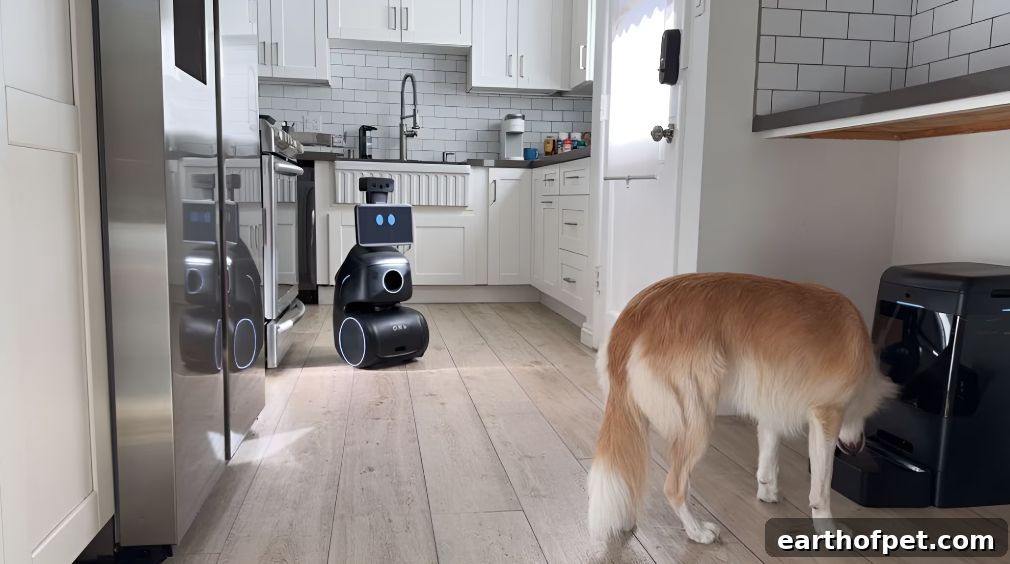
The robot, called ORo, throws balls, dispenses treats, guides training and keeps an eye on Simba — learning his habits and preferences with each interaction.
“He’s been a wonderful companion for Simba,” said Sadhu, who runs a construction business and lives in Shrewsbury, Massachusetts.
Devices like ORo are part of a wave of pet technologies powered by artificial intelligence that are reshaping how people care for animals. From pet cameras with treat dispensers to smart collars that monitor vital signs and even apps that claim to translate a cat’s meow, machine learning is enabling tools that monitor, entertain and help protect pets. According to the American Pet Products Association, Americans spent $147 billion on pets in 2023, up from roughly $90 billion in 2018, and analysts expect the global pet market to continue expanding in the years ahead.
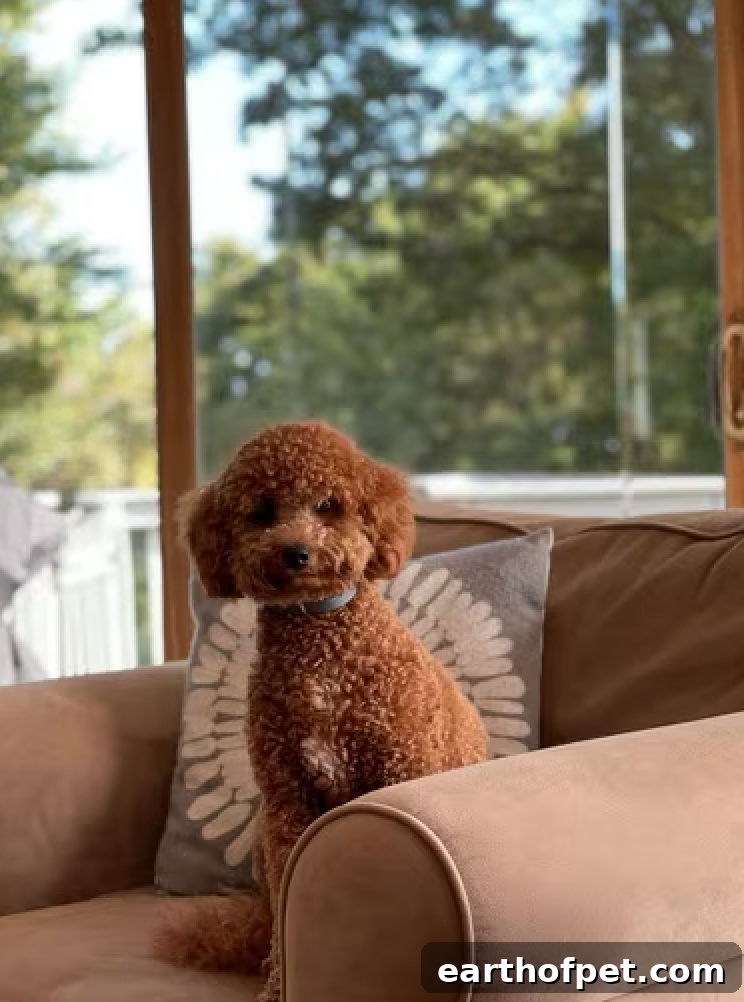
Machine learning — a branch of AI that helps systems improve from data — sits at the heart of many of these products. While these innovations offer promising ways to boost pet health, safety and quality of life, experts warn of risks: privacy and ethical concerns, and the possibility that technology could change how humans relate to their animals.
“It will be interesting to see whether AI complements our pet ownership or replaces parts of it,” said Lionel Robert, a robotics professor at the University of Michigan. “There’s considerable potential, and equally significant risk.”
Shifting to smart accessories
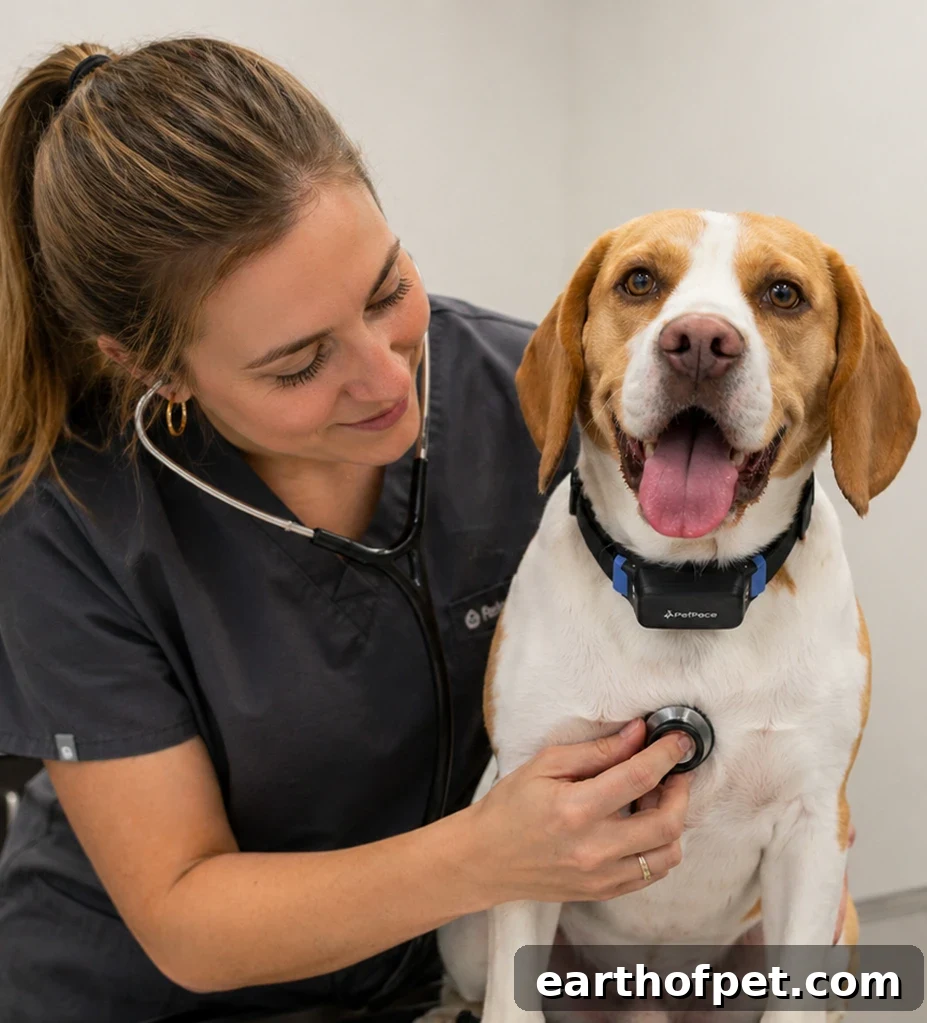
Melanie Rigden first heard about the PetPace smart collar on social media and decided to get one for her mini-Australian labradoodle, Ruby. The GPS-enabled collar tracks calories burned, sleep quality, stress (HRV), temperature, respiration, pulse and other biometrics to create a detailed profile of a pet’s health.
“I’m always thinking about Ruby’s health and doing whatever I can to be proactive as she ages,” said Rigden, 35, who lives in the San Francisco Bay Area. “I treat her like family.”
PetPace was founded in 2012 by Asaf Dagan, a veterinarian who saw too many cases where pets arrived at clinics with advanced, untreated illness. The collar’s sensors identify subtle changes in normal patterns; using machine learning, the device personalizes a biometric profile for each pet and alerts owners when metrics deviate from that baseline.
“We can detect the earliest signs that something is shifting away from health,” Dagan said, noting the company’s reported accuracy and that the collar is intended to supplement — not replace — veterinary care. Data stays within the system to prompt timely veterinary attention and potentially prevent emergency visits.
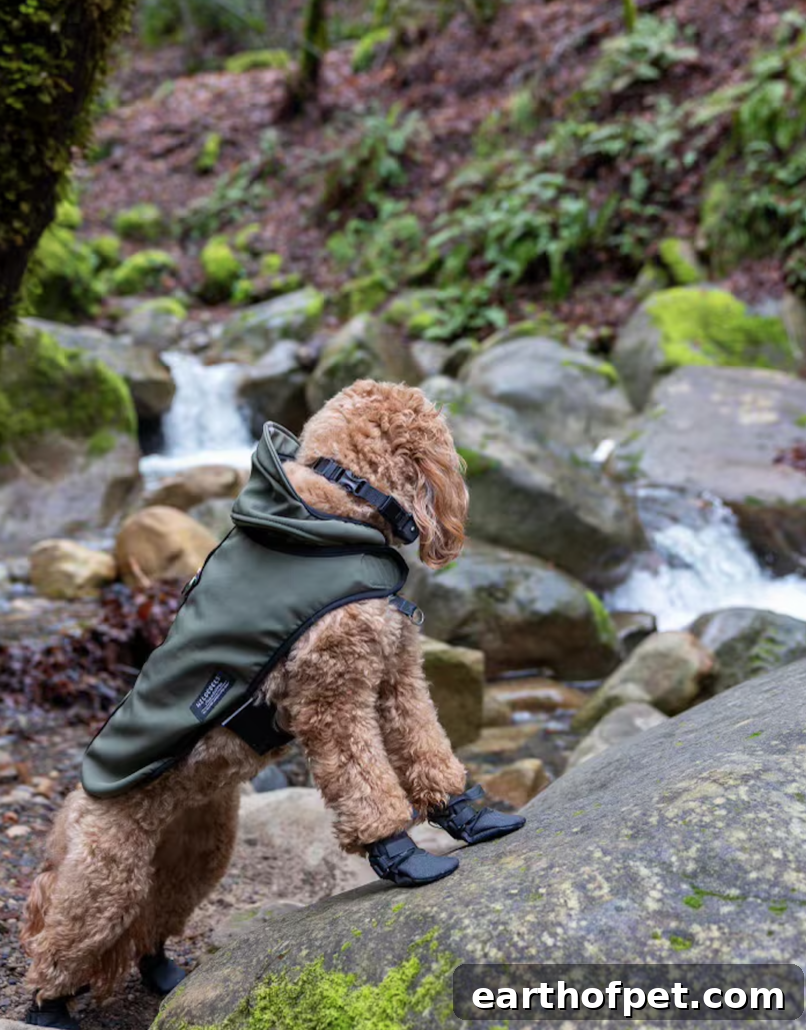
Other services apply AI to photos and short videos. TTcare, for example, analyzes images of a pet’s eyes, skin, teeth and joints and provides a quick assessment based on a database of millions of labeled images and input from veterinary partners. AI-for-Pet, the company behind TTcare, says the app helps owners spot potential problems and share findings with their veterinarian.
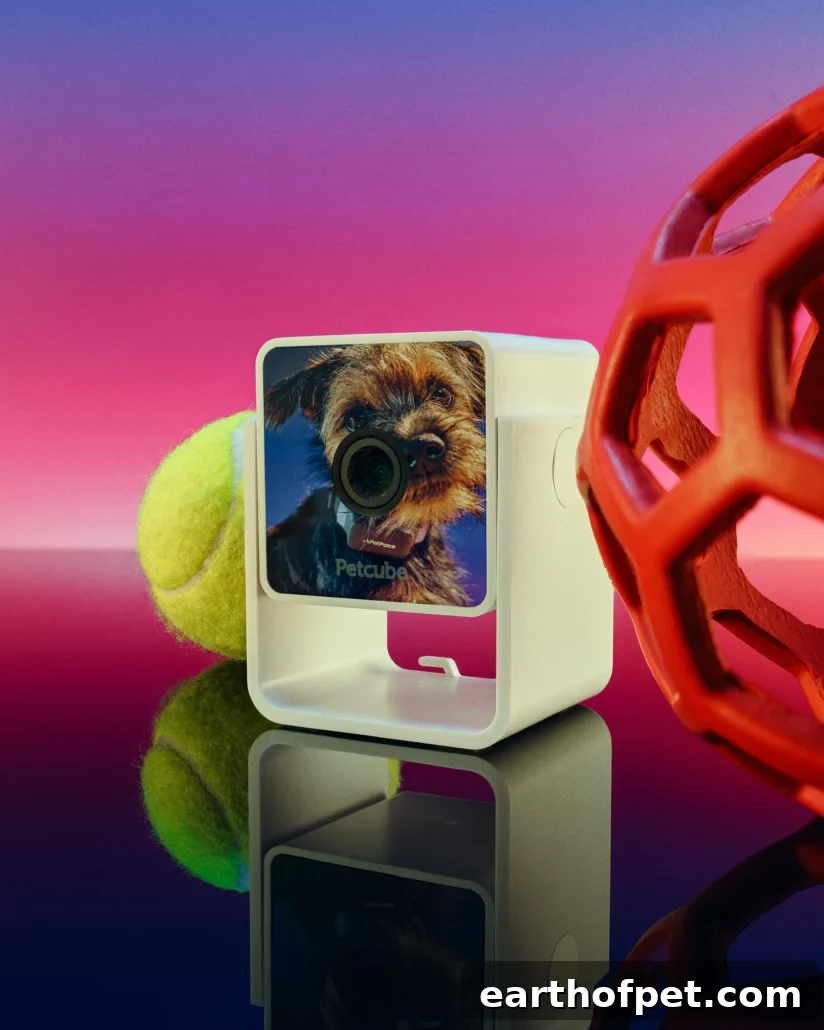
Pet owners are increasingly monitoring daily behavior as well as health. Apps now analyze canine stool for digestive issues, and robotic pet cameras that move around the home have grown popular as people return to workplaces. Companies such as Petcube sell cameras with two-way audio, motion alerts and models that dispense treats or play with lasers. New features aim to detect hazards like fire or broken glass and to provide a “daily diary” of a pet’s activities while the owner is away.
“AI can notice things humans might miss,” said Alex Neskin, Petcube’s co-founder and chief technology officer. “Our goal is to help owners understand their pets better.”
Machine learning and instant translation
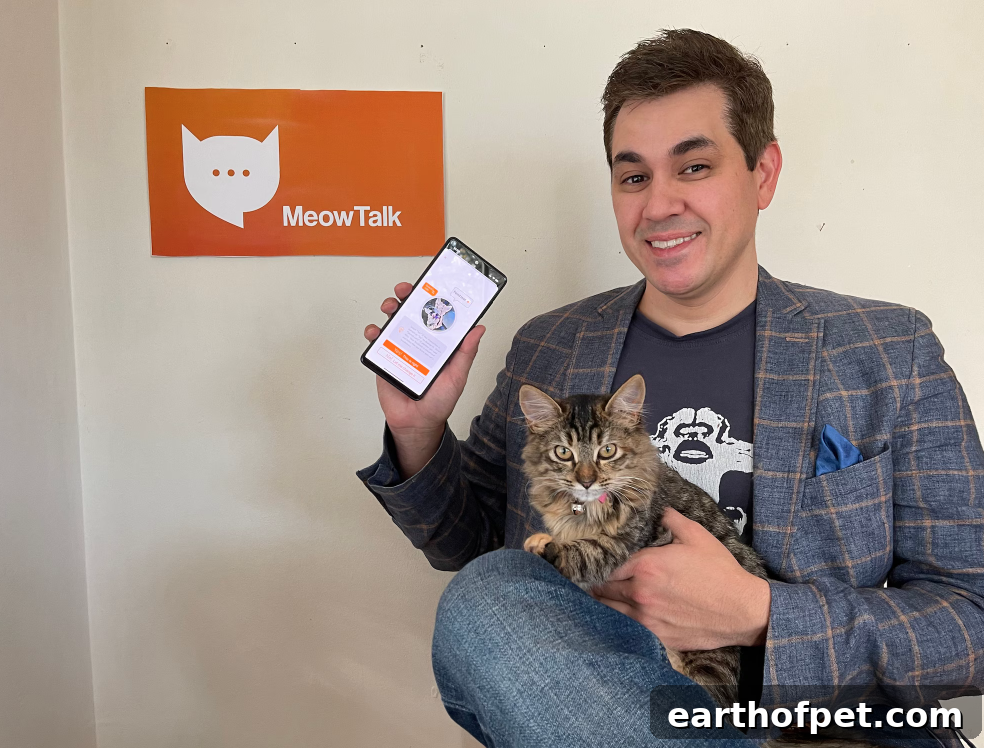
Beyond wearables and cameras, developers are building translation tools that attempt to interpret animal vocalizations. MeowTalk, an app trained on a large dataset of labeled cat sounds, claims to interpret common cat intents — hunger, pain, affection — and has been downloaded millions of times since its 2020 release.
“We want to give your cat a voice and strengthen the bond between cats and humans,” said Olivia Cole, MeowTalk’s director of marketing. She described an instance where the app flagged a distress sound from her cat, which led to a diagnosis and treatment.
Some scientists urge caution. Con Slobodchikoff, an animal behaviorist who spent decades decoding prairie-dog signals, questions how much human interpretation shapes these systems. He is working on Zoolingua, a dog-translation project that aims to base training on animals’ own vocal and behavioral signals rather than relying primarily on human-labeled meanings.
Slobodchikoff believes clearer understanding between dogs and people could reduce misunderstandings that sometimes lead to behavioral problems and pet surrenders. “Our hope is to foster more personal and compassionate relationships between people and their animals,” he said.
Robot dogsitters
Robotic pet caregivers — from indoor rolling nannies to automated dog-walking machines — provoke mixed reactions. Some critics argue a robot cannot replace the emotional bond and social needs satisfied by human interaction.
“If someone feels a robot must care for their pet, perhaps that person shouldn’t have one,” said Gregory Berns, a neuroscientist who has studied canine brain responses. He warns that substituting human contact with machines risks shortchanging animals that evolved alongside people.
Still, interest is strong: hundreds have preordered ORo units. Ogmen Robotics describes ORo as an all-in-one device that feeds, monitors, engages and records data about a dog’s physical and emotional state. It can navigate most rooms, play games, soothe anxious dogs with music and allow owners to video-chat remotely. The company says data is stored locally on the device and only shared with owner consent.
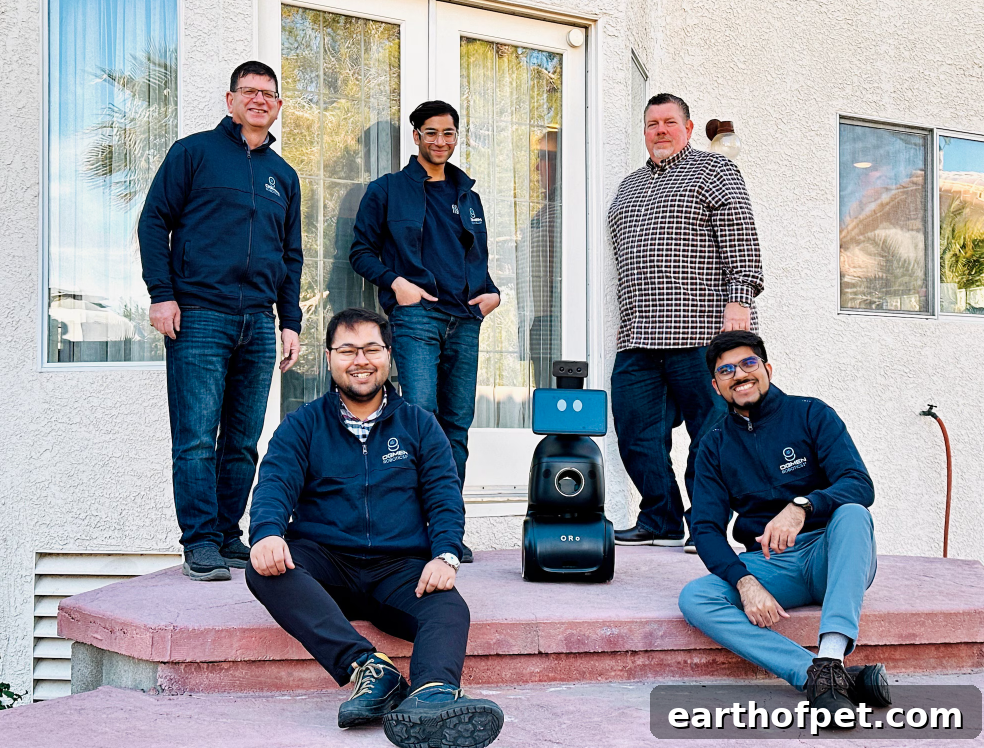
Early users report that the robot makes daily life easier and provides consistent companionship when owners are away. “The robot’s personality felt friendly without being intrusive,” said Raj Kaul, who tested ORo with his 8-year-old poodle, Brady. “That companionship mattered a lot to me.”
Others remain cautious. Philip Tedeschi, co-director of the Institute for Animal Sentience and Protection, acknowledges AI’s potential to benefit wildlife and pet health but worries that overreliance on technology could weaken the emotional give-and-take between people and animals.
“Technology can gather useful information, but if it reduces our social and emotional engagement, there’s a real cost,” Tedeschi said. “A dog would almost always prefer to play with its human rather than a machine. We must ensure these tools are used ethically, with animal welfare as the priority.”
As smart collars, AI diagnostics and robotic caregivers become more widespread, their value will depend on responsible design and use. When developers and owners prioritize pets’ well-being, these tools can enhance care and help people better understand their companions. But experts stress the importance of preserving the emotional connection that makes relationships with animals so meaningful.
About this story
Editing by Bronwen Latimer. Copy editing by Sue Doyle. Design and development by Audrey Valbuena. Design editing by Betty Chavarria. Photo editing by Haley Hamblin. Project development by Evan Bretos and Hope Corrigan. Project editing by Marian Chia-Ming Liu.
Originally Posted on: The Washington Post